Ah, August—the last month of summer. The weather is still amazing with its warm days and blue skies, essential ingredients for reading in the backyard hammock. I made good use of blogger suggestions and kept my library busy with hold requests. Unfortunately, the library has returned to only providing curbside service which means I no longer can browse the shelves and can request an unsatisfying six books at a time. *Sigh*
Some incredibly fun reads in August:
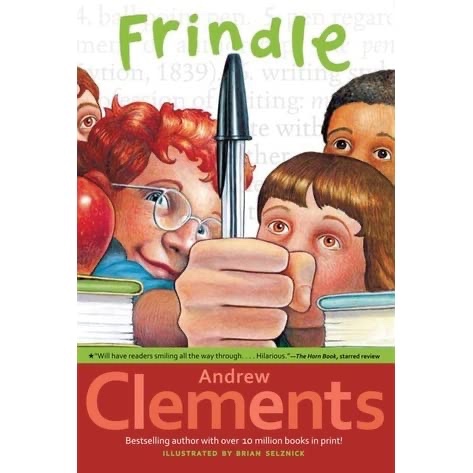
Frindle by Andrew Clements ⭐️ ⭐️ ⭐️ ⭐️ ⭐️
As a Word Nerd, I cheered how a boy created a new word as a prank only to have amazing consequences. A new favorite. Goodreads
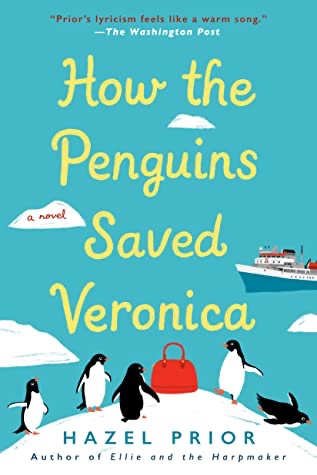
How Penguins Saved Veronica by Hazel Prior ⭐️ ⭐️ ⭐️ ⭐️ ⭐️
Having just watched March of the Penguins this was a natural to read. If you like cranky oldster novels, this is recommended. Goodreads
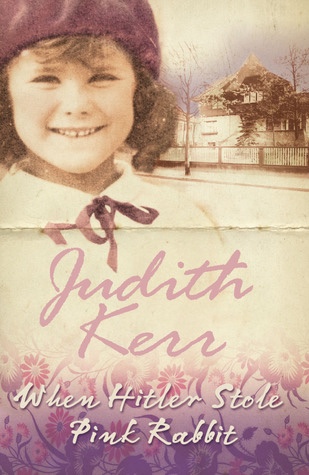
When Hitler Stole Pink Rabbit by Judith Kerr ⭐️ ⭐️ ⭐️ ⭐️ ⭐️
Semi-autobiographical, this is an engaging account of a Jewish girl and her family become refugees as they try to escape Hitler’s persecution. Goodreads
Coffee with Shakespeare by Stanley Wells ⭐️ ⭐️ ⭐️ ⭐️ ⭐️
As a Bardinator I am always up for another book providing more insights about Shakespeare. Stanley Wells create a mock interview and it is fun and informative. Goodreads
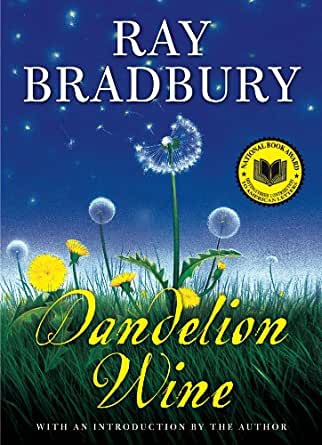
Dandelion Wine by Ray Bradbury ⭐️ ⭐️ ⭐️ ⭐️ ⭐️
A favorite read and reread. Bradbury supplies a truly spellbinding reminiscent semi-autobiographical tale of a summer before life became so dependent on technology. Goodreads
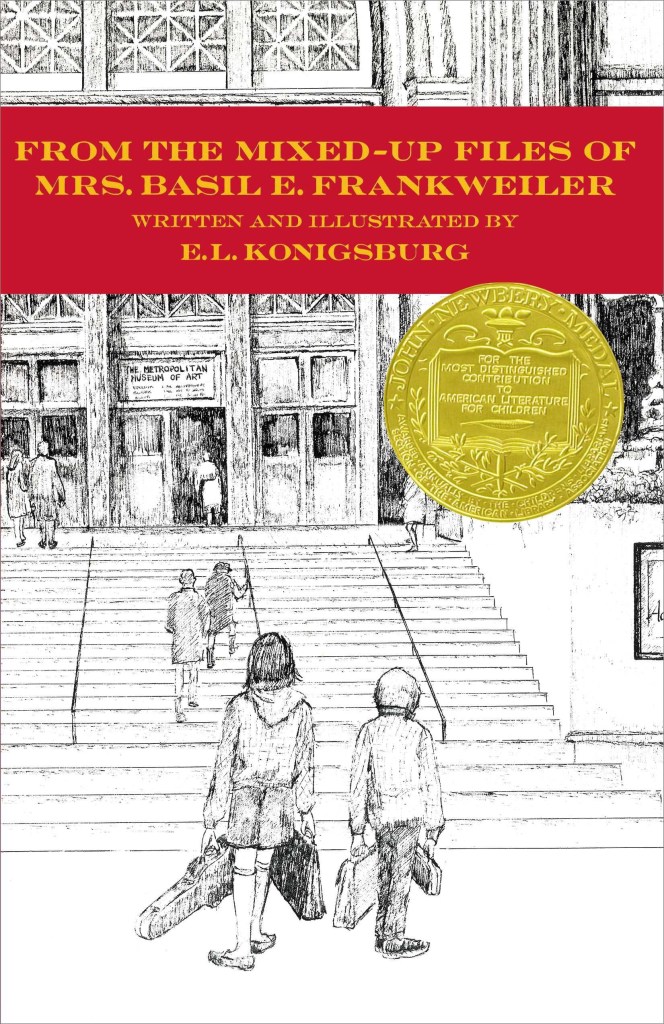
From the Mixed-Up Files of Mrs. Basil E. Frankweiler by E.L. Konigsburg ⭐️ ⭐️ ⭐️ ⭐️
I missed this one as a kid. Glad I caught up to it finally. Precocious children running away to a museum. Perfect. Goodreads
Dragonwyck by Ana Seton ⭐️ ⭐️ ⭐️ ⭐️
In the midst of my kid reads I found a classic adult gothic to read, much like those of Daphne Du Maurier. Goodreads
Onion John by Joseph Krumgold ⭐️ ⭐️ ⭐️ ⭐️
I thought I had read this as kid. As an adult I appreciate how it is a coming of age for young readers and as an adult I see it as a parent parable. Goodreads
The View from Saturday by E.L. Koningsburg ⭐️ ⭐️ ⭐️ ⭐️
Another unique story from Konigsburg. This one is about friendship and accepting differences and learning how to cope with difficulties. Goodreads
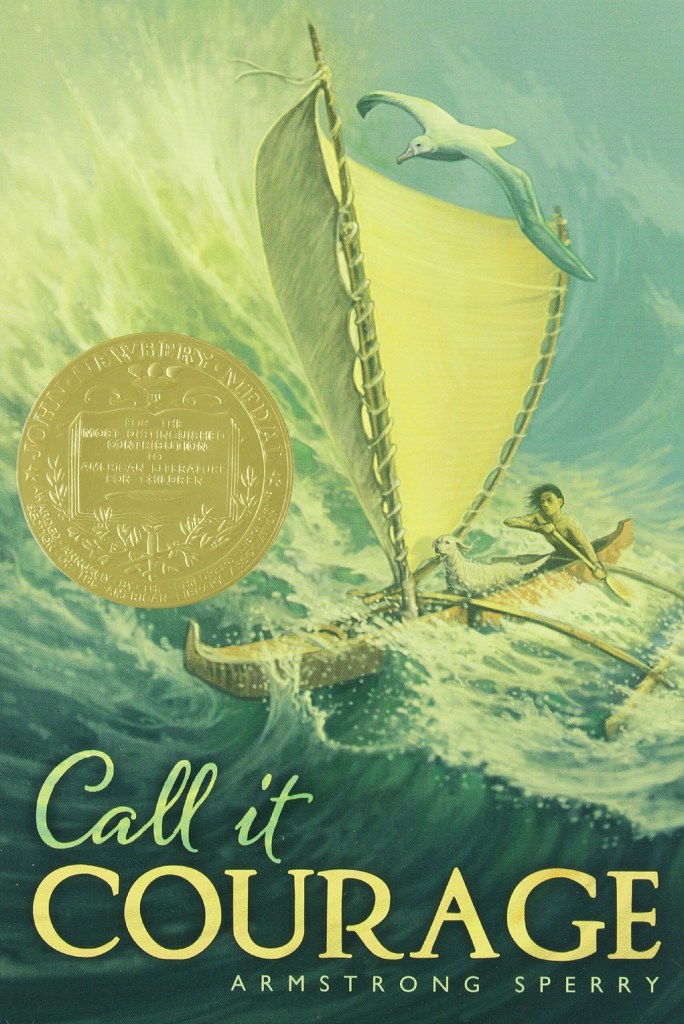
Call It Courage by Armstrong Sperry ⭐️ ⭐️ ⭐️ ⭐️⭐️
Published in 1940, it’s a fine classic adventure and its message about overcoming tough situations is quite appropriate for our current times Goodreads
Carry On, Mr Bowditch by Jean Lee Latham ⭐️ ⭐️ ⭐️ ⭐️⭐️
Another fine children’s classic, this is a biographical novel based on Nate Bowditch whose contributions to maritime navigation are still respected today. Goodreads
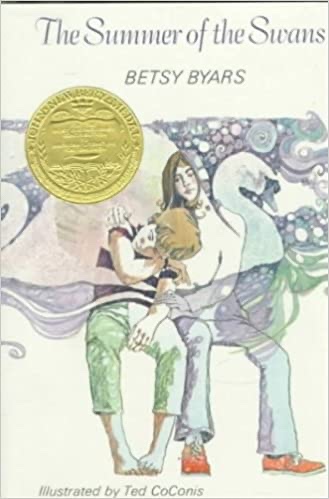
The Summer of the Swans by Betsy Bears ⭐️ ⭐️ ⭐️ ⭐️⭐️
The message of the book seems to be “Don’t sweat the small stuff” and how it’s caring for people is what really matters. Another timely story for today’s world. Goodreads
Because of Mr. Terupt by Rob Buyeau ⭐️ ⭐️ ⭐️ ⭐️⭐️
Surprised this isn’t a Newberry winner. For those who appreciated Wonder, this is another important book about how kindness makes a difference. Goodreads
I’d Rather Be Reading: The Delights and Dilemmasof the Reading Life by Anne Bogel⭐️ ⭐️ ⭐️ ⭐️⭐️
As a bonafide Book Booster I could not resist Bogel’s book of essays on being a Reader. Quite relatable. Goodreads
Yes, there were quite a few kid selections this month. I am trying to read all the Newbery winners, many I have read, but I have missed a few over the years. It’s never too late to enjoy a well-written kids’ book!
An update in statistics:
Hit my Goodreads goal of 101 books
I have read most of the Newberry winners
Read 55 books this summer (a number of them were children’s books, I grant that fact)
WONDERFUL UPDATE:
The library is opening its doors once again on September first!
Throughout the summer I appreciated the library’s curbside and inter-library loan service. I’m not sure what I would have done without the availability of books to checkout.
Traditionally the month of September signifies the end of summer vacation and the return to school. September 2020 is the year of trying to attempting to educate during a pandemic. This month’s list seems to reflect an opinion on that essential issue. It’s indeed peculiar how the words happened to line up in this theme.
barmecidal: giving only the illusion of plenty
operose: done with or involving much labor
elide: to suppress; omit; pass over
slubber: to perform hastily or carelessly
outre: passing the bounds of what is usual or considered proper; unconventional; bizarre
horripilation: a bristling of the hair on the skin from cold, fear; goose bumps
strepitous: boisterous; noisy
chutzpah: audacity; nerve
oppidan: urban
peripeteia: a sudden turn of events
mythomane: a person with a strong or irresistible propensity for fantasizing, lying, or exaggerating
fettle: state; condition
blench: to shrink; flinch
cacoethes: an irresistible urge; mania
moil: to work hard; drudge
muzz: to confuse (someone)
moue: a pouting grimace
fardel: a bundle; a burden
succedaneum: a substitute
lassitude: weariness of body or mind from strain, oppressive climate; lack of energy; listlessness
stonking: used to emphasize something remarkable, exciting, or very large (thanks to Fiction Fan’s Book Reviews inspiring use)
Today marks my 💯 milestone! Usually I read about 100 books for the year, but 2020 has influenced my reading habits immensely. Staying at home means I am either working in the yard, writing on the computer, or reading in my hammock. Guess which one garnered most of my dedication?
And the 💯th book is….
No surprise, eh?
Yes, without intentionally doing so, my 💯th book for this year is a book by a Reader writing about reading specifically “The Delights and Dilemmas of the Reading Life.”
Even though school starts for me on Monday, I shall continue reading. I have four more months until the end of the year. Hmm, how many more books can I squeeze in by the Goodreads tally deadline?
What are your guesses?
25?
37?
52?
State a guess in the comments below and we will see what happens by December!
As we progress through our sayings and expressions it becomes clear that some of these truly make sense and others are needing to be shelved forever in the vault of forgotten. For example:
Pleased as Punch: Punch and Judy shows were once upon a time (supposedly) funny little puppet theatres where Punch, the male protagonist, after a bit of schtick ends up whacking Judy, the female lead with a stick and felt quite pleased about the outcome. Umm, not politically, socially, ethically correct. Then again, some have problems with Bugs Bunny humor, but we don’t say Pleased as a Bunny, so we won’t go there.
Point Blank: the center of a French target was once white or blanc. In order to hit the bullseye a person had aim directly at the target, so to hit the “point blanc” one had to be direct without missing or be right in front of the target in order to hit the coveted mid mark.
Pop Goes the Weasel: not the most popular song these days, but perhaps the line “That’s the way the money goes, Pop goes the weasel will ring a bell. I remember my jack-in-the box used to play that tune and then “POP” out came Jack, usually surprising us and eliciting a shriek of laughter. The weasel in these case is not the chicken rustler critter but it is the slang for pocketbook. Then again if you listen to the song, the critter does take precedence over the pocketbook. It is a strange little ditty.
Anyone know this tune?
Pulling One’s Leg: This one makes sense. In order to trip someone up, a person might pull on their trouser or actual leg to see them stumble. This is supposed to be hilarious. Causing harm to others is traditionally funny. See the above for how funny Punch and Judy shows are.
Quack: Why are medical practitioners of dubious ability referred to as “quacks”? Not because a person is referring to their remedies as being “ducky” or wonderful in a sarcastic way, it’s a reference to the Dutch word kwakzalver which refers to salves. “Quack” is an abbreviation and also refers to the noise a person makes touting the benefits loudly, just as a duck makes a big noise for its small size.
Rhyme or Reason: If something does not make sense, the saying, “There is no rhyme or reason” might pop up. This refers to how poems, even though they might always be clear in meaning will most likely have rhyme or at least some meaning be derived from studying it. To lack rhyme or reason means the situation is fairly confusing. My AP students will undoubtedly relate to this saying when we get to our poetry unit.
Rule of Thumb: If measuring comes into the conversation and someone mentions “rule of thumb” then be aware that the measurement refers to the thumb’s first joint which is supposed to be an inch. I don’t know about you, but that surprised me–now I want to start measuring thumb joints.
Are all thumb joints equal?
That leads up up to the “S” category and soon we will be through with Jordan Almond’s Dictionary of Word Origins. If you have enjoyed this monthly feature, let me know in the comments and I will scout out another book and keep plying your brains with unnecessary but interesting trivia of why we say why we say.
July proved diverse in reading interests. I reread Austen’s Emma, which prompted me to view the different flavors of cinematic Emma.
I then forged on and submitted a few of my TBR requests to the inter-library loan quadrant of our library since that train is allowed to roll down the track to provide literary supplements to the collection once again. I also wandered amongst the shelves*, selecting book titles that caught my fancy as a means of prolonging my visit to the library. It is one of the only places in town that requires masks (not suggests or recommends), creating a safe atmosphere that promotes a sense of peace.
*sadly, the library has recently closed until further notice, but the good news is that curbside service is still running along with inter-library loan.
Here are my highlights–click on the Goodreads link to read more thorough review information.
Not my favorite Austen, yet it is fun anticipating the lines from all the different films. Goodreads
Written by a friend and former writing group comrade, Dianna has written books for Scholastic and her writing is engaging and interesting in the topics she tackles. This one is based on a true story of a courageous bull terrier. Goodreads
I revisited the Thin Man films with William Powell and Myrna Loy–then I read the book. Verdict: I preferred the films. William Powell is soooo funny (although the drinking part got tiresome). Goodreads
Finally, I have read all three of the Bronte sisters. Agnes Grey is an appetizer, not a full meal—at least compared to Jane Eyre.Goodreads
Winner of the 1964 Hugo Award—if you like Ray Bradbury, check out this winner of a galactic tale. Goodreads
Gladwell knows how to conversely present a complicated topic, in this case, he dials in the factors of what creates success. Goodreads
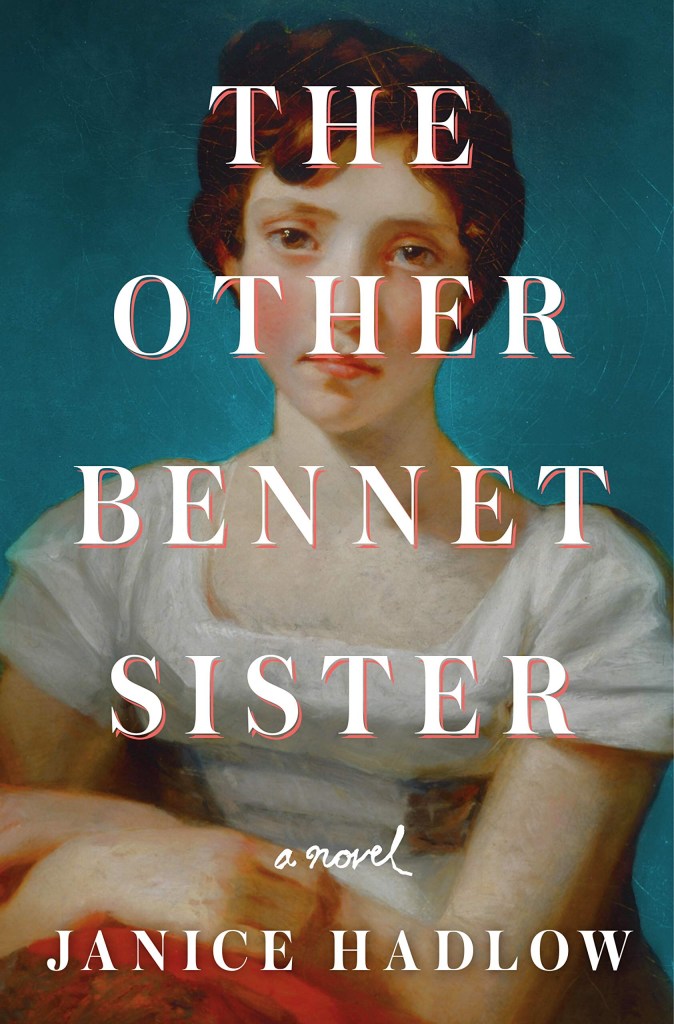
Westover’s memoir is worth the hype and acclaim—reading Malcolm Gladwell’s Outliers before her book added more depth to Westover’s story of overcoming adversity to reach academic success. GoodreadsPride and Prejudice enthusiasts might enjoy this focus on Mary, the middle Bennet sister. Purists? Hmmm… Goodreads
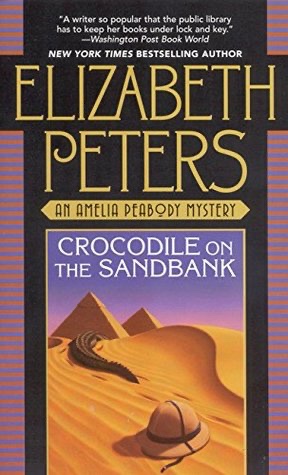
Amelia and her Egyptian adventuresdefinitely provide a lively read. Goodreads
Clever idea of telling a story through physical constructinstead of the usual chapter within. A quick, fairly engaging read. Goodreads
Have you read any of these titles? Any of the titles entice you?
Affect or effect? Is it all right or alright? Was it a blatant or flagrant mistake?
This month’s focus is from 100 Words Almost Everyone Confuses & Misuses (American Heritage Dictionary)
Using the right word correctly is part art and part science. Knowing the word’s definitions is a start.
Affect: transitive verb 1. simulate, as in “He affected a suave demeanor with his knowledge of lexicon usage.” 2. to show a liking for, as in “She affects huckleberry gelato.” 3. to tend by nature, as in “We read how the weather affects health.”4. to imitate or copy: “Spenser, in affecting the ancients, writ no language (Ben Jonson, Timber) 5.to have an influence on as in “The rain affects the tourist economy.” 6. to attack or infect, as in “Pollen can affect allergies in spring.”
Affect: noun 1. feeling or emotion, as in “The music was selected for its thrill of affect.”2. obsolete
Now that affect is squared away, let’s get effect squared away:
Effect: noun 1. a result, as in “Every negative comment has a lasting effect on the final vote.” 2. influence, as in “The child’s laughter had an immediate effect on the crowd.” 3. advantage, as in “The teacher used the rainbow as a positive effect of the rainstorm.” 4. a scientific law 5. a condition on full force, as in “The hands free cell phone policy goes into effect July 1.” 6. creating an impression, as in “The tall ceiling effects the sense of dimension.” 7. basic meaning, as in “He said he would never return, or words to that effect.”
Why are affect and effect confused and misused? For one, they sound the same and are nearly spelled the same. However, affect is a primarily a verb, while effect is primarily a noun (it can be used as a verb as in producing a result: “The change is primarily effected by the mixing of breeds.”
No wonder there is confusion. Try to remember if it is an action (affect/verb) or a noun (effect), as in “The abundant harvest affected the workers in a way of relieving them of worry for the upcoming winter, which created an lasting effect of peace and assurance.”
Affect/effect is a major contender for the confused and misused category. Here are a few other entries:
All right/Alright. All right is the correct and accepted spelling, at least formally. Some confusion may arise since words like, altogether and already are in use and accepted, which seems to clear the usage of alright—but it’s not correct. We don’t say “meese” for the plural of moose because we say geese for the plural of goose.
Blatant/Flagrant. These are not interchangeable. Blatant means noisy or fail to hide while flagrant focuses on the intended wrongdoing. While blatant is often used to mean “obvious,” this is not an accepted usage. The sentence, “Sam admitted to his blatant lie” should be changed to “Sam admitted to his flagrant lie” since flagrant refers to being offensive rather than it being unpleasantly loud. Although if Sam screamed his lie at the top of his lungs maybe it is a case for being a blatantly flagrant fib.
Capital is the official recognized city government.
Capitol is a building where the state legislature convenes.
Complement completes, as in “The added mushrooms complements the stew ingredients.”
Compliment is to praise, as in “The diner complimented the chef’s ability to create a sumptuous lamb stew by adding mushrooms.
A council is an assembly of people who deliberate, while counsel is advice. I imagine those involved in the council receive counsel regarding their decisions.
Fewer/less. Ah, the quick checkout dilemma. Fewer is used when counting things, as in “There were fewer than five pizza slices.”Less is used in reference to mass of measurable content, as in “There is less than a quart of ice cream left.” So when at the grocery store and you are looking to quickly checkout with your handful of items, select the line that has the sign stating, “15 items or fewer.”
PET PEEVE ALERT
A. Hopefully it won’t rain on Saturday’s picnic.”
B. “It’s hoped it won’t rain on Saturday’s picnic.”
Which is the correct sentence? If you chose B you would please the lexiconical folk. If you selected A, you are among the majority. While A is most frequently used, it is not considered acceptable by grammarians—not really clear on why, but as in the way of most of our language. Note:once it becomes widely used it becomes accepted, just look at how “their” is now embraced as a singular pronoun instead of a plural one. I had to finally let my teacher red ink dry on that one.
Inflammable/flammable both mean easily ignited. Nonflammable indicates not being able to catch on fire. Don’t let the “in” prefix fool you.
Irregardless—don’t go there. This is a blunder. It might be a blend of irrespective and regardless but it is nonstandard, so walk away. Stay with regardless.
UPDATE: Webster’s Dictionary has acquiesced and has recently added irregardless to the dictionary—I wonder if usage or peer pressure is the deciding factor.
Lay/Lie. Quick and easy: lay is a transitive verb and takes a direct object (noun) (think what was laid)—“He laid the letter (what) on the desk.”
Lies is an intransitive verb and does not take a direct object, as in “Auntie lies down after working in the garden.” There is no noun, direct object—lie is the stated verb of action. *Sigh* I’m still working on this one.
PET PEEVE ALERT
“I could literally scream until I am red in the face the way people pop literally into their sentences.“
Nope. Literally used as an intensive is incorrect since it means to be taken in truth. If I screamed until my face turned red I best be heading to the ER for a possible heart attack commencing, because that is a fairly intense reaction. I should be using virtually or figuratively instead. The next time you hear a sentence like, “I laughed so hard I literally thought my insides would burst” I suggest one of the above substitutes or maybe a dust pan.
And last of all is the old favorite: A principle is a statement or belief of truth and a principal is the leader of the school—think of him as your pal, who wants to impart truths while you are at school.
Hopefully this cleared up some of the confusion; irregardless if I muddled up the explanations, I literally tried so hard to make it clear that my brains nearly fried.
I wouldn’t lay, um, lie about my intended affect on your attaining greater knowledge.
[Ha—Wordpress has yet to perfect their auto correct].
Lately I’ve been diligently working on developing Pam Webb, debut picture book author, but I do miss those Cricket Muse days of somewhat anonymously posting this and that. I especially miss sparring with Mike Allegra, famed children’s author and blogster of humorous doodle repartee. Mike—if you are out there, send me a sign all is well. Thanks—
Speaking of signs (and Mike would no doubt chortle)…
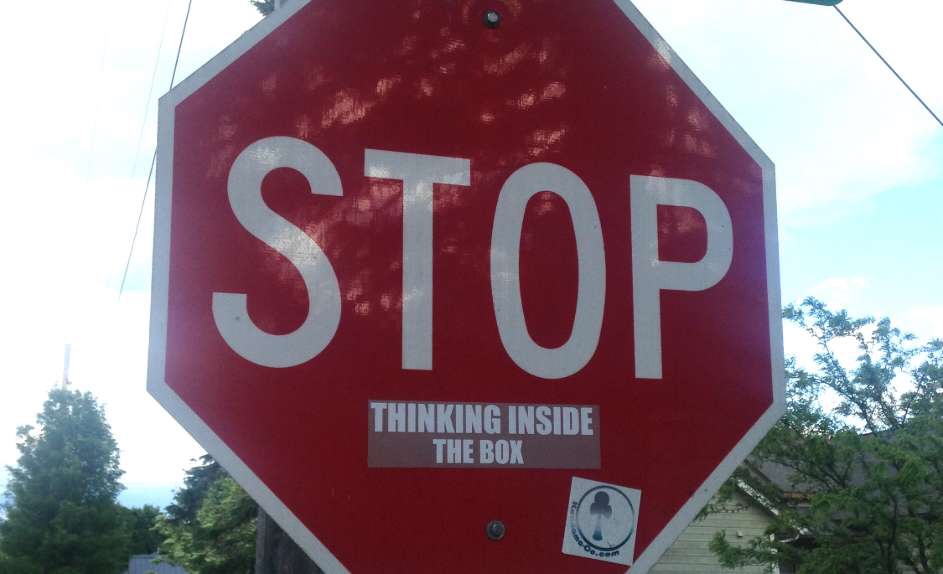
Someone or some persons over the last several years have taken to stop sign graffiti. Scattered throughout our fair town are numerous, and often hilarious messages added to the stop signs. Here are a few :
ClassicYou talking to me?Duking it out.We all need a reminder now and then Optimism is essential Yes, I have heard that one beforeWe asked that in June as we waited for summer to arriveNow I have that song in my headThen again the box is a quiet place to think about thingsYes, I don’t want summer to end quite yet
This is only half of the collection. Someone or persons have been busy. The police chief doesn’t seem that concerned about the vandalism, in fact, he gave the impression the messages are part of the greater picture of what makes our town unique. And who can stop people from expressing their opinion?
What stop expression would you sneak up on a sign?
I have my reserve in for the new Hamnet. I am anticipating and checking my library notifications frequently. If you are unaware—
This is a fictional account of a playwright (who is supposedly not named in the story) and his 11 year old son, his only son, who dies, perhaps of the bubonic plague. Of course it got my attention. If it looks like Shakespeare, talks about Shakespeare, might shed more light about Shakespeare—gotta read it. Being a Bardinator sets one up for mandatory reading at times.
A new view of Shakespeare, perhaps?
Since I have yet to read the novel, I thought this installment of Bard Bits would focus on what others have said of the play, which is supposedly a reference to Hamnet, Shakespeare’s son, whose name is thought to have alternately been spelled Hamlet. There is ongoing academic conversation about that connection.
So-no thoughts yet on Hamnet. However, here are what some think about the titular character of the play:
A rich kid from Denmark.
—Diane Sawyer
A sad, screwed-up type of guy.
—Holden Caulfield
A half a dozen characters rolled into one.
—George Bernard Shaw
An Anglo-Saxon bore who talked too much.
—Henry Miller
What Hamlet is, before he is anything…is an authentic tragic hero who is himself a man of genius.
—Orson WellesHamlet
Hamlet doesn’t care if he bites the dust. He’s dangerous. He’s a human time bomb.
—Mel Gibson
Indeed. Hamlet is a bit of all these impressions. But beyond his perceived personality is the remaining core of who Hamlet is and the engine of the play: he is a son who has lost a father. What is notable, is the play is written by a man who lost a son. The play is about how a father and a son are both lost. Sometimes it’s a fine line between life imitating art and art reflecting life.
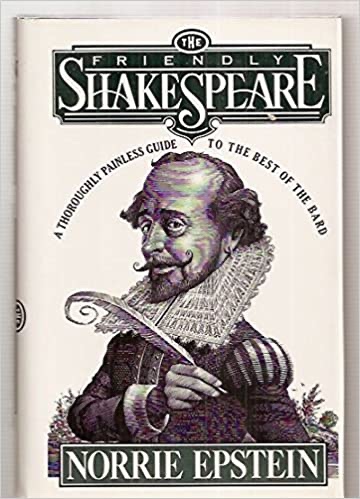
All quotes are from the fun and fabulous The Friendly Shakespeare by Norrie Epstein. It is a treasure of a Bardinator resource.
What are your thoughts on Hamnet? No spoilers, please.
Feel free to add your two cents to thoughts on Hamlet. Having watched too many adaptations I have to push aside Mel, David, Jude and cohort before deciding on my own ideas. Above all else, I think Hamlet is a grieving young man who truly missed his father. I think Shakespeare did indeed reflect how grief wears heavy on a person in his play about how a person grapples with significant loss and how loss is absolutely a very personal experience.
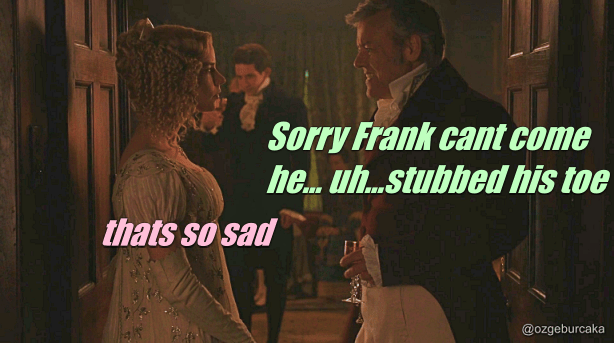
Next to Pride and Prejudice,Jane Austen’s Emma seems to be the novel most cinematized. Case in point, another Emma opened to theatres as the covoid shut them down. Just as we got our hopes up for an Austen on screen they were dashed—much like the promise of Frank Churchill arriving for a visit and then not showing up.
Ozge’s World meme (oh that Frank—tsk)
The basics of Emma are Austen pointing out the class differences in Regency society along with following the exploits of a rich girl’s ennui as we wait for her character arc of improvement. In the mean time, the reader is entertained by a couple of intrigues by way of mistaken romances. The foundation of oh so many stories we see today.
What is problematic for the reader is deciding if Emma is likable as a character. There is no doubt Lizzie Bennet wins the Favored Austen Girl Award, but are we supposed to appreciate Emma as well? It’s doubtful. Even Jane Austen admitted to have created a character that only she would probably like.
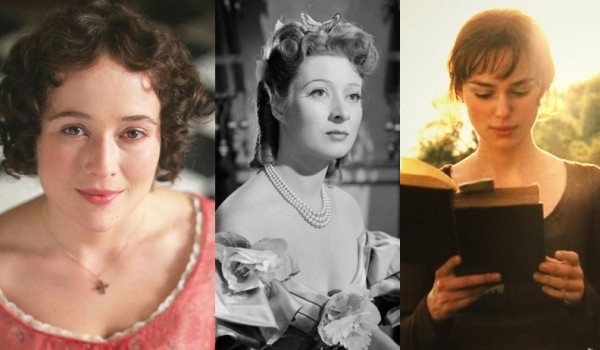
Lizzie through the years
The novel starts out leaning towards the idea Emma is a privileged girl with the possibility of becoming or could possibility be a (ready for it?) snob:
Emma Woodhouse, handsome, clever, and rich, with a comfortable home and happy disposition, seemed to unite some of the best blessings of existence; and had lived nearly twenty-one years in the world with very little to distress or vex her.
With that introduction, Emma could go either way: beloved of all or too good to believe. Austen indicates that Emma Woodhouse being pleasant, pretty, privileged has one obvious fault:
The real evils indeed of Emma’s situation were the power of having rather too much her own way, and a disposition to think a little too well of herself…
And that’s where it gets interesting when it comes to interpreting Emma for the silver screen.
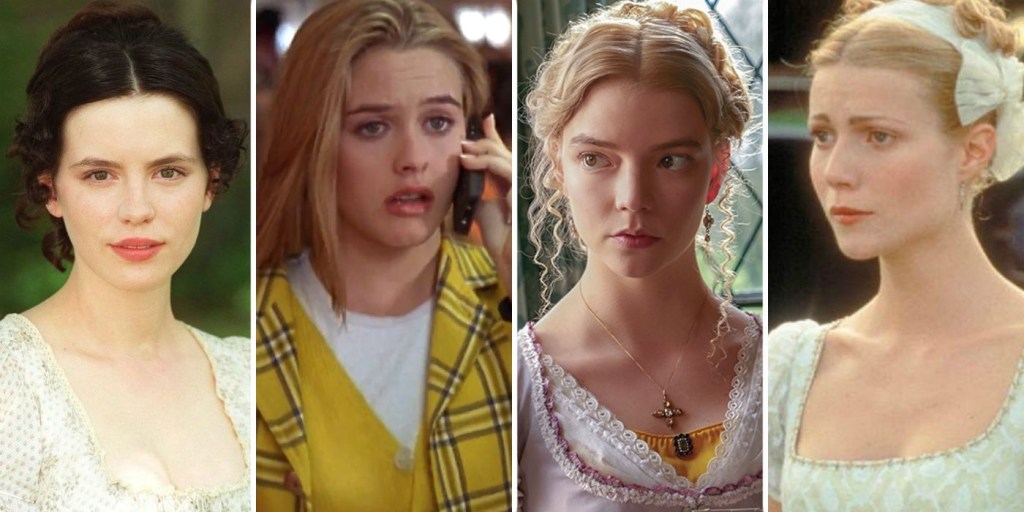
The faces of Emma through the cinematic lens
Gwyneth Paltrow leads out with her elegant, polished Emma in the 1996 version. This version applies a favored eye towards Emma who is presented as a charming young woman who struggles to emerge on the other side of being accomplished in the art of having “grown up.” The story fairly follows Austen’s novel. Emma is quite likable and the audience appreciates her struggles as she blunders her way through the office of being a beautiful rich daughter of a gentlemen.
Gwyenth Paltrow providing perfection
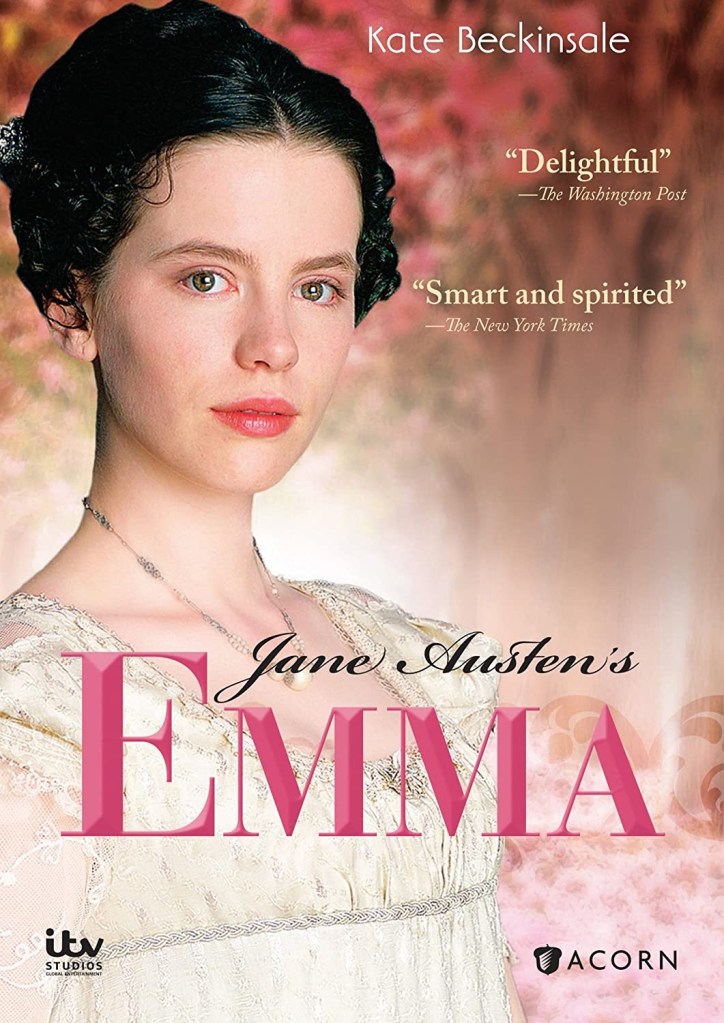
Also in 1996 is the lesser known version starring Kate Beckinsdale whose Emma is just tad snobbier than Gwenth’s version and her character arc is much less visible. This version seems to focus more on the class differences, with wide shots of servants and the poor which populate Highbury.
Kate Beckinsdale portrays a refined demure heroine
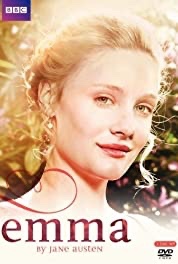
Then there is the leap to 2009 with Romali Garai appearing in a decidedly contemporary version. Although the four part series is quite lush and pretty with its costumes and setting, it lacks Regency decorum. The director’s intent was to create a hybrid Emma by dressing everyone up Regency style, yet acting as if they are in a modern rom-com. This Emma acts more like a teen debutante with her expressive eyes and outward manner, she is all dressed up but forgetting how to behave. She even allows Frank Churchill to rest his head on her lap during the Box Hill picnic. *Shocking*
Romali Garai romps as a Regency girl just wants to have fu-un
There is the Clueless version—a sort of the ‘90’s offering of taking a classic and setting it in high school as in Ten Things I Hate About You or She’s the Man. This is not a Regency Emma and kind of pays tribute to Austen’s Emma, but it’s not the book. Maybe not even the Sparknotes version.
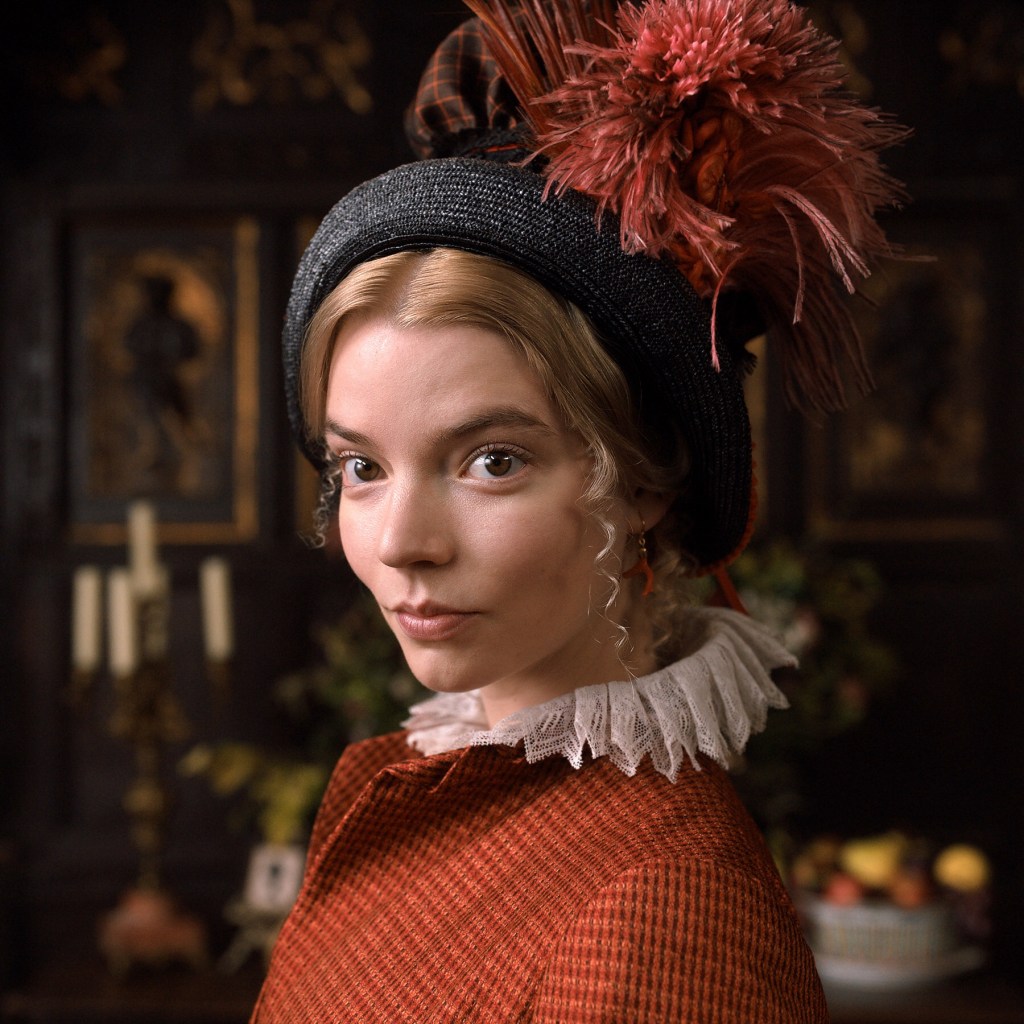
Then there is the 2020 version. This was supposed to be the senior lit class outing as we had just wrapped up our Austen unit. Good thing I didn’t reserve the bus since school went into soft closure while the theatres went into shutter mode. I have been waiting to view this newest entry for ever so long. My anticipation turned into disappointment as the entire movie became too, too much. The colors, clothing, setting is that of Easter candy cloyingly overdone. The tone of the movie is snarky, with Emma coming off as a mean girl. And just when we think she isn’t quite human, she bleeds, quite literally, when faced with being really, truly in love.
Don’t cross Ana Taylor-Joy’s Emma
With all these Emmas to chose from it’s difficult to decide which best represents Austen’s ideal. Paltrow’s poised Regency princess?Beckinsdale’s aloof elite gentlemen’s daughter? Garai’s winsome, youthful rich girl? Taylor-Joy’s prickly fashion plate?
If Austen’s intent was to showcase the time period while gently mocking the societal hierarchy by inserting some well-placed humor, as we watch Emma’s character arc emerge I would say place Paltrow’s Emma with its range of characters, infuse with the gorgeous palette of Garai’s version and insert Beckinsdale’s pointed shots of the struggling lower classes. Not sure about Taylor-Joy’s contribution and I am Clueless about adaptions and where they fit in Austen remakes.
If you are an Austen Emma fan, what are your thoughts towards the Emma dilemma? What is she all about—favored princess, snob, airhead, snark—or somewhere in between?


















 Pam Webb