A tree lover. An appreciator of their grace, shade, and mesmerizing swish when the winds converse with them; however, I am not a fan of the annual migration of downward accumulation.
This year my strategy of waiting for all the leaves to fall before raking backfired. We received an early snow and the leaves frisked about the snowfall, creating a decorative touch of color. A bit like sprinkles on vanilla frosting.
I was momentarily charmed.
But then the snow melted, the rest of the leaves fell within one week–somewhat of a follow the leader venue (is that snickering I hear?) and the momentous task of dealing with two towering aspens, a birch, a linden, and a maple tree. Certain evergreens wanting in on the game shed their dagger needles as well.
I contemplated leaving the leaves alone this year. Scientifically, don’t they mulch and return to the soil as the snow blankets them all winter? I image more time is needed than the four months of dozing under the snow would render them inert.
The yard must have started looking pathetic because I had a group of church kids stop by and offer to rake my leaves. Oh. That’s so nice. Do I look old enough where I can’t handle taking care of my yard anymore? I’m thinking they were being nice.
Okay, November is here. Snow is lurking down the pike. It’s a rousing 46 degrees and I’m going to do this.
To leaf alone or not leaf alone.–always the question…
Leaf blower at the ready. Rake, snow shovel (it’s the best for leaf scooping), and wheelbarrow are standing by.
herding leaves is right up there with herding cats–they don’t always go where you want them to…
I managed to get the leaves in four or five major piles and then it’s always the dilemma of burn, mulch, tarp or ? This is the only time of the year when I am envious of city folk, who are only 7 minutes down the line, jurisdiction wise. They get to cart their leaves to the curb and have city garbage haul them away. While us county folk have to figure it out.
This year it’s the giant pile and tarp for a spring burn. It’s getting them into that giant pile.
Having been called away by a Mother errand (glasses needed tightening, and while we are out, she says, I need a pedicure and some new tops), I did not return until almost three hours later. My hopes of the leaves somehow Disney-like traipsing into “hi ho hi ho” parade and forming themselves into that desired leaf pile momentarily tickled me.
No such luck.
I will give full credit to my Hubs who managed to corral the leaves and tarp them. At least most of them.
Help is always appreciated when tending to leaves
“Thanks for doing the leaves.”
“You’re welcome.”
“What are your plans for the rest of the leaves?”
“What other leaves?”
“The ones over there.”
“Oh, I didn’t see those.”
Okay, he’s wonderfully managed to organize and tarp the leaves. Am I going to point out that there is still a significant amount of leaves left to deal with?
I tend to inundate my students with Shakespeare’s sonnets as part of our poetry unit. For one, sonnets often show up on the AP exam. For another, Shakespeare knows how to rock the sonnet. He saw what Petrarch has done with the Italian sonnet, smoothed and improved it to the point where he owns it. When someone says “sonnet” Shakespeare is what comes to mind. He tended towards taking what someone else had created and reshaped it so that it was his claim. It wasn’t plagiarism then, only genius.
This month’s Bard Bits recognizes how Shakespeare mastered the metaphor. Many of his sonnets dealt with aging out and Sonnet 73 captures the autumnal drift into winter with thoughtful reflection.
Sonnet 73: That time of year thou mayst in me behold
That time of year thou mayst in me behold When yellow leaves, or none, or few, do hang Upon those boughs which shake against the cold, Bare ruin’d choirs, where late the sweet birds sang. In me thou see’st the twilight of such day As after sunset fadeth in the west, Which by and by black night doth take away, Death’s second self, that seals up all in rest. In me thou see’st the glowing of such fire That on the ashes of his youth doth lie, As the death-bed whereon it must expire, Consum’d with that which it was nourish’d by. This thou perceiv’st, which makes thy love more strong, To love that well which thou must leave ere long.
Captured this photo yesterday. Mehap’s I render this to be a new season: Finter—when the trees have not shed their leaves before the first snow falls
A number of familiar and unfamiliar expressions for this installment of words and phrases we use and might not have a clue why we say them.
Slick as a Whistle: This comes from whittling whistles from reeds. Once ready to go all a person has to do is blow through the empty, sleek tube and the sound easily comes out. With a little bit of work merry music is made–pretty slick.
Slush Fund: Back in tall ship sailing days, the ship’s cook produced a fair amount of fat waste, known as “slush,” which was used to grease the masts. However, if there was any slush left over, cook had the option to sell it, thus making a bit of profit. This profit did not have to be reported. This meant the ship’s cook could fatten up his private funds with the extra slush.
Sneeze At: The expression “sneeze at” comes in a variety of forms, usually stated as, “That’s nothing to sneeze at.” When someone sneezes they make a sound without words (okay, some people actually do utter “achoo.”). When something is noted, but not worth an actual stated reply, a person might make a noise of derision, surprise, or even agreement, depending on the situation. Next time someone sneezes it might be a question of whether or not they actually are holding back their stated opinion.
Snob: A bit of linguistic history for this small word that carries a heavy message. The Scottish word “snab” means “boy” or “servant.” At a point in history, English students attending university were of the nobility and referred to the townsfolk as “snabs.” In the 1600’s Cambridge University began admitting commoners. These “snabs” had to register as Sine Nobilitate, meaning “without nobility.” This became abbreviated to S. Nob, leading to “snob.” Snob signified being a “pretender to position.” So–attending a prestigious university like Cambridge doesn’t require nobility anymore–just smarts and funding? Education for all who can afford it? Oh, snab, how common.
Son-of-a-Gun: This stems from British sea slang. Improbable as it sounds, British Navy sailors were allowed to take their wives on long voyages. When the women gave birth they were relegated to the area beneath the guns to keep the decks clear. The term came to be a backhanded reference to being a soldier or sailor’s child. Today it’s often an expression of surprise, encouragement, or even an euphemism for stronger reference towards someone’s standing.
Southpaw: Left-handed folk are sometimes referred to as southpaws. Why? Major league baseball diamonds have an east facing layout so batters will have the afternoon sun at their back, making it easier to see the ball being pitched. This means when the pitcher faces the batter he faces west and his left arm faces south. If he pitches left-handed he pitches with his south hand or paw. Are right-handed folk north paws?
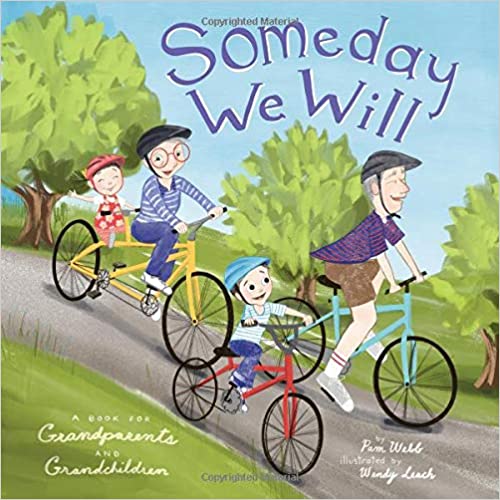
Find me on #SCBWIBookStop! From now until November 30, you can check out my book Someday We Will here 👉 SCBWI BookStop. Thanks for supporting your #kidlit community!
#SCBWIBookStop is a great place to find a new book to love. Go to 👉 BookStop
My book’s on #SCBWIBookStop! Here are three fun facts you may or may not have known: 1, 2, 3… Click the link in my bio/Go here to check out my page 👉 BIO
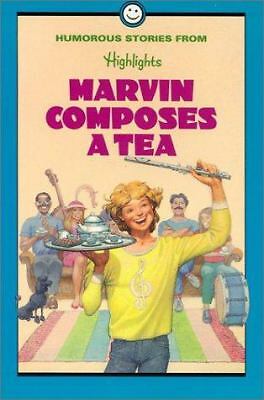
Fact One: My first published story “Marvin Composes a Tea” appeared in Highlights for Children in 1988. It received Author of the Month and went on to become the title-lead story for a Boyds Mills Press anthology. I thought I was off to a fine start. Never mind it took 32 years before my first picture book was published.
Classic Highlights
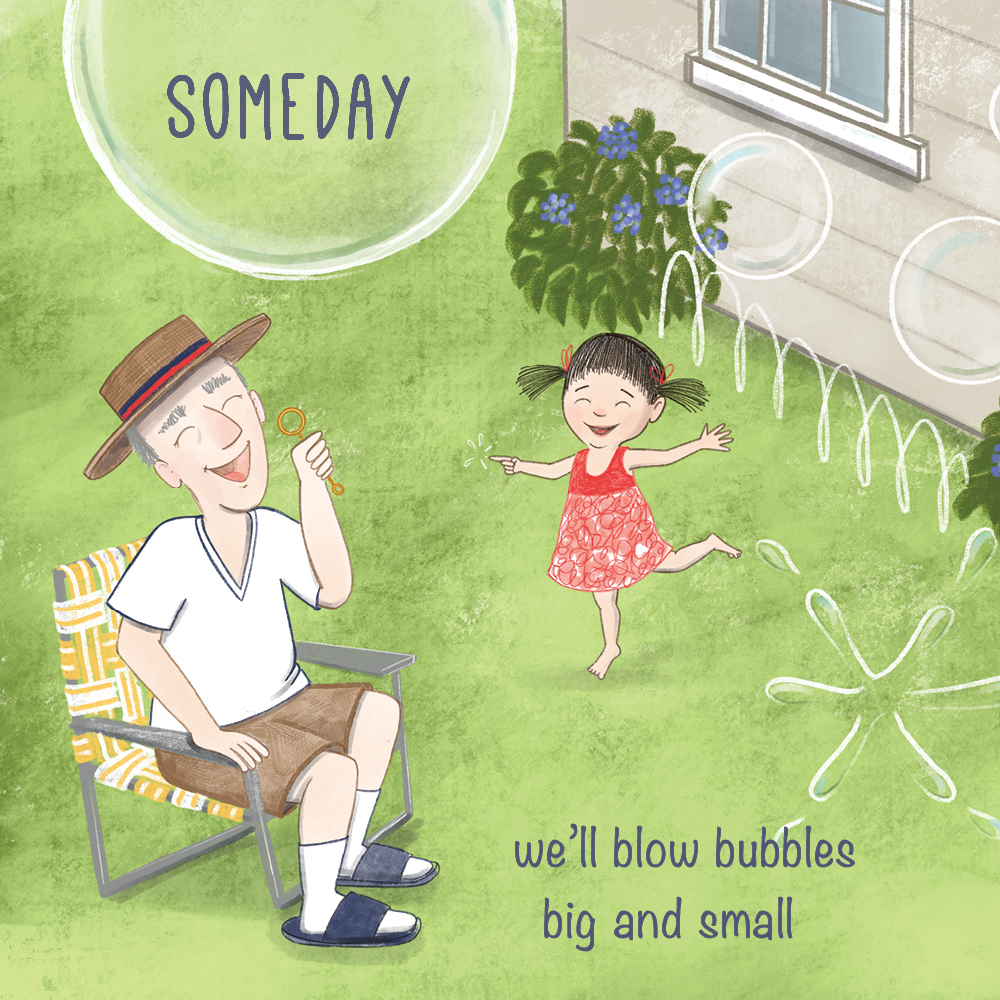
Fact Two: I still like to blow bubbles.
Bubbles are for all ages!
Fact Three: I nearly didn’t send out the manuscript to make the publisher rounds. I brushed it off it sitting in my “working on” file for almost ten years. My writing group convinced me to polish it up and send out. I’m glad I listened to their encouraging words.
Have I mentioned lately how much I appreciate my local library? If I haven’t, then I am remiss, because it is one special place staffed by the most amazing people.
They have been very supportive with my debut picture book Someday We Will published by Beaming Books. On a sunny Friday a trio of library folk met up with me at a local park, launching the first of their local author spotlight series. Marcy, (PR maestro), was our moderator, and Kimber, (amazing youth librarian), as the interviewer, and the intrepid Mike, (life-long learning coordinator), acting as our camera crew passed an hour discussing the book, addressing how children are separated from loved ones, like grandparents, and we even covered the mystery of the publishing process. We had a great time! Here is the link to the interview:https://m.facebook.com/marcy.timblin/videos/4408356815902483
The best part was being presented with my book fashioned into a clock!
The library staff added their comments, making this a much appreciated gift!
Another activity the library provides for the community are the story walks. This is gaining popularity in different areas, especially since storytime is not available yet to share books.
Take a walk while reading my book!
Another update is finding reviews popping up on different websites. I do enjoy those surprise finds! Here’s a recent one from Big Books for Little Hands:
Someday We Will – Beaming Books has so many great titles for families and this one does not disappoint. A sweet book about all of the fun things that grandparents and grandkids do together, from going on road trips, and playing outside, to eating ice cream before dinner. I love the way this book brings to life the excitement and anticipation of visiting grandparents, who live far away, after a time apart. This book reminds me so much of the way my sisters, brother and I counted down the days until we visited our grandparents each summer.
And Ms. Emily from the Harrisburg Library in Illinois selected my book as her pick of the month:
Clear out in Illinois they are reading my book!
Ms. Emily’s Pick of the Month
And the Seattle Book Review gave it a 5/5 review, saying: ” I felt as if I was being transported to this beautiful world that the grandparents and grandchildren are having together. The illustrations were beautiful and whimsical.“
Trying to promote a debut picture book during the pandemic has indeed been challenging. An author has to persevere and be creative, and also rely on the strength of the book to gain momentum among readers.
If you haven’t yet checked out Someday We Will, I hope you will, especially if you and your family are separated from loved ones, because Someday We Will be together again.
Even though Grandparents Day was Sunday, September 13, Grandparents are special everyday. Wouldn’t this be a great book to share with grandparent you know?
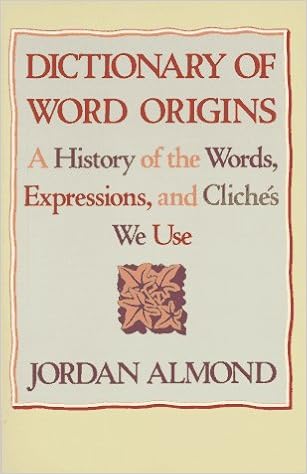
As we move deeper into the “S” section of Jordan Almond’s Dictionary of Word Origins, we travel into nefarious terminology and meanings.
Scot-Free: “And just like that I got off paying that paying scot-free.” Getting away with something, or not having to pay for something is a relief and often a goal, but it has nothing to do with Scotland. “Scot” comes from the Anglo-Saxon sceot which means “money put into a general fund” — a “tax.” The scot was a form of income tax, determined by what people could pay. If someone were “scot-free” it meant they were free from paying tax.
She-Bang: “The whole she-bang comes crashing down after that windstorm blew through our yard–yup, them chickens were surprised when their coop fell apart.” Referring to the “whole she-bang” usually means an entirety. Originally, the term came from the Irish name for a drinking place without a license, which is also known as a speakeasy, or a shebeen. It’s thought a drinker deep in his cups might offer to take on everyone or the “whole sheebeen.”
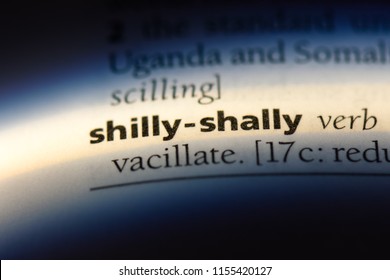
Shilly-Shally: “Well, don’t shilly-shally. Are you coming or not?” Someone who cannot make up their mind might wrestle with self-questions as in “Shall I?” The weak form of “shall” would be “shill.”
Shindig: “Sounds like that party is going to be some shindig.” Rough parties can sometimes break out into fights and techniques of kicking and gouging, digging into someone’s shins might take place. A reference to a rowdy eventually moved to a general term for a party.
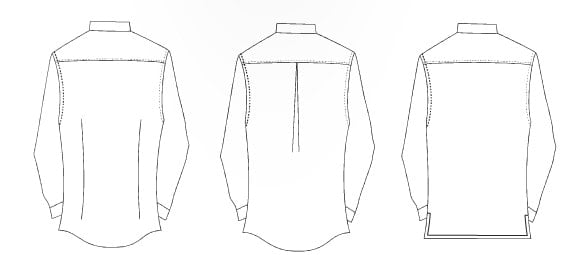
Shirt Off One’s Back: “My brother-in-law is so generous he would give the shirt off his back to help out someone who needed some help.” In the days when men generally were attired in a coat, pants, and shirt, to give out your coat was considered a decent offer since the giver remained decently attired with their remaining shirt and pants. However, to give someone the shirt of their back was considered a truly generous offer. Today, someone might not willingly hand over all they can decently give, and to give the shirt off one’s back can mean giving over and above the request.
Shoddy: “My new shirt is shoddy–it came apart after three washings.” When cloth was woven some of the fluff or loose fibers was shed. Which refers to the dialectal word “shode” meaning to separate. The fluff was gathered to make new weavings, but being weak in strength the clothes quickly fell apart.
Skin of One’s Teeth. “He got out of that accident by the skin of his teeth.” This is a translation from the Book of Job in which it refers to how a person has no skin on their teeth, and so to get by the skin of one’s teeth is to indicate there wasn’t any margin at all.
Skinflint: “Oh, my Uncle Fred is such a skinflint in how he never spends more than he has to when we go out shopping.” Back in the day flint was used to make fire. After repeated use these pieces of rock would become smaller and smaller until hardly much was left. Someone wanting to save money on buying more flint would use the bits of rock or “skin,” the tiny pieces.
Skullduggery: “Watch out for that rough group of fellows walking down by the warehouse district. They could be getting into all kinds of skullduggery.” Grave robbing was once an active criminal activity and those who dug of the bones for various nefarious reasons were known as “skull diggers.” Over time any criminal activity would be known as “skullduggery.”
Next time we continue tromping through more “S” selections. Stay tuned…
One of the rewards of being a parent is to become a grandparent!
In fact, my granddaughter is the one who inspired me to write my debut picture book Someday We Will.
I treasured our visits when she was a baby, and then as a toddler, and I would daydream about all the marvelous activities we would share together as she grew older.
I would play with these activities in my head, creating happy little rhymes:
“Someday we will Fly balloons up to the moon [this one didn’t pass through editing]
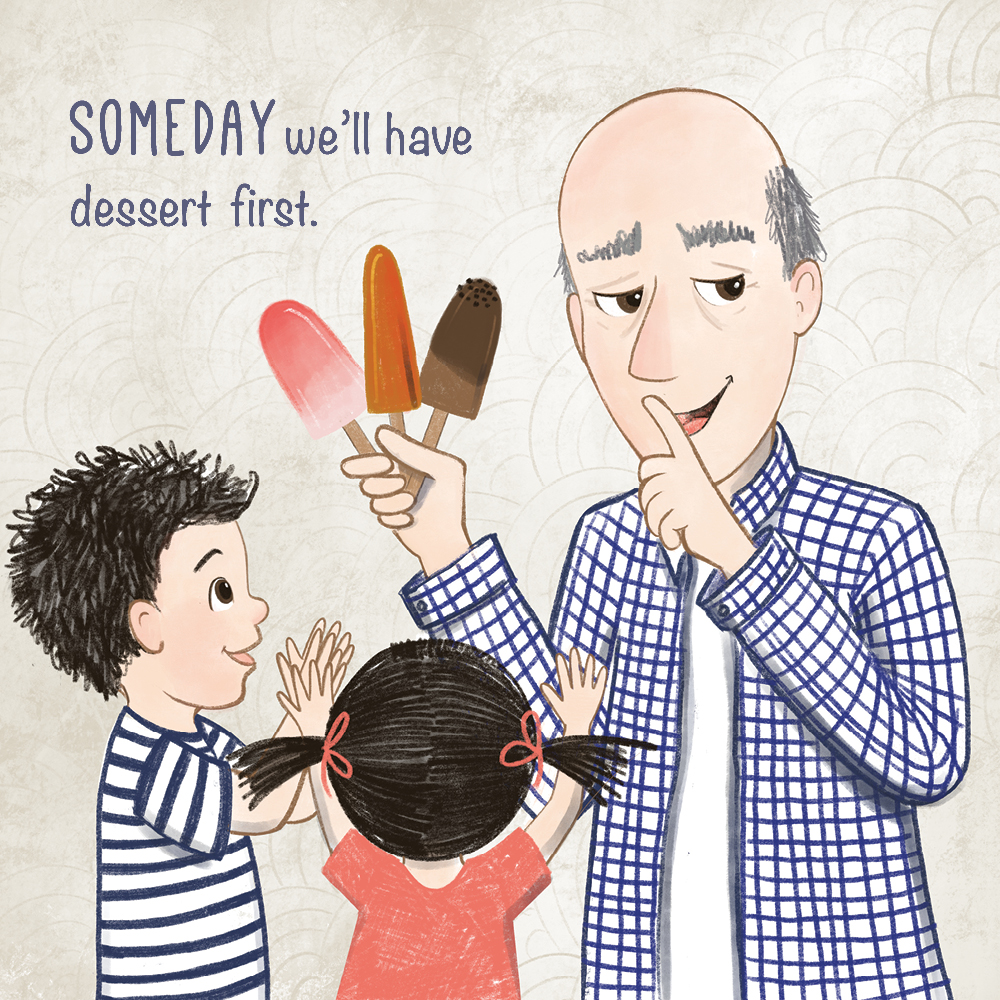
Someday we will Eat dessert first [this one definitely did and is a favorite]
Finally I collected enough rhymes to create a manuscript which I eventually submitted to a publisher specializing in family themes. Andrew DeYoung of Beaming Books enthusiastically and expertly guided me to editing the book into its present form. It has less rhyme and more of a lyrical flow, creating a more resonant text that expresses the joy of being together.
The subtitle: A book for grandparents and grandchildren is a reminder how special that connection is between grandparent and grandchild.
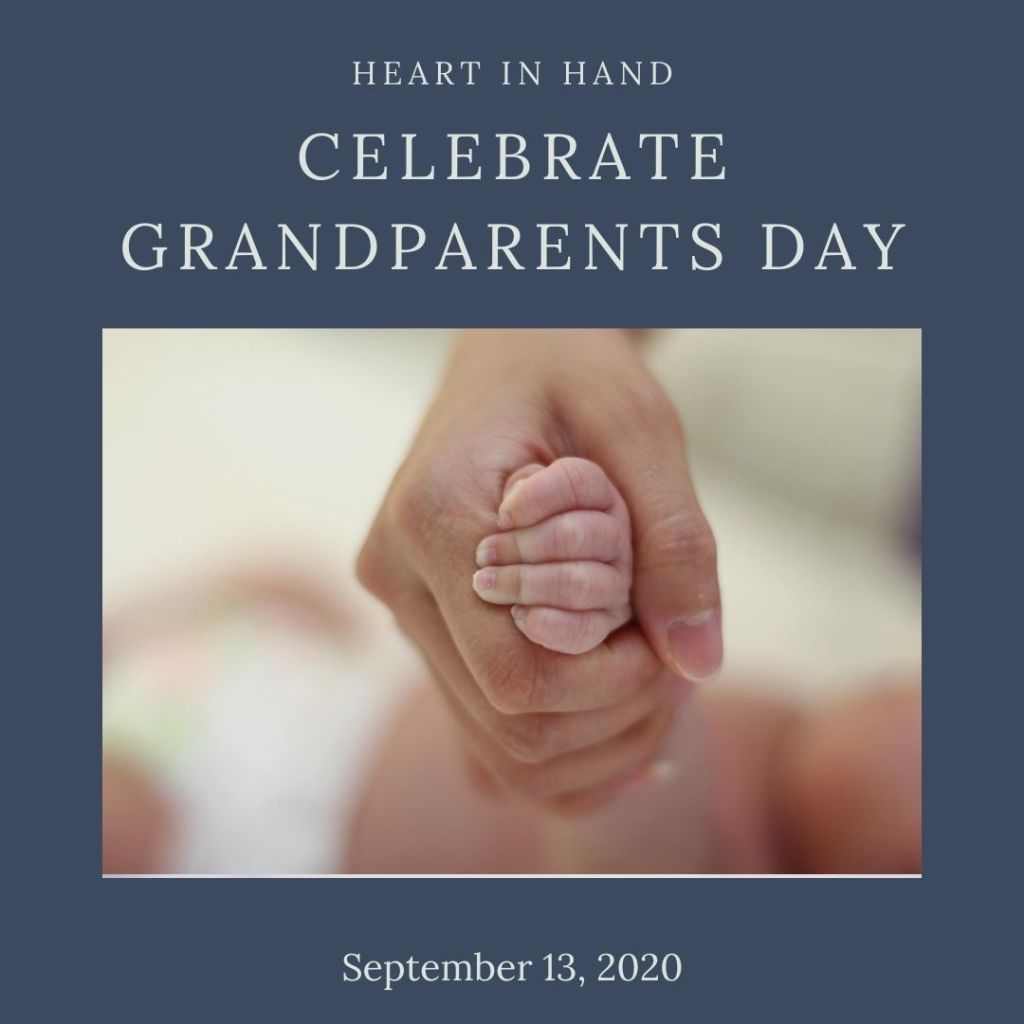
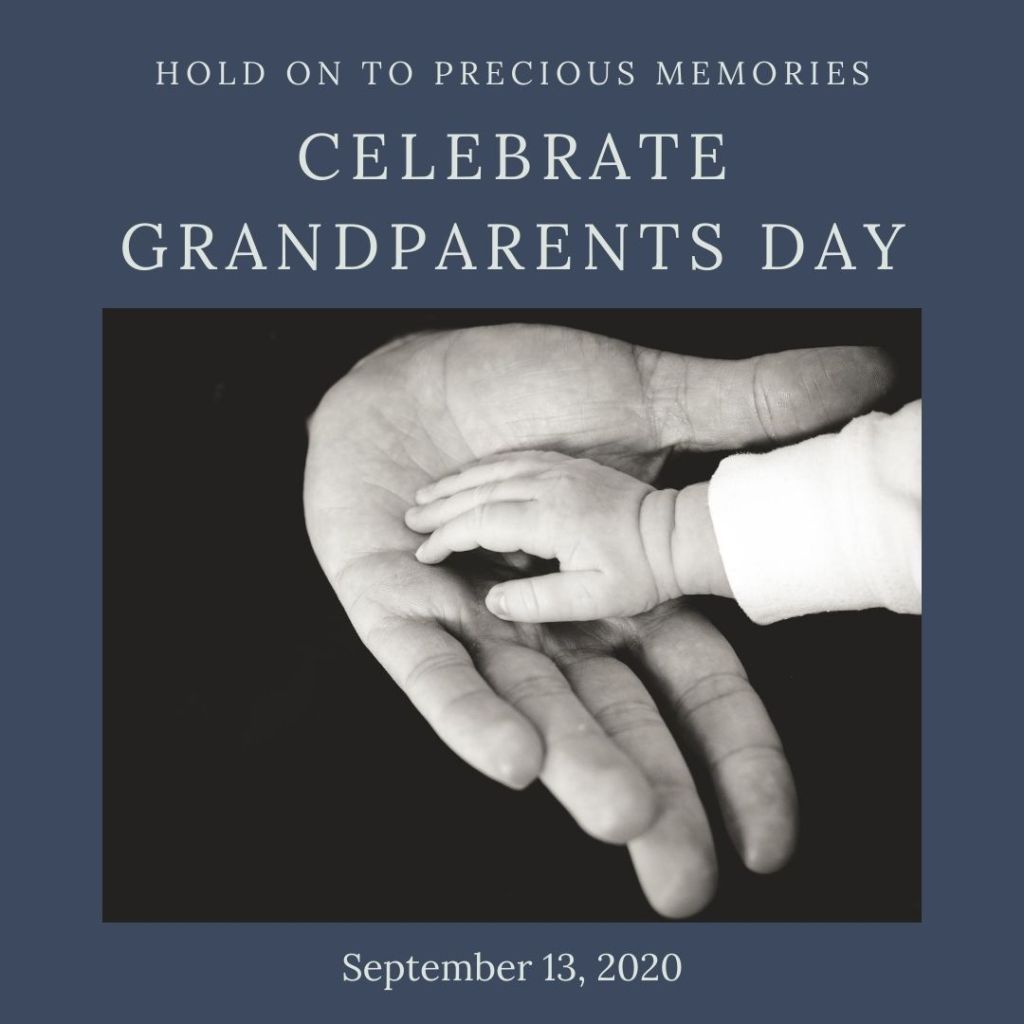
September 13 is National Grandparents Day. Though there might be distance due to our present situation, that connection remains a strong bond.
Celebrate Grandparents Day, knowing Someday We Will be together.


![The Best Cordless Lightweight Leaf Blower [2020] | Archute](https://www.archute.com/wp-content/uploads/2020/07/lightweight-leaf-blower-reviews.jpg)









 Pam Webb