ELI5: abbreviation. explain like I’m five (used to ask for a straightforward and simple explanation of a complex topic or concept).
padawan: noun. an inexperienced person, particularly one being taught by someone more experienced.
greenhushing:noun. the practice of a company not reporting its sustainability efforts, often in order to avoid scrutiny.
glow-up: noun. a positive transformation, generally in appearance but often also in confidence, social capital, or ability.
How Does a Word Get Into the Dictionary? According to Dictionary.com a word gets entered into the dictionary after there is evidence that it has been in use for some time by lots of people. Thus, a word “suddenly” found in the dictionary may not be a newly coined word, being one that has found its way into everyday use already.
Check out the entries here. What words did you discover?
It’s summer, which means I am in the reading zone, that being primarily outside and, in my hammock, as much as possible.
Summer is also one of my favorite seasons (although when it is hitting the 80+ zone I look more forward to fall) and with all those sunny days and blue skies my endorphins are up and light-hearted is my general outlook.
This month’s Word Nerd complication reflects my sprightly way of feeling:
bibliotaph: a book lover who hoards books. Though not a true bibliotaph, I do have an entire bookshelf dedicated to Shakespeare.
winkle: to pry something out of a tight place, which usually involves patience—derived from removing periwinkle snails from their shell (to eat—be sure to cook with butter and garlic).
snail on the leaf, escargot on the menu
gudgeon: a gullible person; someone easily fooled—derived from the fish of the same name which is easily caught.
brummagem: an eye-catching object that later proves shoddy in quality—derived from the town of Birmingham, England once known for producing imitation goods based on expensive counterparts.
spezzatura: having effortless style or grace—sounds like another word for panache (my nod to Cyrano de Bergerac).
pother: a commotion or a fuss over something insignificant—reminds me of Winnie the Pooh. He would calmly say “Oh, bother” when confronted with a troublesome situation. Whereas “pother” fits Rabbit who would stomp around loudly vexed over some triviality.
image: target.com
whilom: an attribution to the past—a dated word, yet worthy to trot out to add some flourish to one’s sentence as in “I have fond memories of my whilom flip phone, as it was as less complicated than my iPhone.”
blatherskite: a Scottish word describing someone who speaks rapidly and profusely, yet offers little in substance.
tiffin: a light midday meal. Yes, I especially practice tiffing in the summer when it’s too hot to cook.
birr: to move with a whirring sound. Not to be confused with “burr” or “brr.” Think of helicopters or drones.
operose: describing a great deal of labor as in undertaking planting 100 bulbs last fall to enjoy their blooms in spring and summer.
tedious work, yet satisfying when the blooms arrive
appetence: a strong desire or craving. This does sound like appetite, doesn’t it? They are no doubt related. I have an appetence for light after our longish winter days of gloom.
quiescent: a momentary state of inactivity, but not total absence—like how the backyard birds disappear in the afternoon when the temps reach sweltering.
expiscate: to uncover information through thorough, careful inquiry. I wonder if my IMdB trivia dives into movies and shows qualifies?
Though chosen because they fit my light-hearted, summery feeling, most if not all work well throughout the year. I run into blatherskites when attempting a tiffin at a favorite eatery and have to withhold my pother, attempting some spezzatura as I winkle out my meal.
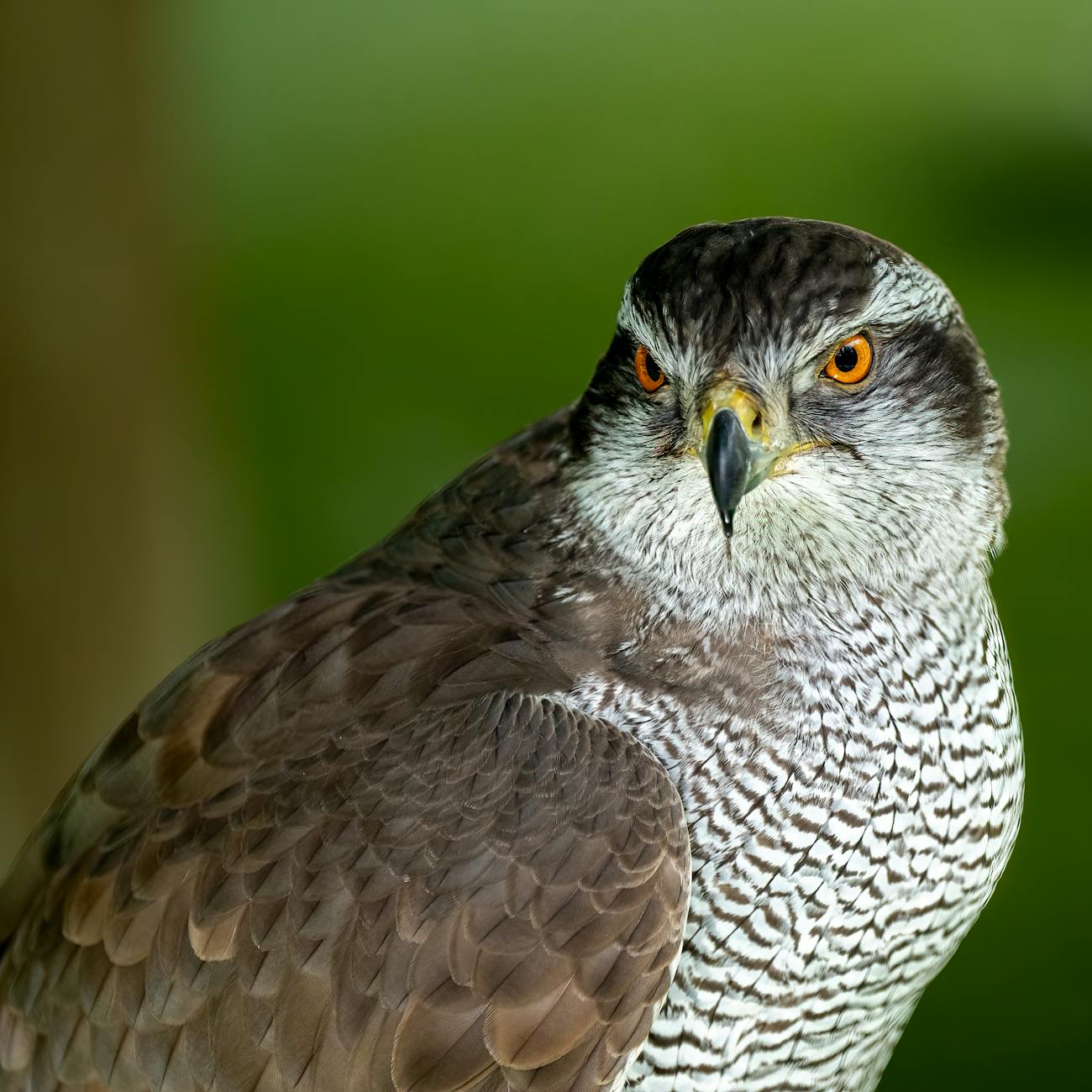
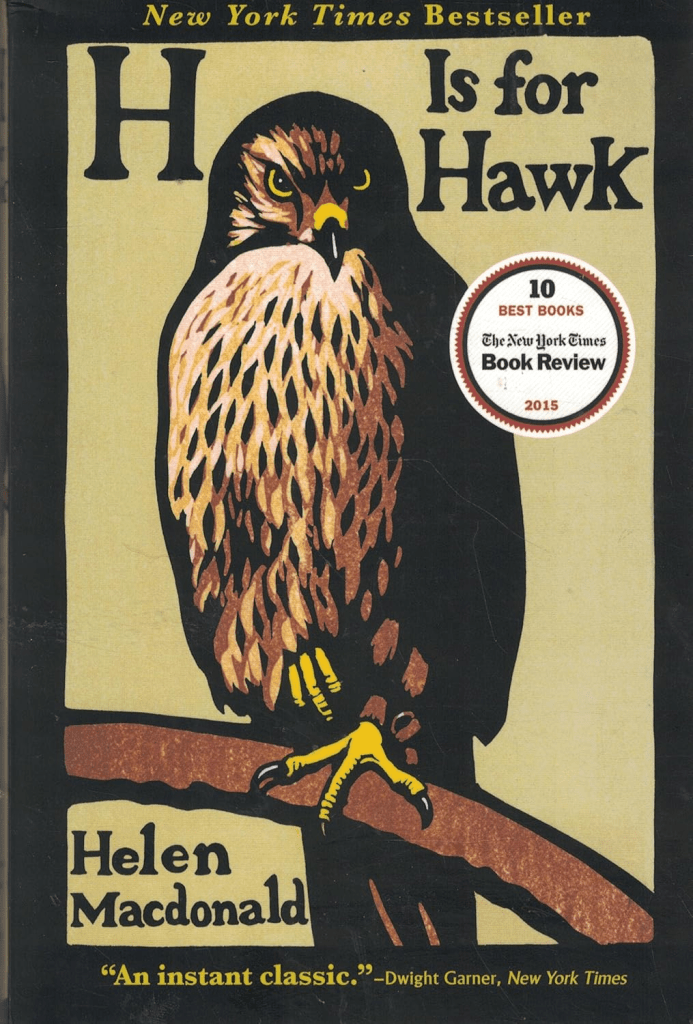
When a book grabs my attention, I tend to go a smidge overboard in experiencing it. Such is the case with Helen Macdonald’s memoir about training a a goshawk she named Mabel. I am immersing myself in Macdonald’s H is for Hawk through her book, a BBC documentary about her training a different goshawk, rereading it through the thoroughly enjoyable audiobook, and I just finished watching the amazing Claire Foy in the film based on the book.
While I am familiar with the ancient sport of falconry, Macdonald’s book shows how little I actually know about it. For one, there are very specific terms I needed to learn in order to better understand her work with Mabel. As a bonus, the Word Nerd side of me discovered there many everyday expressions that are derived from falconry.
Bate: When a bird flaps its wings while perched, mimicking flight. It’s a restless action.
Stoop: When a bird folds its wings into its body, which makes them more aerodynamic, creating the ability to move through the air much faster to catch their prey.
Imprint: When a bird is raised by someone other than their mother. Rescued fledglings will often be raised by humans, nurturing them until they can be released.
Tiercel: A male falcon.
Soar: When a bird “surfs” on a thermal of air, resting between flying.
Diurnal: Hunting during the daytime.
Nocturnal: Hunting during the nighttime.
Crepuscular: Hunting during dusk and/or dawn.
Quarry: Game that is hunted by birds.
Flush: When dogs cause the game to rush out from its cover so it can be hunted.
Pass: When a bird flies with the enticement of a lure or when the male presents food to a female during the mating process.
Casting: Securing a bird in a manner that minimizes the stress of the action to the bird, and is also the reference to the bird’s pellet.
Pellet: The indigestible parts of a bird’s prey, regurgitated up as a small ball.
Lure: A small horseshoe-shaped device attached at the end of the line to attract the attention of the bird, usually decorated with feathers.
Swivel: The metal object that turns and spins while securing the bird’s jesses.
Jesses: These are leather straps that hold the bird while they perch on the fist.
Fist: The falconer wears a leather glove to protect the hand and forearm, and this is where the bird perches.
Coping: The act of filing back a bird’s beak.
Manning: The time spent with a bird as a means of getting the bird accustomed to the falconer’s presence, with the goal of gaining the bird’s trust.
Rouse: The act of a bird raising its feathers and shaking them, usually in doing so they are shaking off debris, realigning their feathers, or trapping heat.
Now for some everyday expressions derived from falconry:
Under the thumb: Falconers maintain control of their birds by holding the bird’s leash under their thumb while the bird is perched on their fist. Today’s meaning implies having control over someone, not necessarily in a beneficial manner. “She had her personal assistant firmly under her thumb.”
Hoodwinked: To keep a bird calm a small hood was placed over their head, getting tricked into thinking it was night, and it would get into a restful state. The modern use of this expression means getting tricked or scammed into doing something such as, “I thought that link was from my bank. It turns out I was hoodwinked and lost a significant amount of money.”
Fed up: A bird that eats too much will have no incentive to hunt and is unwilling to work with the falconer. Today, if someone is “fed up” that usually means they have reached their limit and will no longer cooperate.
Wrapped around their little finger. To provide extra security beyond holding the leash, a falconer might wrap the strand of line around their little finger, so even if the bird broke free it would still remain tethered. Today, if someone uses this expression it indicates the person is under control by another person as in “No worries, I have my dad wrapped around my little finger.” SEE: “Under the thumb.”
If you enjoy memoirs about animals and humans interacting together, I highly recommend Helen Macdonald’s H is for Hawk. Do read the book before watching the film (streamed through Kanopy). The audiobook adds the dimension of hearing Helen’s emotional journey.
Oxford English Dictionary editors recently revealed that “run” has indeed become the single word with the most potential meanings in all of English, boasting no fewer than 645 different usage cases for the verb form alone.
No, I will not run the list, but here is the link for you to run over and peruse. Since you might run out of time reading all the definitions, this is merely a glance. Enjoy.
There are novels that are infused with such a delightful new-to-me words that I end up frequently interrupting my reading to look up the definitions. I am guilty of word collecting. I cannot do the Linus quirk of skipping over words I am unfamiliar with upon discovery.
Some authors like Mcall-Smith of The No. 1 Ladies Detective Agency are quite adept at inserting the occasional stumper. It’s par for the course to come across a rich lexicon when reading classic novels such as Jane Eyre (I kept entire page dedicated to collecting her vocabulary).
Collecting words is what makes a Word Nerds heart go skippety skip and so it sheer delight to discover Susie Dent’s Guilty by Definition. The setting is a renowned dictionary establishment in Oxford (yes, it does ring a bell). It isn’t long before this band of erudite editors start sleuthing. Amateur detectives are not unique. What makes Dent’s book standout is her ability to surreptitiously weave in weighty words and archaic delights not only as chapter headers but within the text. They impressively serve as foreshadowing while providing a witty lexicon lesson.
Here are a few textual examples I jotted down while reading:
falsedict: an untrue utterance
mountweazel: fictitious entry in a dictionary
vellichor: the musty smell of old books
apricity: the warmth of sun on a winter’s day
respair: recovering from despair
kything: the recognition of old friends in a crowd
bellywengins: a small beer
dallop: the missed patch of ground by the plow
rackups: consequences of ill-doing
sonder: the realization other people have rich and complicated lives we will never know
susurrus: low soft whispering or low rustling
mubble-fubbles: eve of something unpleasant dose of the blues
tidsoptomist: a time optimist
finifugal: not wanting the story to end; stalling the ending; drawing it out
Aren’t they delightful?
Words by Definition absolutely created a feeling of finifugal. Fortunately, the dictionary detectives are rumored to appear in a sequel.
Can’t wait. My Word Nerd heart awaits in anticipation.
A healthy portion of my reading and viewing interest involves British ones, (or UK, since I like a good go at Scottish stories), and while I can mostly figure out context, there are times when the chosen vernacular requires clarification.
As a subscriber to Dictionary. com (you should if you haven’t yet–it’s a must for bonafide Word Nerds) I daily get delivered, warm and fresh, new ways to look at words. Recently the focus for the day was how some words look the same but are either pronounced differently or mean something differently depending which country the story hails from. Viva la difference UK and USA.
Some choice examples: American (Big Apple) British (Big Ben)
football=soccer
cotton candy=candyfloss
apartment=flat
french fries=chips
cookie=biscuit
cell phone=mobile
parking lot=car park
awesome=brilliant
Should the next time you read a PD James or tune in for a BBC show and if what the characters say leave you flummoxed, it’s hoped that you’ll be more on the uptake from getting the low down.
It’s amazing how we can go in life not realizing there are specific words for everyday aspects. For instance, there are succinct terms for certain body parts that we might be totally oblivious even exist.
So–how many do you know?
1. philtrum: that little dip above your upper lip underneath your nose
2. lunula: the half moon at the bottom of your nail
3. glabella: the space between your eyes
4. canthus: the place where your upper and lower eyelids touch
5. columella: the strip of skin between your nostrils
6. purlicue: the skin fold between your thumb and index finger
7. tragus: the bump that is near your ear opening
8. uvula: the part that hangs at the back of your throat
9. gnathion: the point of the chin
10. nasion: the dip between the eyes above the nose
11. axilla: the term for armpit
12. sternum: the bone in the middle of your chest
13. zygoma: the term for your cheekbone
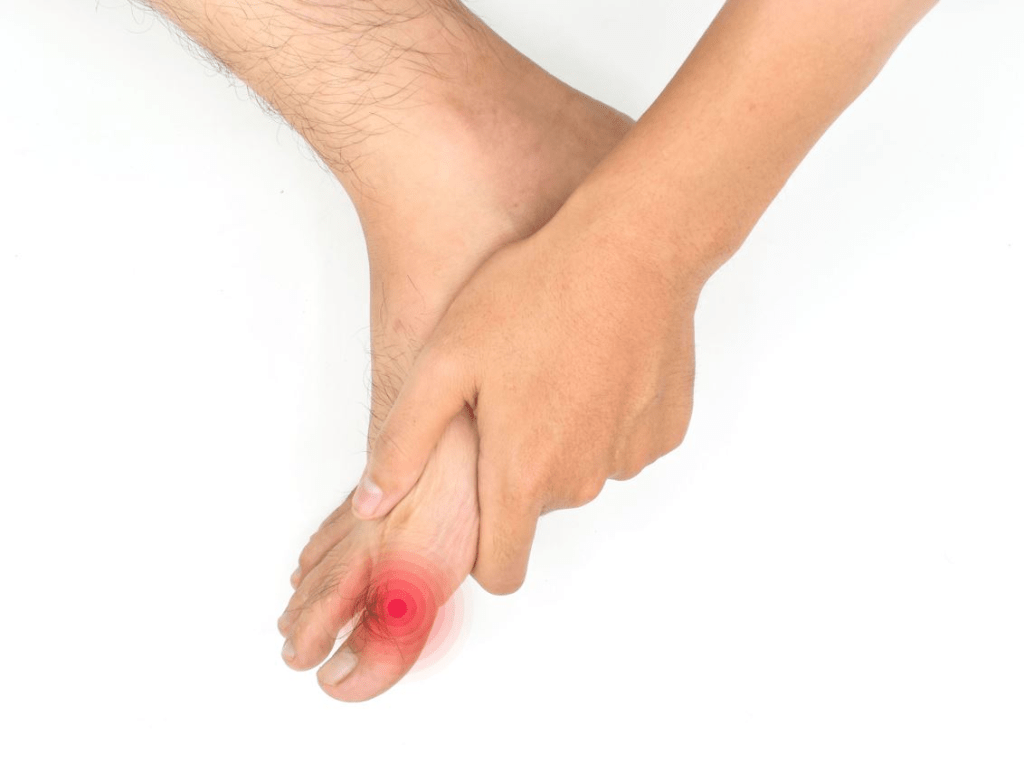
14. hallux: the term for your big toe
15. pinna: the outer shell of your ear
How did you do? Maybe you did better than me.
I knew “philtrum” from my university days of studying speech therapy as a possible career (which I did not pursue), “uvula”–same class, and “sternum” from taking CPR.
Now how does one work these into a conversation without sounding like a med student?
Perhaps:
“The wind blew fiercely across her zygoma and nipped her pinna, causing her to long for the cheery fireside awaiting her at home.”
Or:
“Already late for his appointment, Phillip angrily kicked the flat tire of his Mazda pickup truck immediately rendering a pain to his hallux.”
Doubtful:
“Watching the 747 taxi down the runaway, Alice closed her eyes at this final farewell, with a tear barely contained within her canthus.”
I’m almost adjusted to the annual switcheroo, although that shock and surprise of darkness descending at 4:30 pm and waking up at 6 am and thinking it must be the middle of the night because it is so depressingly dark never has become something I’ve grown used to over my lifetime of turning the clocks back one hour in the fall.
Whew-a paragraph of quiet rant. Thank you for allowing that. I do feel better.
With time on my mind, I thought I would dedicate this month’s Word Nerd post to words that reflect time. Ready?
At least one full page!
How are you coping with the time change. You are excused if you are from Hawaii or Arizona.
Your search for that precise descriptor has ended with this batch of discovered words. I must admit I am familiar with “twaddle” and have come across “quidnunc” no doubt due to those old English mystery novels from the forties that I favor.
kyoodle: to bark or yelp noisily or foolishly
gloze: to explain away
twaddle: silly, tedious talk or writing
otiose: serving no practical purpose or result
recondite: relating to, or dealing with something little known or obscure
parlous: full of danger or uncertainty
drouk: to drench
elucubrate: to produce (something) by long and intensive effort
opprobrium: harsh criticism or censure
quidnunc: person who seeks to know all the latest news or gossip
I need to find a way to work “kyoodle” into a conversation.
Which three letter word sports the current title of having the most definitions?
A. lie
B. set
C. run
Lie?
Sorry—only two : to tell something that is untrue or to assume a horizontal position.
I’m not lying about not taking word knowledge lying down
Set?
Previously the champ, the Oxford English Dictionary (OED—THE leading dictionary) tagged it with 200 meanings, starting with the expected “put or lay something down” and then running on for another 32 pages with various meaning. Speaking of run—
Run?
Congratulations on this pick as the OED folk have determined that this little word carries a whopping 645 definitions. Impressive, right?
Here’s a sample (taken from RD.com)
When you run a fever, for example, those three letters have a very different meaning than when you run a bath to treat it, or when your bathwater subsequently runs over and drenches your cotton bath runner, forcing you to run out to the store and buy a new one. There, you run up a bill of $85 because besides a rug and some cold medicine, you also need some thread to fix the run in your stockings and some tissue for your runny nose and a carton of milk because you’ve run through your supply at home, and all this makes dread run through your soul because your value-club membership runs out at the end of the month and you’ve already run over your budget on last week’s grocery run when you ran over a nail in the parking lot and now your car won’t even run properly because whatever idiot runs that Walmart apparently lets his custodial staff run amok and you know you’re letting your inner monologue run on and on but, gosh—you’d do things differently if you ran the world. (And breathe). Maybe you should run for office.
And I have run the course on this post. Until next time.