Pam Webb

a writer's journey as a reader

Archive for the category “popular books”

Really Good Reads:


Open book with text 'Reading Challenge Sparking Joy & Imagination!' and 'Reading Challenge Explore The World!' with colorful fireworks emerging from it
Reading Challenge completed!

As of June 8th, I hit my yearly goal. Still not sure how I read 101 books since January. I think it’s because I have stopped playing Angry Birds. Just a thought.

I don’t remember how I came across Goodreads, yet it has made a huge impact on my reading life. Not only am I able to look up books, I can read reviews before committing to a book, but more importantly I can keep track of the books I’ve read. It’s disconcerting how many books I have started, wondering why the plot sounds familiar. Goodreads reminds me I’ve read it before, usually about three years ago.

You’re right. I should remember my books. I should also remember all my former students’ names, especially when they remember me when we surreptitiously meet in stores, at the library, sometimes in restaurants, but I fail at that as well. Too bad there isn’t a Goodteach, where I could log in so I can quickly look my students up, then again there are probably concerns about data collecting.


Onward–

Goodreads also helps me in reading choices as I deliberate upon a book that catches my eye.

Ratings and reviews can make a difference; however, while I acknowledge they are helpful and can sway my decision in whether or not to add a book to my TBR list, or my book bag, when it comes to writing a review I have my own system.

Goodreads uses a 5 star rating system with the following definitions:

1 star

1 star – didn’t like it

2 stars

 2 stars – it was OK

3 stars

 3 stars – liked it

4 stars

 4 stars – really liked it

5 stars

5 stars – it was amazing

Since I began the Goodreads Reading Challenge several years ago I have developed my own rating system:

⭐️ ⭐️ ⭐️ ⭐️ ⭐️ 5 stars–memorable, highly recommend, can’t wait to share this find with others

⭐️ ⭐️ ⭐️ ⭐️4 stars–likable, a couple of aspects were bothersome (e.g. characters, plot development, writing style, etc.)

⭐️ ⭐️ ⭐️ 3 stars–read it, although skip read some parts due to triggers, or parts were somewhat boring or redundant, or the book rankles my verisimilitude tolerance (I leave the rating blank since I dislike leaving negative commentary)

⭐️ ⭐️ 2 stars–if a book is just okay I usually don’t finish reading it which means no review and if I don’t read the book how can I justify leaving a review? It gets marked Did Not Finish so I won’t get tempted again (which does happen—a great title tends to lure me in).

⭐️ 1 star–some Goodreads readers save this rating for books they hate. Why did they even read it then. I know right away if I don’t like a book, usually by the first couple of pages. Honestly, if I didn’t read the book, I simply mark it as a DNF and leave no review.

Do you have a rating system?

Also, do ratings and reviews influence whether you read the book?

Reader Roundup: October/November


Somehow I lost track of my really good reads from October and I just about missed November’s reads. Here are my five star books from those months.

The Detective’s Assistant by Kate Hannigan

Hannigan presents an engaging embellishment of Kate Warne, a Pinkerton detective, and apparently America’s first woman agent.

While not much is known about Warne, the addition of her orphaned niece, Nell, is what drives the plot. Together they solves cases ranging from murder to preventing the assassination of president-elect Abraham Lincoln.

A coming of age story with a thread of history makes this a book middle readers will want to check out, then again this middle aged reader found it an engaging read as well.

Cloud Cuckoo Land by Anthony Doerr

Doerr presents an inventive, mesmerizing tale in the way of a tapestry. Throughout the book readers experience the backside of the tapestry, the chaos of threads intermingled, making it difficult to see the full rendering. The intermingling of characters and situations ranging from far future to distant past to present in Cloud Cuckoo Land is both amazing and puzzling at times, and then the understanding is revealed in the end chapters, just as the flip side of the tapestry reveals the completed picture.
Doerr is an artist of words and a storyteller of significance. His detail and pacing are admirable. His ingenuity as well. A very different story from his first novel, All the Light We Cannot See, yet CCL still showcases the talent of this writer.

The Library by Bella Osborne

The book had me at its title. Then there is the blurb: A book about how a library on the cusp of closure introduces an intergenerational friendship. The read was lovely and was difficult to set down.

The House of Unexpected Sisters by Alexander McCall Smith

At first the plot lumbers along with its usual disagreements between Precious and Grace about what is right (Grace can be tediously obstinate), it’s driving about in the tired white van, and it’s odd case or two that seemingly goes nowhere.

However, this story has an amazing twist near the middling end will impact future books. This twist definitely raised the rating by injecting some new spice into series.

An Old, Cold Grave (Lane Winslow #3) by Iona Whishaw

Having finished the Maisie Dobbs series by Winspear I was casting about for similar series and discovered Whishaw’s Lane Winslow books on the library’s new arrivals shelf.

Lane Winslow has settled into Kings Cove, Canada after her WWII service, and it is not turning out to be the idyllic place to escape the aspects of danger she experienced during the war.

The first two books were recent murders, this plot focuses on the mystery of a child’s skeleton found when a household of women were repairing their root cellar. Lane once again finds herself in the middle of the investigation and in harm’s way.

With a few more books to go in the Kings Cove series Lane is filling in for Maisie Dobbs quite nicely.

It Begins in Betrayal (#4) by Iona Whishaw

The fourth in the Lane Winslow series provides readers with a tightly-paced plot involving Lane’s friend InspectorDarling being framed in order to recruit Lane back into intelligence work.

A Sorrowful Sanctuary (#5) by Iona Whishaw

Whishaw ups her game in this fifth series entry with a fine balance of intrigue, murder, and interpersonal drama.

The opening scene of Lane and her friends discovering a mortally wounded man drifting in a boat sets up the story, one that is riveting in many ways, including the developing romance between Lane and Inspector Darling.

Going into December with 158 books read towards my annual goal of 101 I am now hoping to surpass my all-time best of 165 books from 2020. I had a bit of downtime that year, and reading was also a way of coping with the stay-at-home during that year. Retirement is proving to be boosting my reading rate, although staying at home is more choice than a mandate and that is perfectly fine with me.

Cowabunga!


The all important Cow Appreciation Day just about snuck past me but my handy National Day calendar alert informed I needed to pay attention. Cows are beyond special—they are bovine.

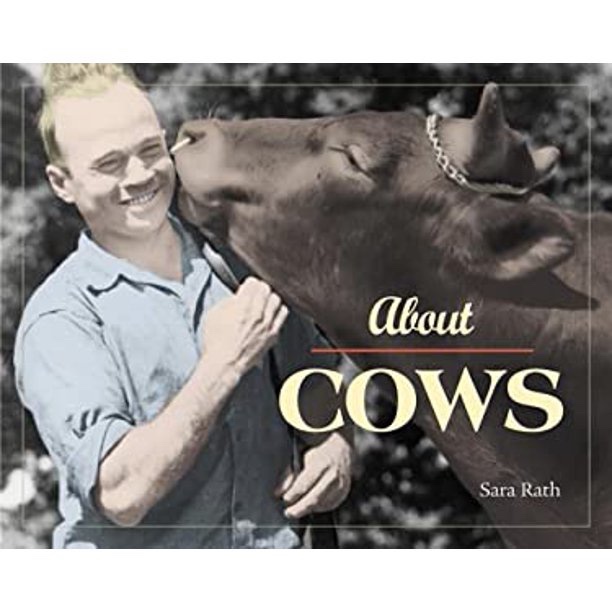
Having grown up around cows, and having lived across from a dairy farm for twelve years, I have an either an affection or a affectation for cows. I have gathered and created a plethora of cow jokes and cow facts and created a book that unfortunately no publisher is interested in at the moment. That doesn’t stop me from appreciating what Sandra Boynton has done for the cow with her winsome cowtoons and book. Gary Larson has also shown an affinity for cows. One of my other favorites is About Cows. There are scads of other books that regale cows from Dr. Seuss to meditative cows. Maybe the market isn’t ready for yet another tribute to cows.

Sandra Boynton knows her cows
Gary Larson goes to the Far Side about appreciating cows
Embracing the love of cows

Then again, why not? I’m not giving in or giving up even because cows are cool and the world cud appreciate another udderly cow time.

Here are some of my favorite cow jokes I like to toss out to unsuspecting listeners:

Why are dairy farms so noisy? Too many cows have horns.

If good cows go to heaven where do bad cows go? The udder place.

Why did the farmer place bee hives in his pasture? He wanted to live in the land of milk and honey.

What goes “oom oom oom”? A cow walking backwards.

And my parting riddle—

What is the best way to make a milkshake? Have it jump on a pogo stick.

I would love to hear your thoughts on why cows are so cool or a really good cow joke—I have enough bad ones.

Year in Books: Good Reads and Then Some


A reader’s best friend

I’m ever so glad I found Goodreads. Not only does it help in discovering books to read, it more importantly keeps track of the books I have read. Lately I am reading books I have read previously. Goodreads confirms this. I’m contemplating the implications of this reading overlap.

Never mind deep contemplations on my reading habits. Here are the brass facts: according to Goodreads I read 155 books by December 30th. I don’t log books that are DNF (did not finish), which are more than I want to acknowledge this year. Apparently I am becoming more discerning in my book selections.

Instead of the usual how many pages, most popular, least popular factums I thought I would give 746 books activity a try. Using this year’s book list I answered posed suppositions:

  • In high school I was Here and Now and Then (Mike Chen)
  • People might be surprised by The Ethan I Was Before (Ali Standish)
  • I will never be Maisie Dobbs (Jacqueline Winspear)
  • My life post-lockdown was Little Broken Things (Nicole Baart)
  • My fantasy job is The Finder of Forgotten Things (Sarah Loudin Thomas)
  • At the end of a long day I need The Maid (Nita Prose)
  • I hate being The Accused (John Grisham)
  • Wish I had The Cat Who Saved Books (Sosuke Natsukawa)
  • My family reunions are To Disguise the Truth (Jen Turano)
  • At a party you’d find me with Birds of a Feather (Jacqueline Winspear)
  • I’ve never been to The Last Bookshop in London (Madeline Martin)
  • A happy day includes The Ingredients of Love (Nicolas Barresu)
  • Motto I live by: The Art of Holding On and Letting Go (Kristin Lenz)
  • On my bucket list is The Island (Gary Paulsen)
  • Next year I want to have What the Fireflies Knew (Kai Harris)

That was fun and enlightening. Maybe my book choices reveal more about myself than I am aware of. Hope your year of books was enjoyable and here is to next year!

Summer Reading Bliss


A Round Up of Good Reads: 2021


My Year in Books
Good Reads of 2021

THE DETAILS:
Pages read: 29,532
Books read: 102
Shortest book read: 40 pages

Ada's Violin by Susan Hood
So inspiring!

Longest book read: 1,008 pages

Shakespeare After All by Marjorie Garber
A bounty for Bardinators

Average book length: 289 pages
Most popular: Matt Haig’s The Midnight Library–over 1 million reads (although I did not favor it)
Least popular: Lucius Adelno Sherman’s What is Shakespeare: An Introduction to the Great Plays (not everyone appreciates Shakespeare)
Average book rating: 4.3 (I must be particular)
Highest rated by Goodreads readers:

Project Hail Mary by Andy Weir
Captured a 4.51 rating–a likable read, no doubt a movie is in the making

First review of the year: One Hundred Years of Children’s Books in America, Decade by Decade edited by Jane Yolen and Marjorie N. Allen. An underrated and overlooked sampling of books and the history of America from the early 1800s to the 1990s–would like to see a more current edition.
Five star rated books: 11 (I really am particular discerning)

Hitting my reading goal of 101 (the year isn’t over yet) creates a fine sense of accomplishment, especially since it became increasingly more difficult to sit down and focus on reading. After school started I found myself with a certain lassitude that gravitated towards passive viewing of animal shows, Western movies, and of course, my old standby of Dr. Who reruns.

Your Turn:
Did you hit your reading goal for the year?

Any stand out reads? I’m always looking for the next TBR item.

BookStop is Here!


Reader Round Up: May


Even though I read seventeen books last month, which keeps me at six books ahead of schedule, May’s five star reads were slim. There were several enjoyable reads, yet only one good read, or in this case a great read.

Cry, the Beloved Country by Alan Paton

Published in 1948, Paton’s book became a recognized bestseller that still has relevance today. The story of two fathers, one an umfundisi, a native reverend of a poor district, and the other a white landholder who owns a successful farm, High Place. Each father loses their only son, one by the hand of the other, yet the sons’ death brings these men together during a time when racial tensions are rising to a concerning level. A searing portrayal of the pain of separation–separation of family, separation of traditional values, separation of people inhabiting the land, the country. This was a rereading as I wanted to teach it as a unit to my juniors. So far it’s been well received. Plus, I don’t mind having an excuse to familiarize myself with excellent literature.

Cry, the Beloved Country by Alan Paton | BookDragon

Any of you read at least one really notable book in the month of May?

Reader Round Up: October


With the first month of school squared away with its new expectations and schedule, I felt a bit more at leisure to read in the evenings.

I’m finishing up my foray into Newberry winners and I am discovering the older titles can definitely hold the attention. I am also trying to whittle down my TBR list, and at this point the titles left are going to be though my library’s inter-library loan system, unless they value my request enough to purchase (that is always a fun surprise).

Here are the highlights of October:

The Confessions of Charlotte Doyle by Avi
⭐️ ⭐️ ⭐️ ⭐️ ⭐️

The True Confessions of Charlotte Doyle Book Review
Goodreads

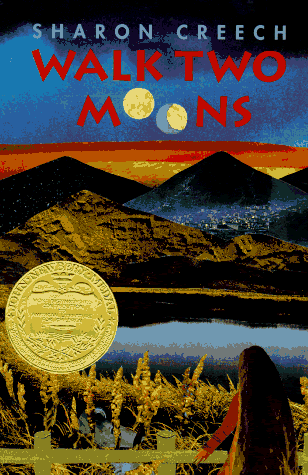
Walk Two Moons by Sharon Creech
⭐️ ⭐️ ⭐️ ⭐️ ⭐️

Read-at-Home Mom: Book Review: Walk Two Moons by Sharon Creech (1994)
Goodreads

Amelia to Zora: Twenty-Six Women Who Changed the World by Cynthia Chin-Lee ⭐️ ⭐️ ⭐️ ⭐️ ⭐️

Amelia to Zora: Twenty-Six Women Who Changed the World by Cynthia Chin-Lee
Goodreads

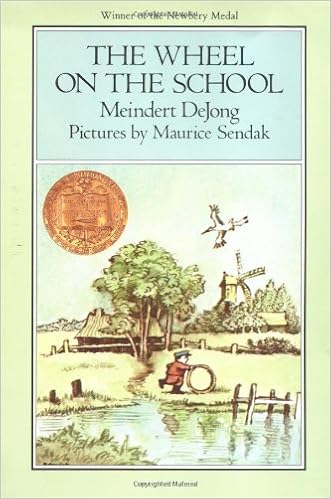
The Wheel on the School by Meindert DeJong
⭐️ ⭐️ ⭐️ ⭐️ ⭐️

Amazon.com: The Wheel on the School (9780064400213): DeJong, Meindert,  Sendak, Maurice: Books
Goodreads

With the hour turned back the evening comes just that much sooner, and the lingering outside in the fading autumn afternoon warmth is less appealing as the shadows overtake my outdoor reading nooks. More reason to cozy up inside in my lounger and linger longer in my reading.

Debatables: March–What’s So Funny?


Time for another round of Debatables, where Mike Allegra, my partner in literary pettifog, and I take on meritable topics such as “Who is the Most Appealing Mouse of Middle Grade Fiction” and make quite a fuss. Sometimes Mike wins, and sometimes I do. Like last month. Just saying.

This month we take on the serious topic of “The Funniest Picture Book.” Now, I could be at a disadvantage because Mike is truly a funny guy. His family stories are a hoot. I shall strive for another win. Like last month. (oh dear, I promised Mike I wouldn’t crow).

Here are the Debatables ground rules:
Each debater is allowed one brief argument (fewer than 300 words) on a previously agreed-upon topic. These brief arguments will then be followed by a briefer rebuttal (fewer than 150 words).

For my Funniest Picture Book entry I nominate:

46677

Yes, this book is so funny it’s been a play at the Kennedy Center, a TV special, AND a Disney movie.


Mike suggests:
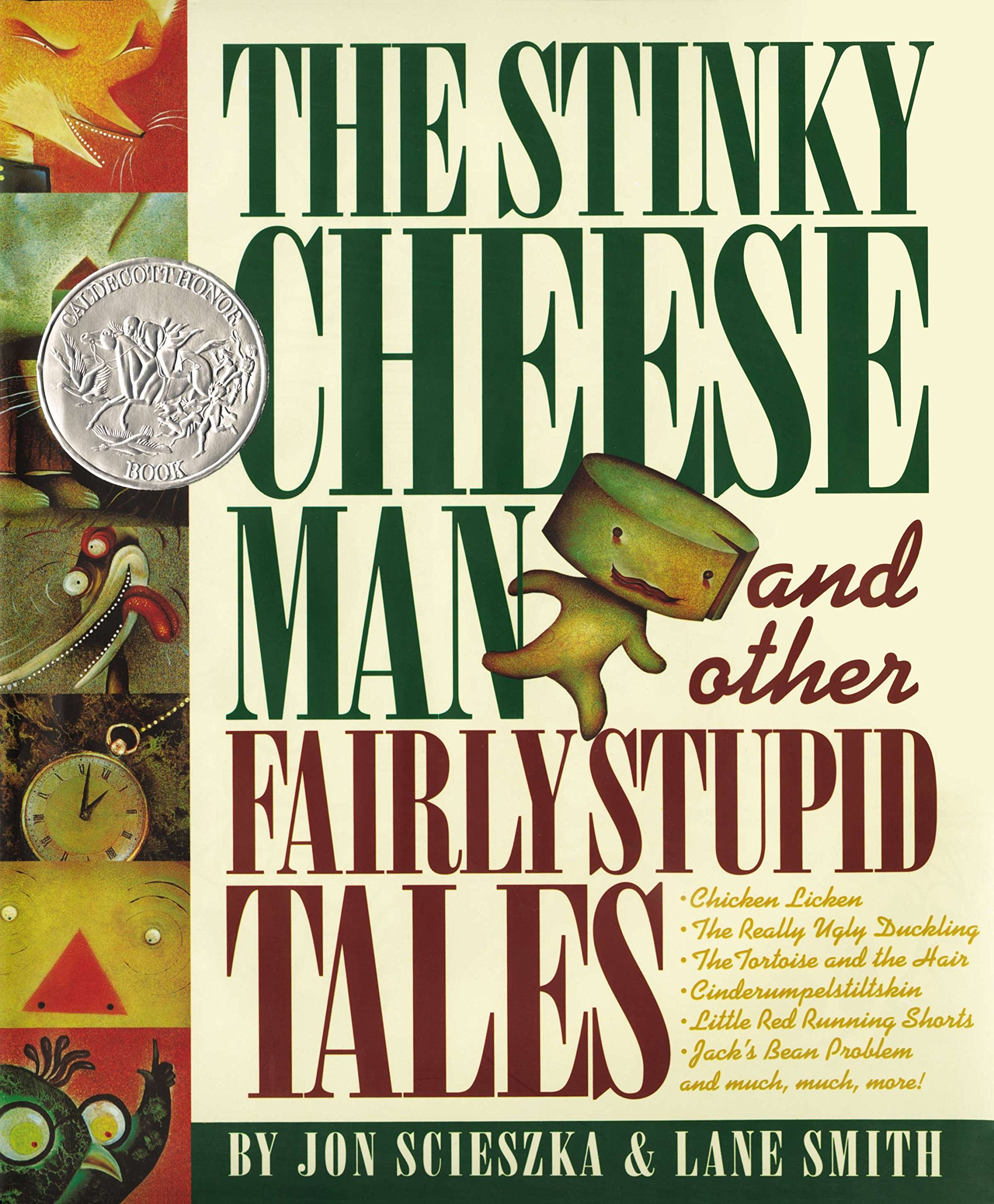
Image result for stinky cheese man

Okay, fine–it won an award

Cricket’s Turn:
Some days just start out wrong, and keep getting worse. Having a bad day, especially from a kid’s point of view, is what Judith Viorst’s classic picture book is all about. Alexander and the Terrible, Horrible, No Good, Very Bad Day is just that–a really bad day in the life of six year old Alexander.

This is one of those books that is a perfect blend of text and illustrations. Viorst succinctly states with comic vaudevillian timing the woes of Alexander’s day. Ray Cruz’s illustrations deliciously capture Alexander’s expressions. Like this one:

Image result for alexander and the terrible horrible no good very bad day illustrations

Alexander wakes up with gum in his hair, he trips on his skateboard, and drops his sweater in the sink. And that’s just the start of his day. He’s smushed in the car pool, his friends snub him, he leaves out 16 in counting, and there’s no dessert in his lunch. And the day just gets worse. There is also the running gag of moving to Australia.


Alexander’s no good day is relatable. This is a book anyone from 6 to 96 can enjoy. The story is funny. The illustrations are funny. Alexander’s bad day is a good funny, because all bad days come to an end. Viorst knows this and doesn’t sugarcoat the terrible, horrible of the Alexander’s bad day. They just happen. And when they are done we can laugh about it.This is a book that parents and children can read and laugh about together. Bad days happen. They just do. It’s cathartic to laugh about them. A book, a play, a TV special, a movie–people can’t get enough of this story.

Image result for alexander and the terrible horrible no good very bad day illustrationsMike’s choice of The Stinky Cheese Man is commendable, yet its satirical humor leans towards mean. The gentle humor of Viorst and Cruz is family friendly and it’s made for kids. TSCM? Do kids, little kids, the ones picture books are supposed to be for, really get that crazy, hyperbolic humor? Hmm, to each their own kind of funny. Alexander is cute. The cheese man is, well, stinky. What’s so funny about a stinky cheese man?

Mike’s Argument:
“Gentle humor” and “funniest” aren’t synonyms. Not even close.

Is Alexander And The Terrible Horrible No Good Very Bad Day a good book? Yes. It is an excellent book. It may even be a better book than The Stinky Cheese Man.

But hardly anyone could say it’s funnier. And this debate is all about the funny.

AATTHNGVBD generates warm, nostalgic smiles. But Stinky Cheese gets laughs. When my son was little, I read him both Alexander and Stinky. He liked them both, but only laughed at Stinky. Heck, the book still makes him laugh. It still makes me laugh, too.

In this compendium of “fairly stupid tales,” an ugly duckling grows up to be really ugly. A “frog prince” is is fraud, one who just likes smooching (and cares little about the slime he leaves behind on princess’ lips). The titular Stinky Cheese Man, like The Gingerbread Man, runs away to avoid being eaten; but nobody is chasing Stinky Cheese because, well, he stinks something nasty.

Lane Smith’s illustrations greatly contribute to the book’s comic tone. His ugly duck, for example, is not just a dippy, drooling disaster; he is a happy, dippy drooling disaster. He’s ugly. He knows it. And he’s cool with it. What could’ve been a cruel story in the hands of a lesser illustrator, is hilarious, for Smith’s duck seems incapable of hurt feelings.

Image result for stinky cheese man ugly duckling

And let’s not forget the character that ties all these ridiculous tales together. Jack the Narrator accidentally drops the table of contents on Chicken Little’s head. He spoils the ending of “Little Red Riding Shorts.” And, in a great running gag, he tangles with a very belligerent giant.  

Nope, no “gentle humor” here. The Stinky Cheese Man is brash, wildly original, and comic gold.

Cricket’s Rebuttal:
Some people like obvious humor that’s a bit loud:

Image result for stinky cheese man cow

This cow is flabbergasted that a stinky bit of cheese is remotely funny

Others enjoy the subtle comedy of a facial expression or comment can evoke:

Image result for alexander and the terrible horrible no good very bad day illustrations dad office

It comes down to what’s funny to an individual. In a world that dwells on harsh and mean, I much prefer the gentle humor of a boy coping with a bad day where delightful illustrations accompany witty commentary. It’s relatable, enjoyable, and resonates with good vibes long after I’ve read it. I smile just thinking about Alexander. He lightens my bad days. I choose him over slimy frogs and the stink of rude, cheesy banal jokes.

Mike’s Rebuttal:
You’re right, Cricket, one’s interpretation of “funniest book” will always be subjective. But you’re not making an argument for The Funniest Book; you’re making an argument for The Most Relatable, Resonant, Warm, Fuzzy, Good Vibe-ist Book.

C’mon, you! Yes, I’m looking at you, Cricket—with your smart aleck ways, plethora of puns, and encyclopedic knowledge of weird cow jokes. Let’s get real.

You might love AATTHNGVBD—and you should love it—but you know which book generates more honest-to-goodness laughs. Stinky Cheese pulls out all the stops. One page is upside down. Another page contains a Surgeon General’s Warning. Another page is blank because the diva-ish main characters walked out of the story in a huff. Stinky Cheese is a layered, visual and verbal feast of funniness.

The book blazed a new trail in no-hugging-no-learning meta fiction. And readers laughed. So did critics. So did the Caldecot judges. So did I. And—admit it—so did you.


Well, there you have it. You, our most marvelous readers, now have the opportunity to add in your own commentary about which of the two books is the funniest. And while we appreciate your suggestions, we really, really want you to stick with what you see here: either Alexander and the Terrible, Horrible No Good Very Bad Day  or The Stinky Cheese Man.

Thanks for stopping in and thanks even more for your comments and votes.

Post Navigation