Pam Webb

a writer's journey as a reader

Archive for the tag “books”

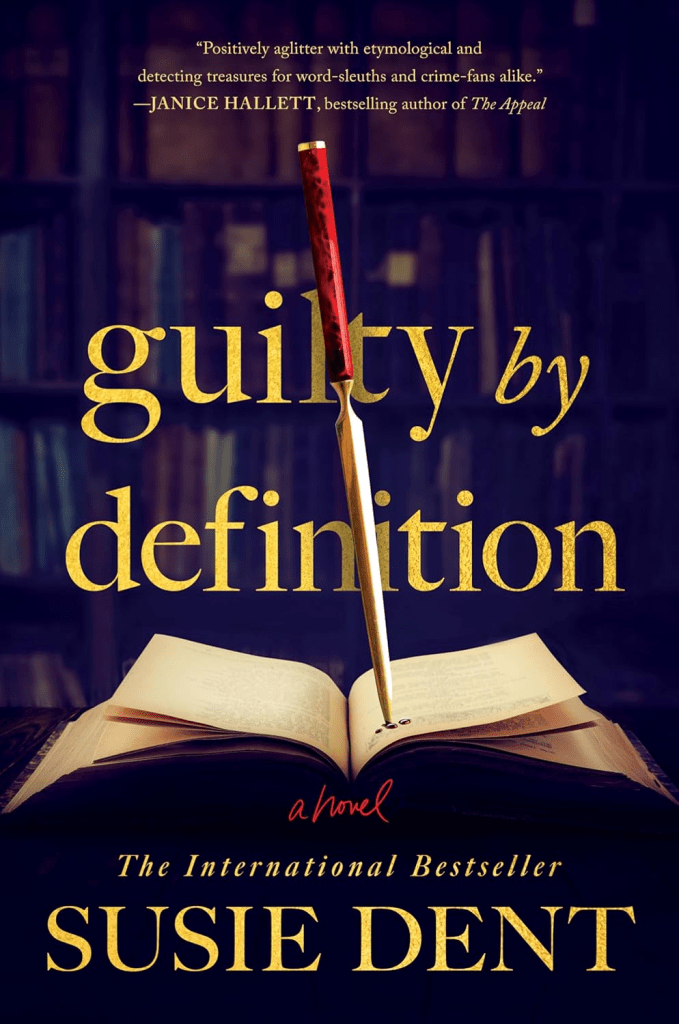
Word Nerd: Guilty of Definitions


There are novels that are infused with such a delightful new-to-me words that I end up frequently interrupting my reading to look up the definitions. I am guilty of word collecting. I cannot do the Linus quirk of skipping over words I am unfamiliar with upon discovery.

Some authors like Mcall-Smith of The No. 1 Ladies Detective Agency are quite adept at inserting the occasional stumper. It’s par for the course to come across a rich lexicon when reading classic novels such as Jane Eyre (I kept entire page dedicated to collecting her vocabulary).

Collecting words is what makes a Word Nerds heart go skippety skip and so it sheer delight to discover Susie Dent’s Guilty by Definition. The setting is a renowned dictionary establishment in Oxford (yes, it does ring a bell). It isn’t long before this band of erudite editors start sleuthing. Amateur detectives are not unique. What makes Dent’s book standout is her ability to surreptitiously weave in weighty words and archaic delights not only as chapter headers but within the text. They impressively serve as foreshadowing while providing a witty lexicon lesson.

Here are a few textual examples I jotted down while reading:

  • falsedict: an untrue utterance 
  • mountweazel: fictitious entry in a dictionary 
  • vellichor: the musty smell of old books 
  • apricity: the warmth of sun on a winter’s day
  • respair: recovering from despair 
  • kything: the recognition of old friends in a crowd 
  • bellywengins: a small beer
  • dallop: the missed patch of ground by the plow
  • rackups: consequences of ill-doing
  • sonder: the realization other people have rich and complicated lives we will never know
  • susurrus: low soft whispering or low rustling 
  • mubble-fubbles: eve of something unpleasant dose of the blues
  • tidsoptomist: a time optimist
  • finifugal: not wanting the story to end; stalling the ending; drawing it out

Aren’t they delightful?

Words by Definition absolutely created a feeling of finifugal. Fortunately, the dictionary detectives are rumored to appear in a sequel.

Can’t wait. My Word Nerd heart awaits in anticipation.

Reading Roundup: March 2026


Tooting my reading horn 🎉I am amazed to report having chalked up 55 read books already! That is impressive, isn’t it? March picks were better than usual with 7 really good reads.

My reading habit has increased tremendously since retiring. It’s gone beyond being a bibliophile. ’m a book junkie, it’s true. I need at least one book to read, two waiting, three I couldn’t resist from the freebie cart, and at least four that I have requested. Fortunately, volunteering at the library, subscribing to newsletters and blogs about books continually feeds my need to read. And since the books are free through the local amazing library I save so much money. That is my PSA toot because April includes Librarian Appreciation Day.

Here are the five 🌟reads for March:

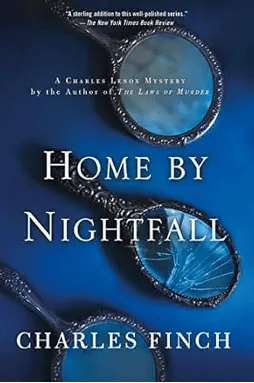
Home by Nightfall (Charles Lenox #9) by Charles Finch

A well-rounded plot that has two separate challenging cases that keep the pages turning as Lenox travels between London and the English countryside trying to solve them. A few inserts of humor, plus updates on family matters, make this one of Finch’s more engaging entries in his Charles Lenox, gentleman detective series.

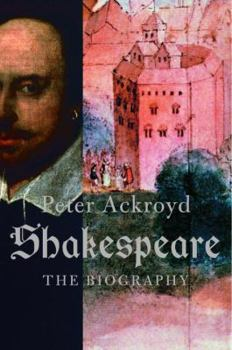
Shakespeare: The Biography by Peter Ackroyd

Many available biographies approach Shakespeare’s life either in supposition or upon a platform built on a focus, such as a certain year or event. Ackroyd supplies facts about Shakespeare through research involving the life, times, and people surrounding him, rarely straying into conjecture, rather building his biography of Shakespeare through context.


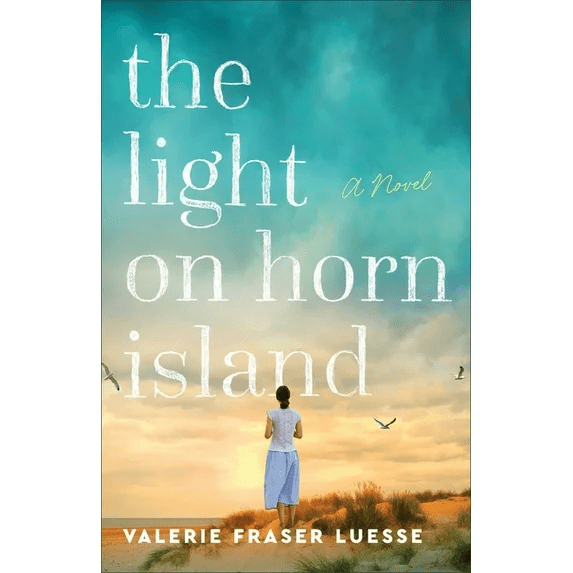
The Light on Horn Island by Valerie Fraser Luesse

A likable, easy-going story with magical realism leaning towards inspirational romance that ticks all the boxes when it comes to a story set in the South: characters with nicknames as unique as their personalities, picturesque landmarks attached to childhood memories, regrets of the past, and promises for the future.

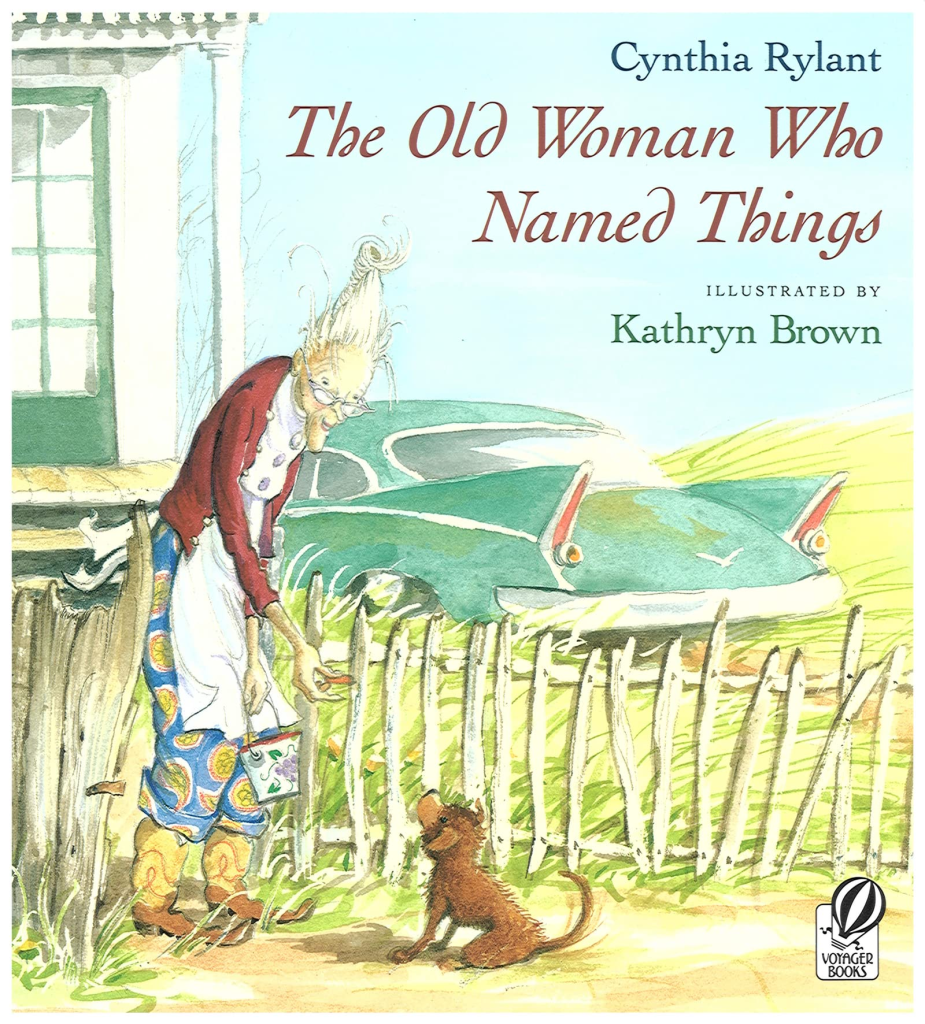
The Old Woman Who Named Things by Cynthia Rylant, illustrated by Kathryn Brown

An endearing picture book of an elderly woman who is willing to take a chance to move out of her set way of life to find companionship. The soft illustrations capture the whimsy and joy within the story.


Guilt by Definition by Susie Dent


Having a team of dictionary detectives is brilliant. The premise is reminiscent of Anthony Horowitz’s Susan Ryeland books, where readers follow along as a book editor tries to solve the mystery in her amateur but determined manner. In Dent’s book readers get the behind-the-scenes of a dictionary publisher that sounds oh so similar to the OED (and that is perhaps not a coincidence).

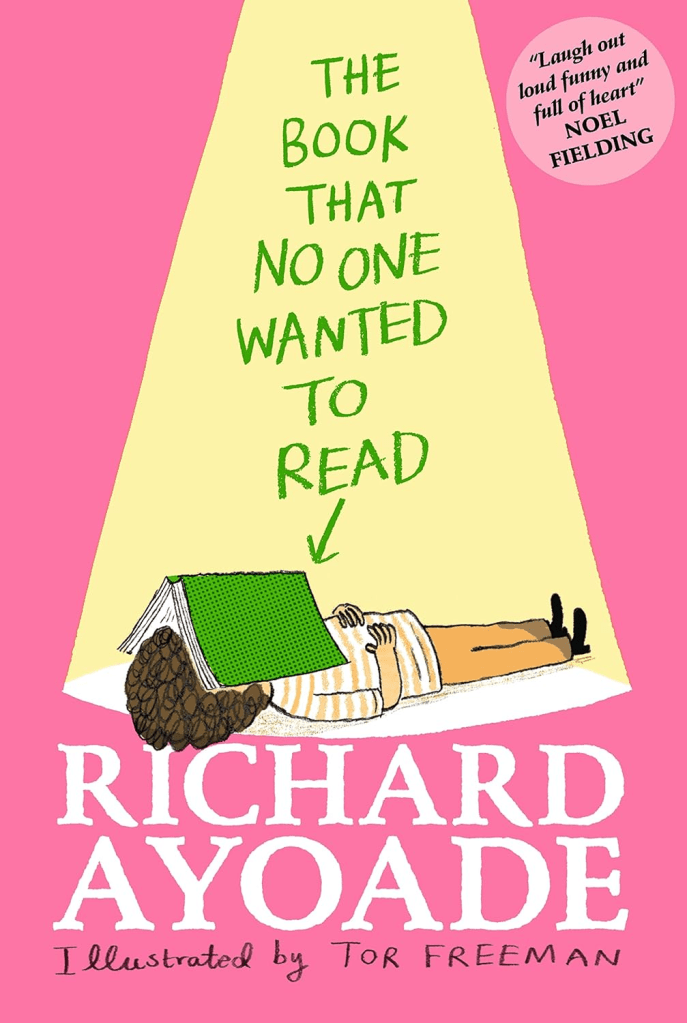
The Book No One Wanted to Read by Richard Ayoade, illustrated by Tor Freeman


Both versions, text with its clever illustrations and fonts, and the audio with author-narration, are clever and witty. Not for kids only.

Bud, Not Buddy by Christopher Paul Curtis

Based on the author’s family background and his personal interest in the Depression, the story of young ten-year-old Bud, searching for his father is definitely deserving of the Newberry.

Bookish Thoughts: Reading Fast Asleep


For me, reading a book involves holding a physical copy (preferably a hardcover) whilst sitting in my cozy window-side lounger or pillow plumped in bed. First preference is lounging in my hammock on an agreeable summer’s day.

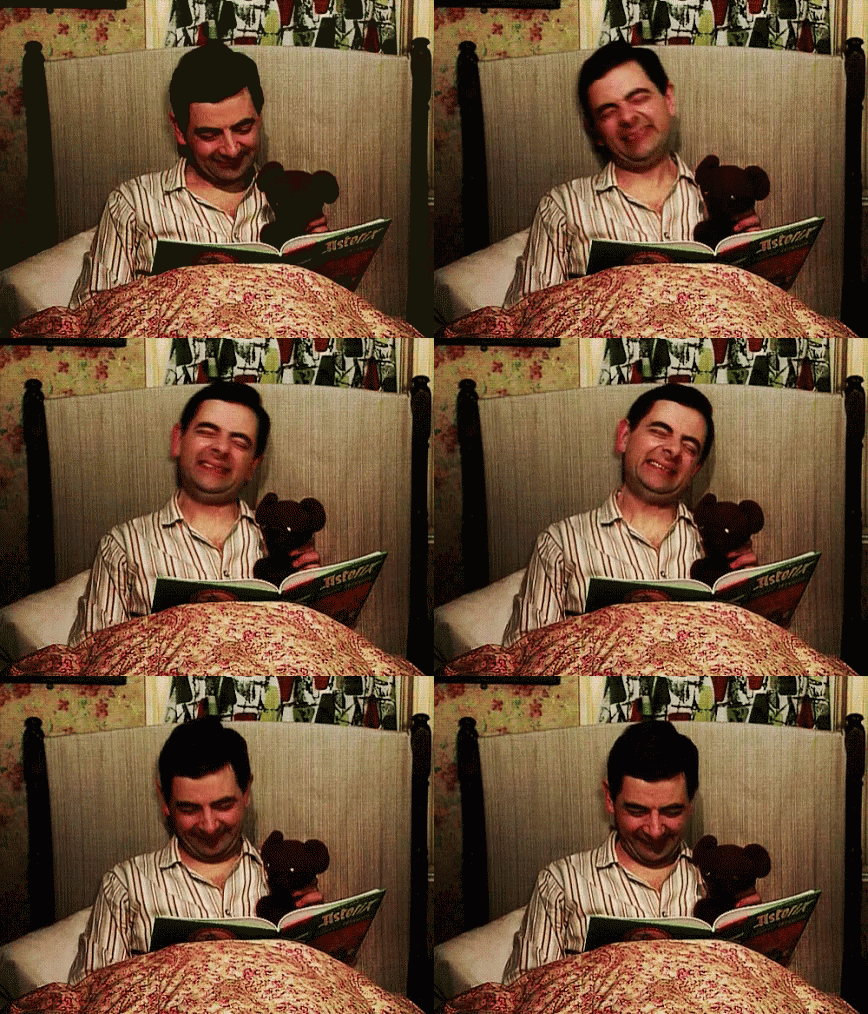
THE way to read a book

The point here is I’m doing the work of assimilating the words, turning the pages, creating character voices as I progress through the book.

I’m not a fan of e-books as they are not as friendly when there is a need to flip back to consult a passage. All that flipping and scrolling feels like I need to hurry. Admittedly they are useful on trips as they are device ready and more convenient than packing two or three books.

The option of audio books is popular and a form I’m trying out as a sleep aid. Many readers I know gush about the book they are listening to, discussing the reader’s narrative brilliance (or complaining of their incompetence).

I’ve relied on audio books on long car trips and to me that’s their best use. Lately though I’ve taken to downloading audiobooks through Libby because, true confession, they lull me to sleep. No worries, I don’t sleep if I’m driving. It’s that time of year when sleep routine is disturbed.

Waking too early due to time changes means staring into the dark hoping to back to sleep. My soothing sounds app of ocean, wind, or bird song sometimes works.

Yet, the best solution so far to drift off to sleep is downloading an audio book. It must be that ingrained childhood somnolent of being read to, that conditioned reflex to relax into sleep land.

One problem is waking up and realizing I have no idea what is happening in the plot, creating some concern and confusion. Another problem is taking a liking to the story and wanting to read it, only to discover the library does not carry a physical copy.

I tend to download children’s books as they are brief, usually clocking in at five hours. I spent on weekend afternoon listening to the Penderwicks at Last, having read the other books in print.

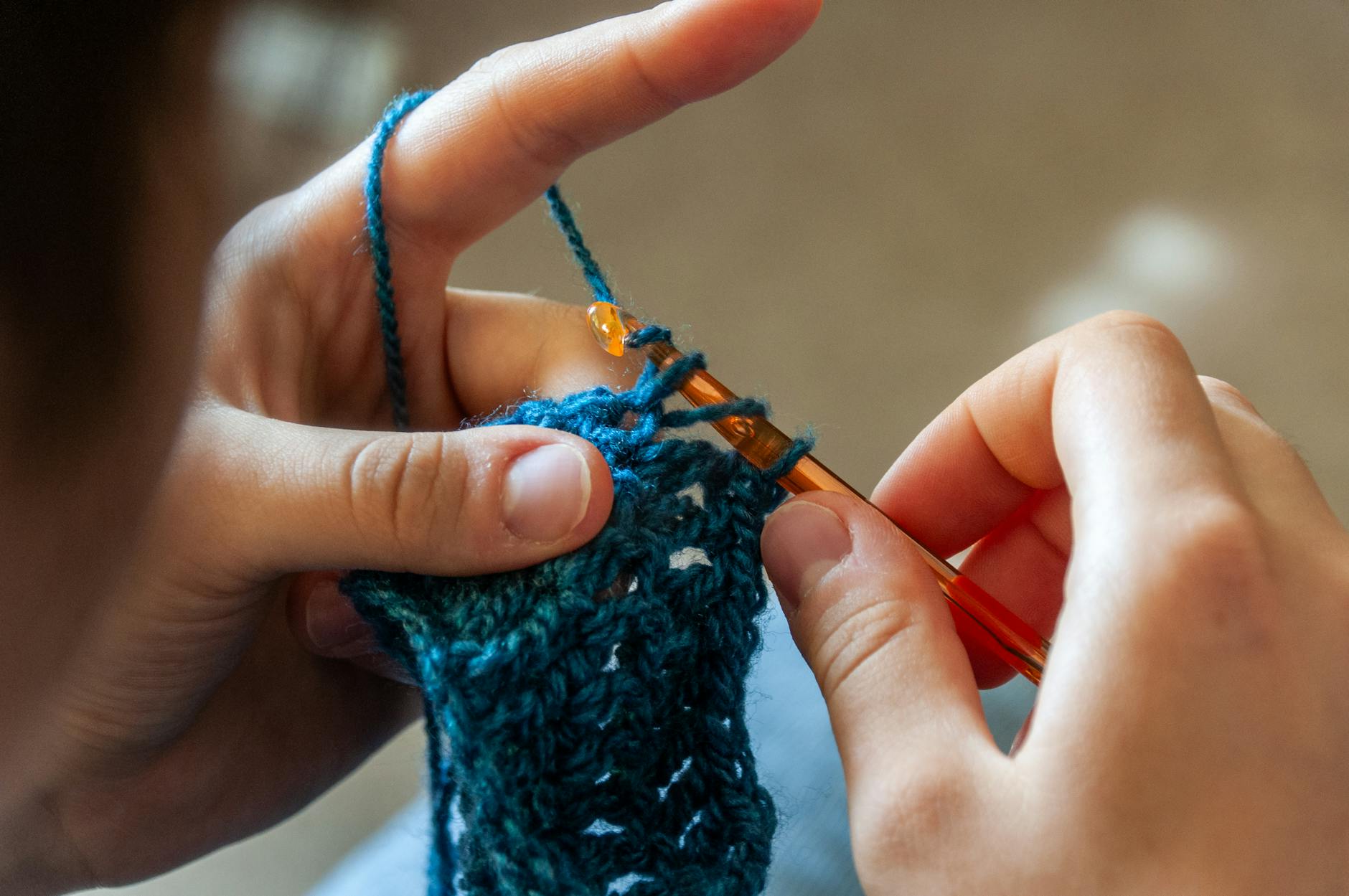
But unless I’m driving, or trying to fall back asleep, I can’t just sit and listen to the story—I need to be active. I know some people do housework while listening, or they plug in while exercising. Those activities aren’t on my first-pick list. My solution is to take up crocheting. One needle is about all I can manage.

Photo by wal_ 172619 on Pexels.com

I still prefer my books in print, yet a good story being read to me is a win win situation—I either get some shut eye or get a few more rows done.

Thoughts on audio books?

So far, So good


January proved to be a five star month. Most of my choices became memorable reads, whetting my appetite to search out more good great reads for my 2026 Good Reads reading challenge. I almost hit my wishful thinking number of 200 books last year. January’s five star reads:

The Book of Lost Hours by Hayley Gelfuso

sci-fi/magical/romance/adventure

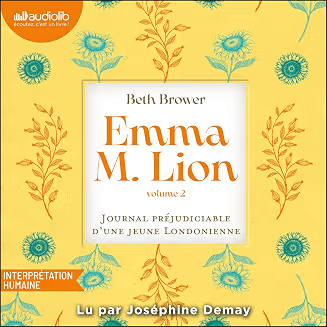
The Unselected Journals of Emma M. Lion (4 out of 8 read and now waiting patiently for the others to get returned)

Witty, captivating, and addictive

Time and Again by Jack Finney

cult classic time travel set in 1970s/1882 New York

The Song of Hartgrove Hall by Natasha Solomon’s

Think Downton Abbey with emphasis on music

How is your reading challenge coming along?

Reading Roundup: 2025 December


Last year proved a banner year for my Good Reads reading challenge having far surpassed my usual 101 books with 191 books. Will 2026 be the year of 200? 201?

December ended on a high note of 5 five star reads—a mixture of kid lit to popular requests.

City Spies by James Ponti

image: Goodreads

The usual trope of orphaned children with exceptional skills being recruited as M16 operatives has been popularized by books such as Horowitz’s Alex Rider series making it difficult to provide something unique to the middle grade genre. And yet Ponti does add enough twists to create a creative read.

The Unselected Journals of Emma M. Lion by Beth Brouwer

image: Goodreads

Understated humor, Victorian culture, British class/historical fiction, with a smidge of mystery all come together for a charming read that is less journal entry and more novel in approach.

No wonder the library can’t keep them on the shelf.

The Bitter End Birding Society by Amanda Cox

image: Amazon

A story how birds, one of God’s most precious creations, can help restore faith in oneself and in others.This reader gladly endured the hold list wait as it was a lovely read.

Marshmallow and Jordan by Alina Chau

image: Amazon

An uplifting graphic novel that features Jordan, a middle-school girl in a wheelchair who used to be a basketball star. She befriends a stray baby elephant and they become inseparable, naming him Marshmallow. Marshmallow helps Jordan boost her swimming skills enough to join the school’s water polo team.

Your Inner Hedgehog by Alexander McCall Smith

image: Goodreads

This fifth entry into the series captures the subtle wit and charming irony McCall-Smith is known for. As he continues his gentle poke at academia the story takes on the sublime found in books by Jasper Fforde and Douglas Adams.

Reading books continues to be the fundamental enjoyment of retirement. It even rates higher than dark chocolate.

The Summing of Numbers


Well into the new year I am now reflecting on past accomplishments of last year. While I could ruminate on aspects of my writing life I will instead gloss over the fact I did not attain my goal of securing an agent or getting another manuscript accepted by a publisher. I did, however, get several articles published in Sandpoint Magazine, a regional publication that emphasizes Sandpoint and the amazing surrounding area. You can check it out here.

Instead, I will gladly share my reading accomplishments (much more impressive). For the past few years I have set a reading goal of 101 books. I have managed to meet and surpass that number and thought, “Why not go for 200 books?”

I managed 191. Close. So close.

Goodreads puts together a dandy graphic summary and here are a couple of highlights:

That is a lot of books!
I wonder why October was busier?
There were some really good reads last year.

How about you? Did you hit your reading goal?

A Brace of Bookmarks


As a voracious reader bookmarks are essential to keeping order as I travel through books.

Dogearing pages is simply not acceptable and will not be tolerated. Civilized readers do not crisp back page corners. Unless it’s the latest Costco flyer.

I’m on the fence about notes and highlighting. That’s a different topic and post.

Concerning bookmarks…

Yes, most of them relate in some manner to Shakespeare–good eye

I have a brace of bookmarks ready for use spread through the house. Some are genuine bookmarks with various designs while others range from a ubiquitous fluorescent sticky note to a variety of postcards to my current favorite: Smokey the Bear.

Scored Smokey (and his twin at the Forest Dept booth at this year’s fair

There is something satisfying about firmly wedging a bookmark into my current read. It’s a decisive action signifying a promise to return. <Ooh, a feel the need to work this out as a PB story>

And sometimes the return is immediate; other times it takes it takes a bit longer. Like my Oxford Book of American Poetry. It has plenty of tiny bookmarks indicating favorite poems waiting to be reread. Other standby reads include Psalms, which I savor before going to bed. Like faithful sentinels these bookmards remain on duty, assuring they will easily guide me back to where I last left off.

The library recently displayed a collection of ephemera; those bits found in books that are donated. Photographs, receipts, tracts, love notes, clippings, leaves, as well as actual bookmarks. As I process donations, I collect these bits of personage, and save them, wondering about the stories behind them. Over the past year enough ephemera was collected to fill three poster boards. I wonder if people viewing the display recognize their lost bits, if they are saddened if they inadvertently gave away something cherished with that copy of Tom Clancy’s latest adventure novel.

Well, on to a new book. Smokey is already waiting for me.

P.S. As I opened my latest read these two bookmarks were waiting for me. Serendipity.

What is your favorite bookmark?

Reading Roundup: August 2025


August has traditionally signified the end of summer for me since returning to school was just around a calendar flip away.

However, retirement means I will be still in bed (probably) when the school bus rumbles past our house. And I will most likely be reading since that has become part of my routine due to still waking up at 5 am (dratted body clock) after so many years of doing so and not wanting to start my day quite that early.

All that reading as certainly impacted my accumulative reading states. To date my Goodreads Reading Challenge total is now at 116, nicely surpassing my 101 goal. I’m wondering if I can hit 200 this year. Hmm…

Five star reads of August:

The Last Escape by ECR Lorac

Goodreads image

Aptly named, The Last Escape is the last mystery readers will sleuth along with Inspector Macdonald. After 40 (!) mysteries to solve it appears the unflappable CID man will retire to Lunesdale on the farm he purchased a few stories back (Crook o’ the Lune). Once again Lorac begins the novel with a smidgen of backstory which leads into the principal players and when a crime is committed Macdonald is on the scene.
These books have been all interlibrary loan derived and I have found each one does well as a standalone. I have many more cases to solve with the Scottish inspector and look forward to the next book that comes my way.

Harry’s Trees by Jon Cohen

Goodreads image

A grown up fairytale complete with one simple fairytale embedded in the plot makes this an unusual book and entertaining tale.

I was embarrassed to realize as I got into the story I had read it before—that “Gee, this is a lot like another book I’ve read” feeling. This either means I’m reading too many books or I read the book too fast or the story didn’t resonate at the time.

This time the story did resonate as it was a fun lounging-in-the-summer-hammock read.

Just Like Beverly by Vicki Conrad

Goodreads image

An excellent picture book biography of beloved children’s book author Beverly Cleary. Focusing on her as a child who lived books and wanted stories about children just like her provides a better understanding of how her stories have a timeless appeal. Illustrations and text are complementary and the additional material adds to the overall appeal.

I’m looking forward to the cooler days of fall and I am anticipating some really good reads coming up as my TBR list is quite plump.

Reader Roundup: July


A baker’s dozen read through July. Most were pretty good, a couple not so good, and a couple were really good reads.

Raising Hare by Chloe Dalton

This was my 100th read of the year!

An unexpected debut in that the author in all likelihood didn’t expect a book, a bestselling book at that, would be a result from her making the snap decision to rescue a leveret, a baby hare, seemingly abandoned in the February snows of the UK countryside.

By rescuing the leveret Dalton made a commitment to keeping it wild and not a pet, knowing that raising a hare in captivity is rarely successful. Hares haven’t been domesticated like rabbits, which Dalton acknowledged and respected. She changed her entire way of life to accommodate the leveret’s needs.

It’s a truly engaging story of how a wild animal can be nurtured by a human without becoming a Disney movie. Dalton writes with honesty and a poet’s eye as she describes her symbiotic life raising hare. She reflects on how it awakened her appreciation of nature, to take in the moment instead of pursuing her goals with blinders to the beauty surrounding her.

As for the hare? It lived an unusual life, benefitting from human companionship without obligation while keeping to its natural tendencies to raise a family and stretch its legs out about the countryside. Highly recommend for those who seek out positive reads involving nature.

The Cost of a Hostage by Iona Whishaw #12

Can’t Wait For the Next One

This twelfth entry of Lane Winslow and her adventures is a treat. The author places our plucky former SOE agent in Mexico with her inspector husband Frederick Darling. Kidnappings, bandits, nefarious war criminals are the main plot—meanwhile, in Nelson BC, Ames and Terrell man the police station, with the help of newly appointed April, and are caught up in their own crime situations of kidnapping and drug running. Both plots are well-paced. But what really stands out in this entry is the characterization,. Whishaw continues to develop and provide fully developed characters, each with their own distinctive personality.

It’s always difficult finishing one of these Lane Winslow books because it means having to wait at least another year for the next one.

I’m trying to par down my TBR list and yet so many tempting titles are out there! Anyone else have difficulty passing up a possible good read?

Goats and Monkeys: the other aspect of Shakespeare


National Poetry Month is still among us for a few more days and I would be remiss not to mention Shakespeare and his sonnets. There–duly mentioned.

I am sorely tempted to give a brief lesson about the sonnet, something I miss teaching from my AP English Lit days. BUT (which is an indication of the turn in the sonnet mood or message known as the volta–see what I did there? Yes, I did squeeze in a brief lesson), I shall refrain and instead spotlight that other aspect of Shakespeare.

No–not him being a playwright. Did you know he started out writing sonnets and not plays? That he considered himself more poet that playwright and that he inserted many a sonnet into many of his plays? There are four sonnets in Romeo and Juliet alone. The prologue that introduces the play is a sonnet (watch for the volta–hint, hint “which” works as well as “but”):

Two households, both alike in dignity,
In fair Verona, where we lay our scene,
From ancient grudgeParenthesis break to new mutiny,
Where civil blood makes civil hands unclean.

From forth the fatal loins of these two foes
A pair of star-crossed lovers take their life

From forth the fatal loins of these two foes
A pair of star-crossed lovers take their life;
Whose misadventured piteous overthrows
Doth with their death bury their parents’ strife.
The fearful passage of their death-marked love,
And the continuance of their parents’ rage,
Which, but their children’s end, nought could remove,
Is now the two hours’ traffic of our stage;
The which if you with patient ears attend,
What here shall miss, our toil shall strive to mend.

There I am talking about sonnets again. Well, it is National Poetry Month. And being such a famous, well-known poet it is difficult not to have spent at least a bit of time about how the Bard rocked sonnets.

Sonnets. Plays. He did write them supremely well. We still read them, watch them, recite them, discuss them and you know what? Just watch a master recite the master discussing April–very appropriate, wouldn’t you say?

The cat is a nice touch.

Here I meant to talk about the other aspect of Shakespeare, and sonnets distracted me. A worthy distraction, true that. Yet, (another word that works as a volta, since I am changing the direction of this focus), beyond the perfect prose and poetry Shakespeare is so admired for there is a darker, mmm, not quite the right word–ribald, yes, Shakespeare has a definite ribald side to him: his insults!

Throughout his plays his characters lob the cheekiest insults at one another. Keeping in mind the majority of those attending Shakespeare’s plays were of the down-to-earth crowd, known as “groundlings” because they pay a penny to watch the performance and stood for the entire time, often shouting out their commentary to the stage actors. Stands to reason then why Shakespeare inserted earthy lines into his plays. He knew how to play to the crowd.

Here are some examples. They start at mild and run the course from G to PG13.

  • “Neighbors, you are tedious. ” —Much Ado About Nothing, Act 3, Scene 5
  • “[You] peevish baggage.” —Pericles, Act 4, Scene 6
  • “[H]e has not so much brain as earwax.” —Troilus and Cressida, Act 5, Scene 1
  • “You are not worth another word; else I’d call you knave.” —All’s Well That Ends Well, Act 2, Scene 3
  • “Out of my sight! Thou dost infect mine eyes.” —Richard III, Act 1, Scene 2
  • “Bloody, bawdy villain! Remorseless, treacherous, lecherous, kindless villain!” —Hamlet, Act 2, Scene 2
  • “A knot you are of damned bloodsuckers.” —Richard III, Act 3, Scene 3
  • “You rise to play, and go to bed to work.” —Othello, Act 2, Scene 1
  • “Heaven truly knows that thou art false as hell.” —Othello, Act 4, Scene 2

For more Shakespeare insults try this link:

Or you can create your own insults with this link. This is a classroom activity we used to do during our Shakespeare unit in English. It would culminate in an insult-off between a student and myself with the object of hurling such a created invective that the other person would cry–actually it usually ended up with everyone laughing.

So, a tribute to Shakespeare’s prowess with prose and poetry and a solid nod to his poison pen when it came to hurling insults.

Post Navigation