
Word Nerd: Gosh, it’s a Hawk
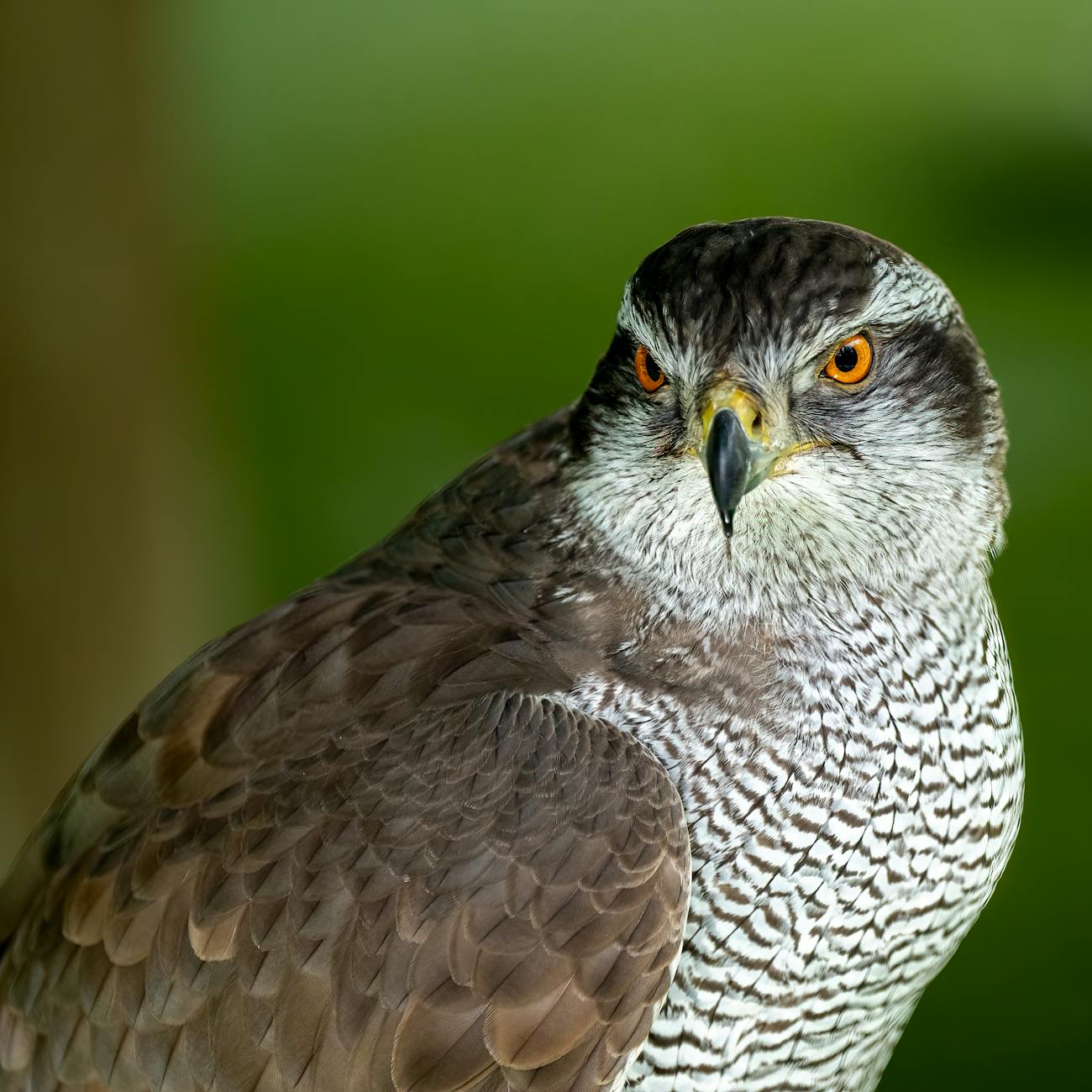
When a book grabs my attention, I tend to go a smidge overboard in experiencing it. Such is the case with Helen Macdonald’s memoir about training a a goshawk she named Mabel. I am immersing myself in Macdonald’s H is for Hawk through her book, a BBC documentary about her training a different goshawk, rereading it through the thoroughly enjoyable audiobook, and I just finished watching the amazing Claire Foy in the film based on the book.
While I am familiar with the ancient sport of falconry, Macdonald’s book shows how little I actually know about it. For one, there are very specific terms I needed to learn in order to better understand her work with Mabel. As a bonus, the Word Nerd side of me discovered there many everyday expressions that are derived from falconry.
A fascination of terms (some apply specifically to birds of prey):
Bate: When a bird flaps its wings while perched, mimicking flight. It’s a restless action.
Stoop: When a bird folds its wings into its body, which makes them more aerodynamic, creating the ability to move through the air much faster to catch their prey.
Imprint: When a bird is raised by someone other than their mother. Rescued fledglings will often be raised by humans, nurturing them until they can be released.
Tiercel: A male falcon.
Soar: When a bird “surfs” on a thermal of air, resting between flying.
Diurnal: Hunting during the daytime.
Nocturnal: Hunting during the nighttime.
Crepuscular: Hunting during dusk and/or dawn.
Quarry: Game that is hunted by birds.
Flush: When dogs cause the game to rush out from its cover so it can be hunted.
Pass: When a bird flies with the enticement of a lure or when the male presents food to a female during the mating process.
Casting: Securing a bird in a manner that minimizes the stress of the action to the bird, and is also the reference to the bird’s pellet.
Pellet: The indigestible parts of a bird’s prey, regurgitated up as a small ball.
Lure: A small horseshoe-shaped device attached at the end of the line to attract the attention of the bird, usually decorated with feathers.
Swivel: The metal object that turns and spins while securing the bird’s jesses.
Jesses: These are leather straps that hold the bird while they perch on the fist.
Fist: The falconer wears a leather glove to protect the hand and forearm, and this is where the bird perches.
Coping: The act of filing back a bird’s beak.
Manning: The time spent with a bird as a means of getting the bird accustomed to the falconer’s presence, with the goal of gaining the bird’s trust.
Rouse: The act of a bird raising its feathers and shaking them, usually in doing so they are shaking off debris, realigning their feathers, or trapping heat.
Now for some everyday expressions derived from falconry:
Under the thumb: Falconers maintain control of their birds by holding the bird’s leash under their thumb while the bird is perched on their fist. Today’s meaning implies having control over someone, not necessarily in a beneficial manner. “She had her personal assistant firmly under her thumb.”
Hoodwinked: To keep a bird calm a small hood was placed over their head, getting tricked into thinking it was night, and it would get into a restful state. The modern use of this expression means getting tricked or scammed into doing something such as, “I thought that link was from my bank. It turns out I was hoodwinked and lost a significant amount of money.”
Fed up: A bird that eats too much will have no incentive to hunt and is unwilling to work with the falconer. Today, if someone is “fed up” that usually means they have reached their limit and will no longer cooperate.
Wrapped around their little finger. To provide extra security beyond holding the leash, a falconer might wrap the strand of line around their little finger, so even if the bird broke free it would still remain tethered. Today, if someone uses this expression it indicates the person is under control by another person as in “No worries, I have my dad wrapped around my little finger.” SEE: “Under the thumb.”
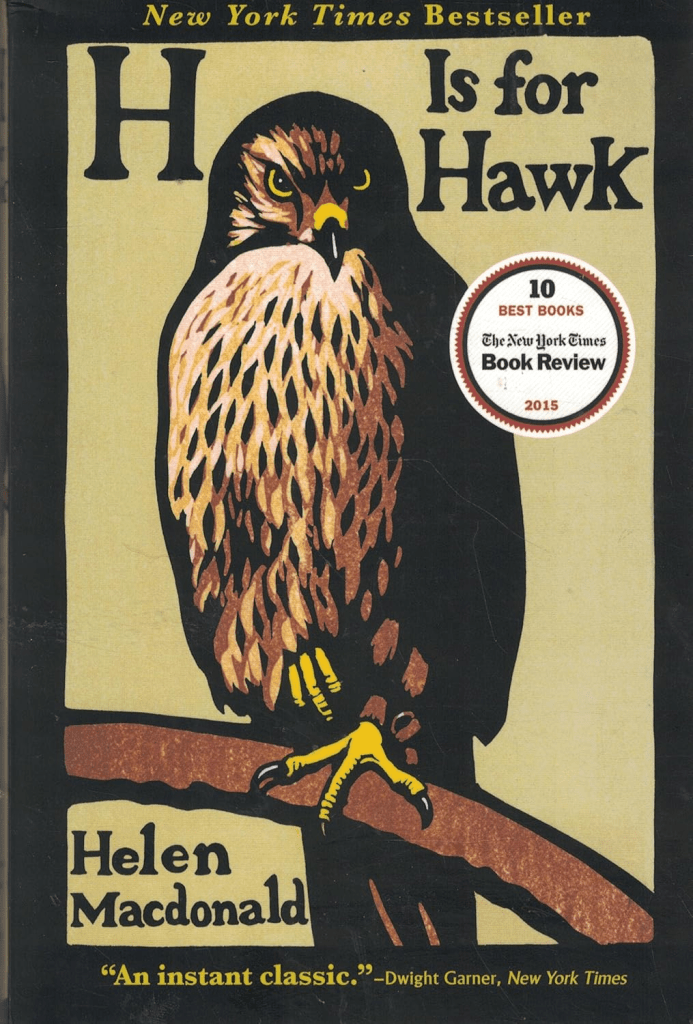
If you enjoy memoirs about animals and humans interacting together, I highly recommend Helen Macdonald’s H is for Hawk. Do read the book before watching the film (streamed through Kanopy). The audiobook adds the dimension of hearing Helen’s emotional journey.
I would enjoy hearing your thoughts on the book!


 Pam Webb
Nice to know that what I’ve always called “fluffing” is really “rousing.” Enjoyed reading the sources of falconry-related expressions. Thx!
Yes, one imagines goshawks being indignant about fluffing.
Sounds like my kind of book! I’ve long been a fan of animals and books about them and human-animal relationships like Amy Tan’s delightful The Backyard Chronicles. Since we departed from New York City and moved to beautifully country-like Kingston, Pennsylvania, we both delight in the critters who come to visit—including the birds who keep us restocking all three feeders and buying huge bags of avian goodies! (I feel an overdue blog post coming on. Stay tuned.)
It is among my favorites for animal connection. Hope you can find it.