Pam Webb

a writer's journey as a reader

Archive for the tag “fiction”

A Brace of Bookmarks


As a voracious reader bookmarks are essential to keeping order as I travel through books.

Dogearing pages is simply not acceptable and will not be tolerated. Civilized readers do not crisp back page corners. Unless it’s the latest Costco flyer.

I’m on the fence about notes and highlighting. That’s a different topic and post.

Concerning bookmarks…

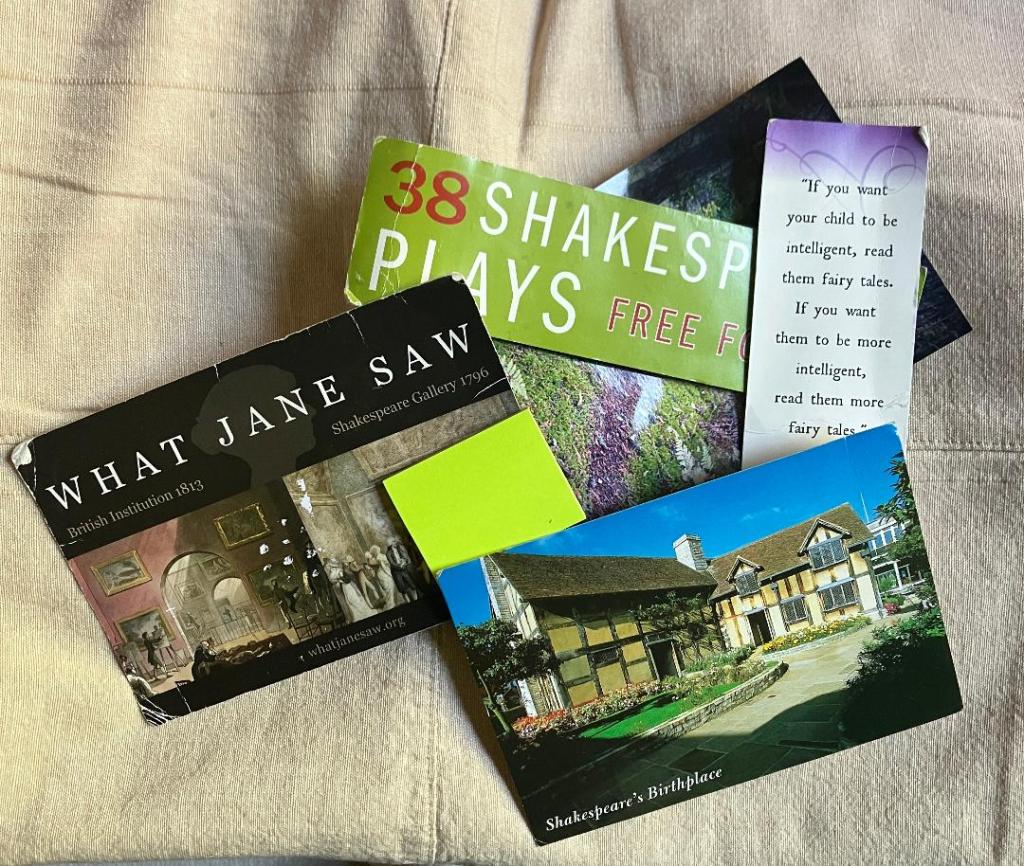
Yes, most of them relate in some manner to Shakespeare–good eye

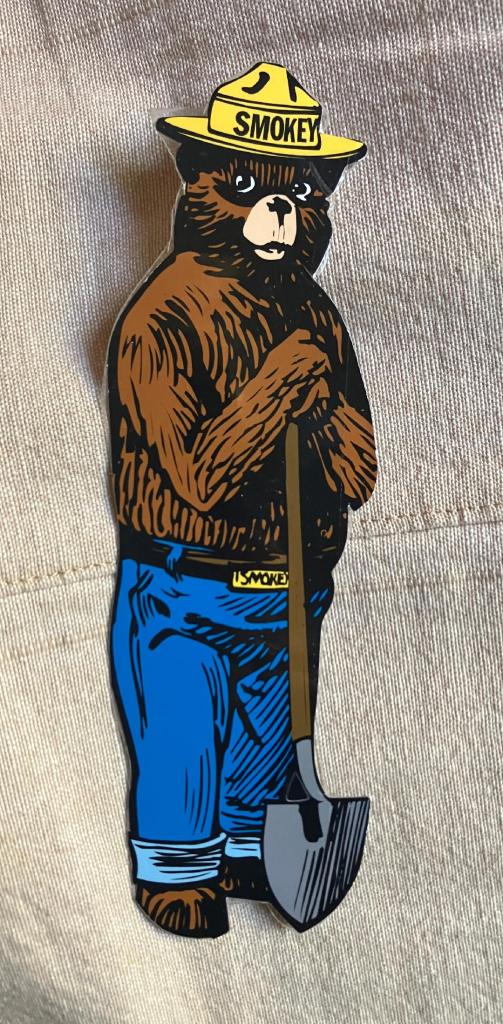
I have a brace of bookmarks ready for use spread through the house. Some are genuine bookmarks with various designs while others range from a ubiquitous fluorescent sticky note to a variety of postcards to my current favorite: Smokey the Bear.

Scored Smokey (and his twin at the Forest Dept booth at this year’s fair

There is something satisfying about firmly wedging a bookmark into my current read. It’s a decisive action signifying a promise to return. <Ooh, a feel the need to work this out as a PB story>

And sometimes the return is immediate; other times it takes it takes a bit longer. Like my Oxford Book of American Poetry. It has plenty of tiny bookmarks indicating favorite poems waiting to be reread. Other standby reads include Psalms, which I savor before going to bed. Like faithful sentinels these bookmards remain on duty, assuring they will easily guide me back to where I last left off.

The library recently displayed a collection of ephemera; those bits found in books that are donated. Photographs, receipts, tracts, love notes, clippings, leaves, as well as actual bookmarks. As I process donations, I collect these bits of personage, and save them, wondering about the stories behind them. Over the past year enough ephemera was collected to fill three poster boards. I wonder if people viewing the display recognize their lost bits, if they are saddened if they inadvertently gave away something cherished with that copy of Tom Clancy’s latest adventure novel.

Well, on to a new book. Smokey is already waiting for me.

P.S. As I opened my latest read these two bookmarks were waiting for me. Serendipity.

What is your favorite bookmark?

Springing Forth with Writerly Updates


In an effort to match the energy and joy of the season I’m springing into action in terms of my writing.

Book Signing
If you live in or around Spokane Valley, Washington you can catch me at the Barnes and Noble store on Saturday, April 19th from 11 am to 3 pm.

Yes, I will be signing my picture book Someday We Will.

It’s been an amazing five years since it was published in 2020–right when COVID locked down schools, libraries, and bookstores, which kind of kiboshed that whirlwind in person book tour originally hoped for.

Celebrating Five Years!

Since then Barnes and Noble and my local library have provided lovely support. This will be my third signing with Barnes and Noble and I’ve done a few storytime sessions with the library.

And thanks for your support! Readers of this blog have purchased Someday We Will through online sources. I still offer the deal of sending you a personalized bookplate. Just provide some details: where and when you bought the book, your address, and the message and I will send out a bookplate to you.

Projects
The winter months kept me inside writing new stories and revising others. I also discovered a knack for collage and began illustrating some of my picture book manuscripts. Here are a couple of samples:

I also decided to create a separate page that highlighted completed manuscripts–a menu, so to speak–in case agents, editors, or publishers decide to stop by for a visit. Feel free to browse at my new page link:
Project Pitches.

Of course not all my time is spent writing. Spring is here which means I’m outside more than inside. Yardwork, walking, biking, reading, and just plain sitting in the sun dozing in the sunshine. Winter is way too long and I am so enraptured the days are longer and warmer AND sunnier!

How are you springing forth this joyous season?

How Cliché: Minding the Ps and Qs


A combination of sayings involving those with P and Q.

Packed in like sardines: closely situated; crowded. Around the 19th century this phrase came into use, no doubt due to the crowded conditions found in city dwellings and public transportation. Spike Mulligan in his poem “Sardines” played with the idea:
A baby sardine
Saw her first submarine:
She was scared and watched through a peephole.

“Oh come, come, come,”
Said the sardine’s mum.
“It’s only a tin full of people.”

image: Tudor

Par for the course: considered average. A golf derivative since “par” indicates the number of strokes expected for a certain hole. The term applied to other aspects around the 1920s with the added connotation of being slightly derogative, as in “Paul brought store bought muffins–which is par for the course. Other meanings attached to the phrase are “up to par” meaning to meet the standard and “below or sub par” expressing not meeting the standard. If Paul had stopped at that chic little bakery on the corner and brought in croissants he no doubt would have earned the accolade of “above par.”

Pay through the nose: being charged an exorbitant fee. The origin of this phrase is not readily found, although it appears to have been around since the 17th century. Some sources attribute it to the punishment of having one’s nose slit if late with tax payment. Thankfully today we can pay late fees without fear of such extremes, although some late fees do hurt.

Piece of cake: easily done. This is from the old tradition known as the cakewalk, in which whoever performed the most intricate dance steps upon the promenade received a cake as a prize. By the twentieth century the phrase became slang for something easily accomplished. For instance, after receiving so much ribbing from his co-workers about the sub par meeting treats, Paul decided to check out the new bakery near his apartment. It was a piece of cake to bring in a box of freshly baked cookies.

Pie in the sky: a false promise for a better life. This is a lyric taken from a song titled “The Preacher and the Slave (1911)” in which there is the promise of living in comfort, eating pie in the Glory Land. Joe Hill of the International Workers of the World or the Wobblies considered fair wages to be the “pie” in his version of the song. However, boxing champ Muhammad Ali is quoted in 1978 as saying, “You don’t want no pie in the sky when you die, you want something here on the ground while you’re still around.”

image: Gospel Coalition

Pride and joy: a prized aspect. Sir Walter Scott is attributed for this saying in his 1813 poem, “Rokeby.” In the poem he states children as a “mother’s pride, a father’s joy.” Today the term applies to anything from an accomplishment to a possession that evokes pride and joy. Back to Paul. That little bakery he began frequenting? He discovered their muffins were their pride and joy and he set up a running order for a baker’s dozen every Thursday.

Pull the wool over one’s eyes: to deceive someone. This saying does not involve sheep. Instead it involves wigs, the ones British judges and barristers wore (and wear). Apparently it refers to a clever barrister’s ability of momentarily blinding a judge with their argument, essentially slipping their wig (which were made from wool?) over their eyes. More figurative than literal. Today the reference applies to anyone who has been fooled by a person, whether knowingly or unknowingly.

Put one’s money where one’s mouth is: show intention with actions, not just by words. Thought to have started around 1930, around the time of WWII, being used in many English-speaking countries. In the 1970s the British government applied turned the phrase into an ad campaign to convince in the NSBAD (National Savings Bank Accounts Department. Another less polite associative phrase is “Put up or shut up.”

image: Peter Perlegas art

Put words into someone’s mouth: to credit someone saying something when they didn’t. This one is found in the Old Testament in 2 Samuel 14:3: “So Joab put the words in her mouth.” Paul again. “I did not say I made the muffins. I said I made a run to the bakery to get the muffins. Honestly, quit putting words in my mouth.”

Quantum leap: an notable advancement; a great improvement. Going with nuclear physics on this one, in which the abrupt transition from one energy state to another is considered a quantum leap (very simplified). That’s literal term. The figurative term refers to the size of the transition, usually an exaggeration, as in “Wow, Paul, two weeks in a row you’ve brought in freshly made muffins. That’s a quantum leap from the days of stale grocery rack cookies.”

image: LanGeek

Quick as a wink: instantly achieved. There are several analogies that are similar, such as “quick as bunny” or “quick as a bee” or “quick as lightning.” As early as 1546 these proverbs or maxims were found in sources. The expression is still in use.

Quid pro quo: something is received in exchange for something given. This one is also known as “tit for tat” which was used by Shakespeare in Henry VI Part 1 when Margaret tells the Earl of Suffolk, “I cry you mercy, ’tis but quid pro quo” (5:3).

Many, oh so many, cliches with P were left on the editing floor. So fill up the comments with the ones that didn’t make the post or check them out in Christine Ammer’s Have a Nice Day: A Dictionary of Clichés.

image: Amazon

Reader Roundup: September 2024


September is a lovely month with its gentle fading from summer to fall. There are those halcyon days of summer warmth that lend enough sun to read in the hammock still.

This month seemed to be focused on mysteries, which are my fave when lazy reading. Here are the top picks:

image: Amazon

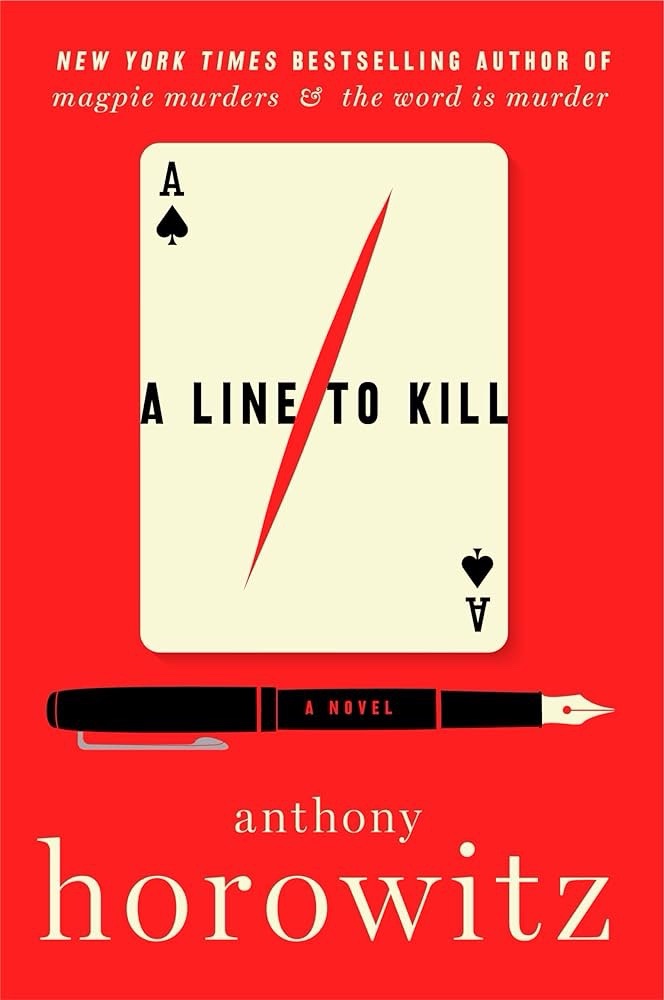
A Line to Kill by Anthony Horowitz

This is the third installment in which Horowitz portrays himself as a sort of sidekick to the enigmatic detective Hawthorne. This time it’s a bit of locked room mystery as the deed takes place on Alderney, a British channel island.

The conceit of writing himself as a character is still working for the most part, but the wink and nod of the meta fiction ploy is starting to wear thin. Several red herrings along with a few subplots add up to a satisfying read. One question though—if this becomes a TV series who will play Horowitz?

image: Target

The Scottish Ladies’ Detective Agency by Lydia Travers

The trope is not unique, a plucky woman from a wealthy background opens a detective agency and brings in an assistant from a lower class. What differentiates this entry is how well the two women, Maude and Daisy, work together as partners and friends. Daisy, formerly Maude’s maid, takes on her assistant role with aplomb, deferring to Maude as her boss, without being subservient. Her Scottish wit and brogue add a nice sassiness to their interactions.

The book opens with the first case, protecting jewelry from thieves, and leads into several cases. The storyline provides enough twists and red herrings to make it interesting, and even though there were a couple of contrived situations, there is enough charm and engagement to let it pass.

Infusing the story with historical details such as the suffragette movement and the introduction of modern conveniences such as vacuums and automobiles adds interest to the overall setting of Edinburgh in the early 1900s.

I’m discovering there are all sorts of cozy mysteries out there, ranging from teachers to bakers, to knitters even to pets getting in on the action. PBS is quite well-stocked in cozy mysteries, and is currently running Horowitz’s Moonflower Murders, which is the second in the Susan Ryeland series, where she is a book editor solving a murder mystery. Fun stuff. PBS is so involved in cozy mysteries they have developed a cozy mystery bingo card. Great for watching movies or for reading books. Check it out!

What are your favorites among cozy mysteries?

Reader Roundup: Hello New Year


Finishing strong in my 2023 Goodreads challenge with 171 books read—greatly surpassing my usual 101 books goal, which landed me in the Goodreads top 25% readers group. Couldn’t resist a little self back patting. On to the five 🌟 reads of January:

image: Amazon

To Track a Traitor (Lane Winslow #10) by Iona Whishaw

The plot is especially complex as it involves a thirty year old murder, a missing husband, a blackmailer, and a rogue spy. Whishaw manages to balance all these complicated aspects while continuing to develop the interpersonal relationships of the characters. The series continues to become more engaging with each additional entry. While this title could be a standalone, the story is enriched by how Whishaw has developed each character in each book. For those who appreciate post WWII intrigues and strong women leads such as Maisie Dobbs.

image: Amazon

Madame Secretary: A Memoir by Madeleine K. Albright

Watching Madeleine Albright’s cameo television series “Madame Secretary” prompted me check out her autobiography. She came across as sassy and knowledgeable in both her TV role and as the first woman secretary of state. Albright’s humor and hard hitting style provided illuminating glimpses into the world she shared with President Clinton. Dealing with dictators, forging relationships with new and old world leaders, and coping with personal situations was all part of her tenure. Candid, humorous, and engaging, though long and sometimes painful in reading due to the hardships so many countries face because of leadership decisions, this an insightful look at the behind the scenes of a governmental position that literally can influence the world we live in.

image: Penguin Random House

From a Far and Lovely Country (No. 1 Ladies’ Detective Agency #24) by Alexander McCall Smith

McCall Smith returns to what made this series both unique and appreciated. There are two main cases that must be solved, each requiring wisdom and tact. Both have surprising outcomes which highlight how McCall Smith can provide twists that are equally delightful and satisfying.

image: Amazon

Patterns on the Wall by Elizabeth Yates

A surprisingly excellent read. Though slim it is full of storytelling delights ranging from old-fashioned values to historical details to memorable characters. Expected and unexpected plot twists provide reader interest to the very end as a young man overcomes hardships in post-colonial America.

With 20 books read by this posting, I’m off to good start towards reading 101 books by the end of December. A personal reading goal is to mix in a variety of genres such as autobiographies and more nonfiction, but I sure do like my fiction forays.

What reading goals have you set for yourself in 2024?

Reader Roundup: October/November


Somehow I lost track of my really good reads from October and I just about missed November’s reads. Here are my five star books from those months.

The Detective’s Assistant by Kate Hannigan

Hannigan presents an engaging embellishment of Kate Warne, a Pinkerton detective, and apparently America’s first woman agent.

While not much is known about Warne, the addition of her orphaned niece, Nell, is what drives the plot. Together they solves cases ranging from murder to preventing the assassination of president-elect Abraham Lincoln.

A coming of age story with a thread of history makes this a book middle readers will want to check out, then again this middle aged reader found it an engaging read as well.

Cloud Cuckoo Land by Anthony Doerr

Doerr presents an inventive, mesmerizing tale in the way of a tapestry. Throughout the book readers experience the backside of the tapestry, the chaos of threads intermingled, making it difficult to see the full rendering. The intermingling of characters and situations ranging from far future to distant past to present in Cloud Cuckoo Land is both amazing and puzzling at times, and then the understanding is revealed in the end chapters, just as the flip side of the tapestry reveals the completed picture.
Doerr is an artist of words and a storyteller of significance. His detail and pacing are admirable. His ingenuity as well. A very different story from his first novel, All the Light We Cannot See, yet CCL still showcases the talent of this writer.

The Library by Bella Osborne

The book had me at its title. Then there is the blurb: A book about how a library on the cusp of closure introduces an intergenerational friendship. The read was lovely and was difficult to set down.

The House of Unexpected Sisters by Alexander McCall Smith

At first the plot lumbers along with its usual disagreements between Precious and Grace about what is right (Grace can be tediously obstinate), it’s driving about in the tired white van, and it’s odd case or two that seemingly goes nowhere.

However, this story has an amazing twist near the middling end will impact future books. This twist definitely raised the rating by injecting some new spice into series.

An Old, Cold Grave (Lane Winslow #3) by Iona Whishaw

Having finished the Maisie Dobbs series by Winspear I was casting about for similar series and discovered Whishaw’s Lane Winslow books on the library’s new arrivals shelf.

Lane Winslow has settled into Kings Cove, Canada after her WWII service, and it is not turning out to be the idyllic place to escape the aspects of danger she experienced during the war.

The first two books were recent murders, this plot focuses on the mystery of a child’s skeleton found when a household of women were repairing their root cellar. Lane once again finds herself in the middle of the investigation and in harm’s way.

With a few more books to go in the Kings Cove series Lane is filling in for Maisie Dobbs quite nicely.

It Begins in Betrayal (#4) by Iona Whishaw

The fourth in the Lane Winslow series provides readers with a tightly-paced plot involving Lane’s friend InspectorDarling being framed in order to recruit Lane back into intelligence work.

A Sorrowful Sanctuary (#5) by Iona Whishaw

Whishaw ups her game in this fifth series entry with a fine balance of intrigue, murder, and interpersonal drama.

The opening scene of Lane and her friends discovering a mortally wounded man drifting in a boat sets up the story, one that is riveting in many ways, including the developing romance between Lane and Inspector Darling.

Going into December with 158 books read towards my annual goal of 101 I am now hoping to surpass my all-time best of 165 books from 2020. I had a bit of downtime that year, and reading was also a way of coping with the stay-at-home during that year. Retirement is proving to be boosting my reading rate, although staying at home is more choice than a mandate and that is perfectly fine with me.

Reader Roundup: August


August around my parts is a combination of 90+ heat and smoke saturation creating one to two weeks of limited outside adventures. Fortunately I had a stack of really good reads to pass the the time. These are ⭐️ ⭐️ ⭐️ ⭐️ ⭐️ reads.

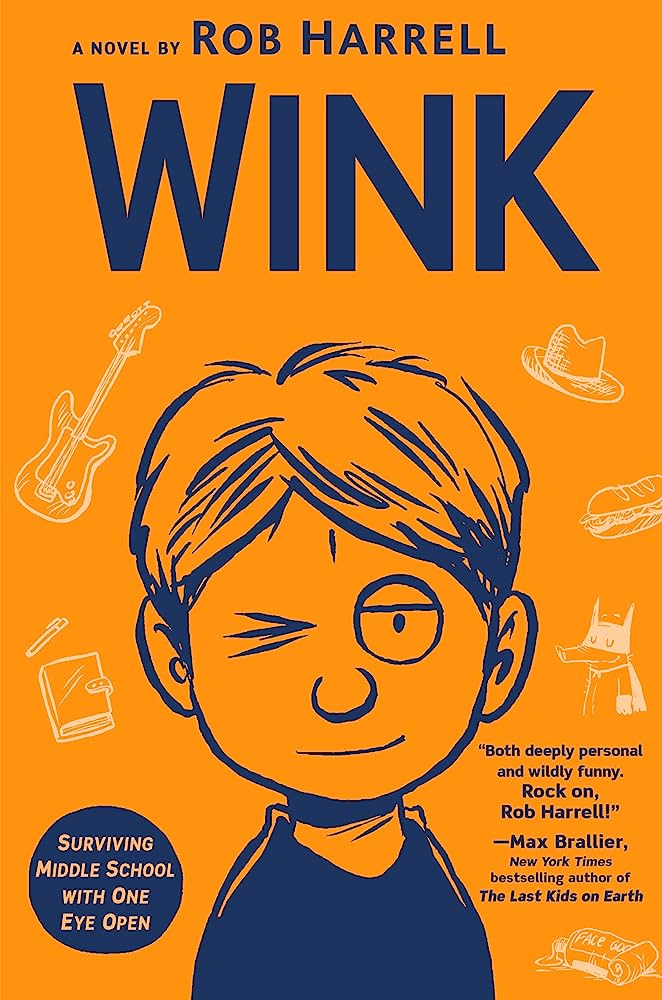
Wink by Rob Harrell

image: Amazon

Kid cancer stories. Usually maudlin, right? Not so with Wink. The author, basing Wink on his personal experience with eye cancer, creates an uplifting story of seventh grader Ross who must cope with not only dealing with all that goes with cancer treatments, but he also faces friendship schisms, bullying, crush disappointment, along with the usual angst of being a middle schooler.

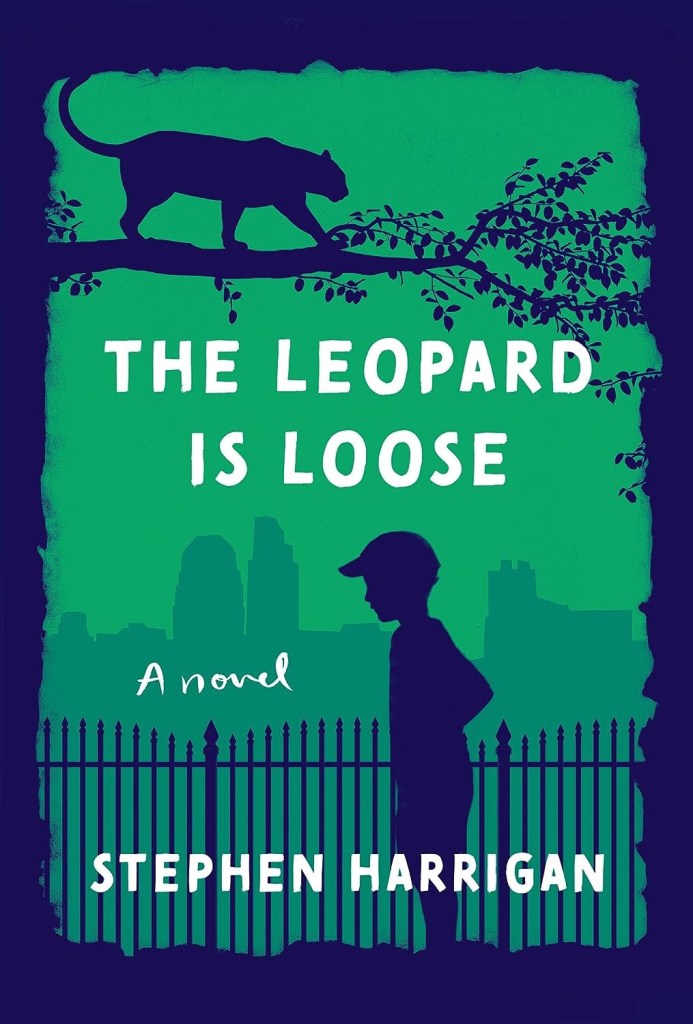
The Leopard is Loose by Stephen Harriman

image: Amazon

The Leopard Is Loose is a surprise read. The cover seems deceptively simple more suited to a juvenile read than a novel that reexamines a childhood trauma through the perception of an adult. The narrative is from a seventy year old man remembering the summer when as a five year old a leopard escaped from the town’s zoo. The loose leopard becomes a working metaphor as it represents a threat to the security to young Grady as does other aspects such as the volatile personality of his Uncle Frank who suffers from PTSD from his WWII experiences. Then there is the possibility of his widowed mother marrying which would mean moving away from all Grady has known. The author is deftly able to capture events and describe situations through the eyes of a five year old, yet embellish the unfolding with the perception of an adult looking back with gained knowledge and wisdom.

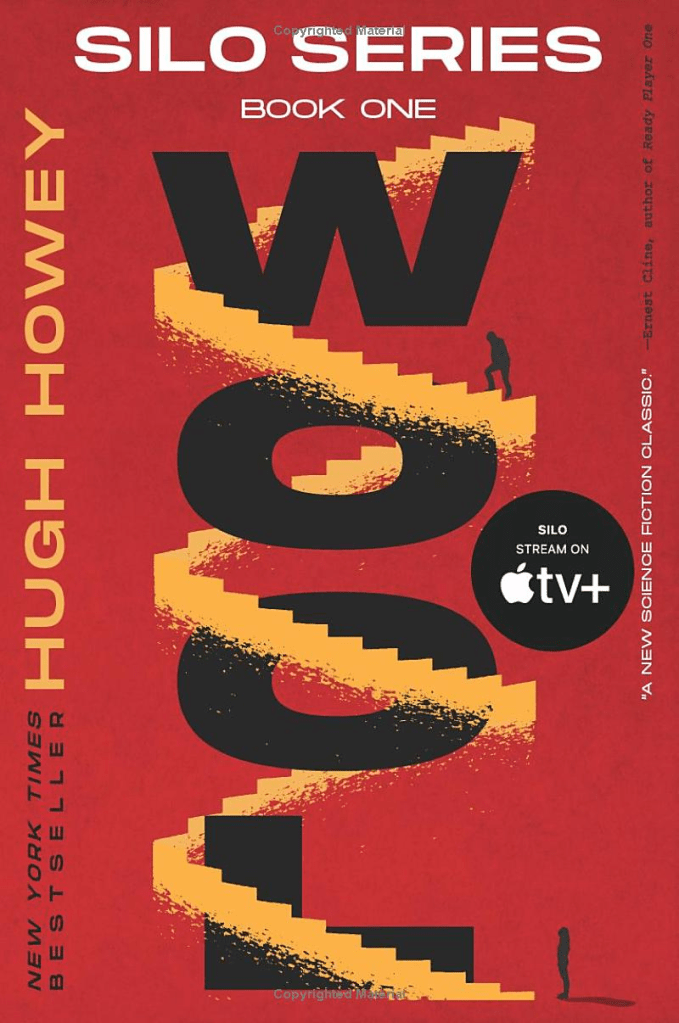
Wool by Hugh Howey

image: Amazon

A success story certainly deserves attention. Hugh Howey’s feat of shaking up the e-publish world with his short story and then the subsequent editions, proves ingenuity still survives. A unique dystopian idea where people live in underground silos as “seed” for better times definitely garners praise. While there are some plot holes as to how these people are able to successfully live from generation to generation as a self-functioning society, it’s the interpersonal connections that makes the long hike through the 500 page Omnibus so mesmerizing.

I read it eight years later after watching the Amazon series. After watching Rebecca Ferguson’s interpretation of Juliette I decided to reread the book. I wasn’t eager to revisit the story, remembering how it was difficult to fully get involved in the setting—a community living in a giant silo for how many generations? Yet, the story riveted me the second time because the series helped me visualize it this time around. Rebecca captured well Juliette’s plucky determination and most of the plot was covered.It’s a case of the book is the book and the movie is the movie.

I do suggest watching the series first and then reading the book. Shocking, I know. But it did change my rating from a four to a five.

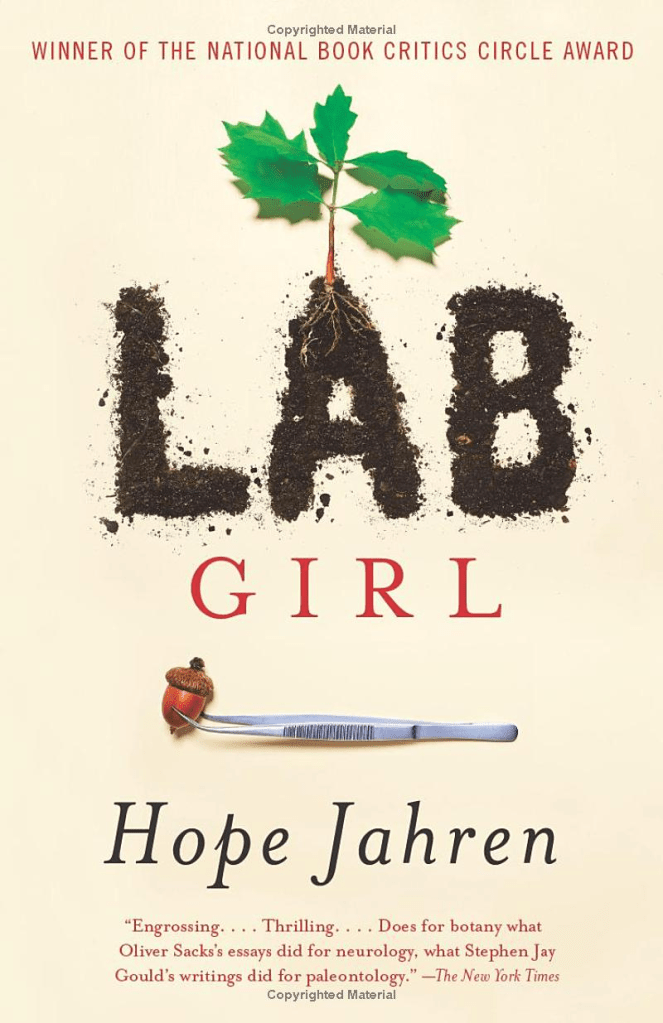
Lab Girl by Hope Jahren

image: Amazon

Lab Girl is a hybrid of a scientist’s insights about plant life and a revealing memoir that reveals the soul of poet who happens to be quite adept with the workings of a lab. She’s built three of them so it’s not surprising that Hope Jahren is recognized (by many, despite how she reckons women scientists don’t get all the credit due them) as a scientist of merit. Jahren’s intertwining vignettes, like the tree rings she fondly refers to, form her memoir, one that eloquently and at times is profoundly lyrical as she shares with her readers her unique perspective of seeing science through an English literature lens.

S by JJ Abrams and Doug Dorst

image: Amazon

With JJ Abrams listed as author I knew The Ship of Theseus would go where no book reader has gone before. Yes, his directorial credits of Star Trek and Lost are on full dial. However, Abrams is more of a show runner than author for this meta fiction wonderment. The writing credit goes to Doug Dorst, who may not be as well known yet proves he is a talented writer.

There are two novels. The first is The Ship of Theseus (SOT) which is an enigmatic tale of an amnesiac who sails kim with a gruesome crew and is tasked with ridding the world of a despotic autocrat. And our hero (antihero?) searches for the woman he deems as the key to his identity (as well as his heart).

The second novel consists of two college students. Jen has serious senioritis and Eric is an expunged grad student living in the shadows of the campus while he tries to complete research on VM Straka, the mysterious writer of SOT. These two tell their story through marginalia that first consists of their interactions and interpretations of SOT which leads to a friendship that blossoms into a relationship. As they trade ideas they reveal an undercurrent of espionage, intrigue, and conspiracy that is involved with Straka.

This not your usual read. While there is great effort to create a real book, library markings, aged pages, etc. it is all false. It is the illusion that there is a Straka, a conspiracy, two readers who literally get caught up in the book. It is very impressive and visually a treat. It is an experience and not merely another good read chalk mark on my Reading Challenge.

Oh, and the book contains over 20 inserts ranging from newspaper clippings to postcards to a decoder wheel. I enjoyed all the reviews, fan sites, and analysis about the book almost as much as reading it.

image: this book is full of surprises

Reading Round Up: October


The ability of freely reading after a long day of teaching and grading becomes an increasing struggle. Books are still a go to for defragmenting my brain, yet I find myself falling asleep way too soon as I relax while reading. It’s taking sooo much longer to get through my TBR stack. Sundays are becoming my reading days. And napping days. I do a bit of both.

Here are October’s highlights:

⭐️ ⭐️ ⭐️ ⭐️
Realistic slice of how one neighborhood copes with diversity.

⭐️ ⭐️ ⭐️ ⭐️ ⭐️
Overall, a thoughtful contemplation about what to do when the realization that life might be shorter than initially expected. While the foreign names and places were sometimes difficult to keep straight, the challenge of absorbing deep truths proved worthwhile.

NOTE: As much as I appreciate Jeremy Irons, I found the film adaptation so different from the novel I had to resort to my “the movie is the movie and the book is the book” philosophy. The book, of course, is so much better.

  • Reading Goal Update

Though my usual reading time is cut almost in half with my attention diverted to school again, I’ve managed to read past my yearly Goodreads goal of 101 books, and I am now at 121 titles for the year. Should I reach for 135 like I have previously? Ooh, that might be a challenge to consider…

The Morphing of the Omni Narrator


Right now we are toughing out poetry with my freshmen. *sigh* “We study poetry because oral storytelling came before the written language came into existence, plus many of the elements we study in poetry exist in fiction–you know, like imagery, diction, syntax, metaphors, analogies–so get to know poetry and you’ll understand and enjoy fiction that much more.”  And the question? (Jeopardy music, please)

Why do we study poetry?

Returning to the anticipated second quarter…(quick, quick, I’m losing them)

Once I get to short stories in the curriculum it’s pretty easy sailing, since my students are versed in plot, characters, setting, and such. Theme sometimes throws them; however, point-of-view gets them pondering. For instance, trying to explain the omniscient narrator is tricky these days. Back when, I used to say, “The Omniscient narrator is a lot like God–you know, everywhere and knowing everything about everybody.” I’m getting less comfortable about using that analogy in such a forthright manner.  I still believe it’s a valid analogy, yet don’t want to offend any of my students.  Let alone get the ACLU or other NSA types coming after me.

Cover of "The Long Winter"

Cover of The Long Winter

Another problem with trying to explain the omniscient narrator is that the old-fashioned version of the narrator filling into the details has changed into something quite different. For instance, I recently reread The Long Winter by Laura Ingalls Wilder (don’t snicker, it’s a great read, besides it’s for research–really) and Wilder includes in the story what’s happening to the town’s people and to Almanzo and Cap who are all caught up in a grueling blizzard, in an inclusive fluid manner.  I rarely come across this type of narrative style today. As Bob Dylan once said, “Times they are achanging.”

In the last few years I have noticed a trend where the omni narrative is now designated as separate chapters.  This at first proved quite annoying because the point-of-view kept changing. One chapter would be one character, the next a completely different one.  I felt like I was juggling characters to the point of wanting to run an Excel sheet to keep it all straight.

The last few novels I’ve read have run this narrative style, and every new book I’m pulling from my suggestion list and review newspapers seem to be pandering this new style. I keep checking them out though.  I’m either getting used to this new kaleidoscopic style of story-telling or I’m so starved to read I’m willing to put up with it.

Here are some examples of recent titles with the switch-hit character changing technique. Enjoyable reads all, but fret and nuisance, doesn’t anyone write in the old-time omni narrative style anymore?


Any thoughts, Book Boosters?

Paper Angels


Paper Angels by Billy Coffey

Not everyone who wishes on a star gets an angel.  Andy Sommerville does though.  Childhood tragedy has Andy wishing, praying underneath the stars for an angel to come and watch over him.  When the star winks, The Old Man appears, and stays with Andy throughout his life.  As Andy matures into adulthood he begins to view The Old Man as a blessing and a curse, since no one else can see him but Andy, and people, especially prospective girlfriends aren’t always receptive and open to men who talk to themselves.  The Old Man stays with Andy up until he needs him most.  A senseless crime puts Andy in the hospital and Andy struggles with the aftermath of the tragedy.  He can’t believe The Old Man is leaving him, yet he says God has sent Elizabeth to take his place.  Can Elizabeth help Andy sort out his life?  Will she have the answers to his questions?

Ambiguity.  There is something about a story that leaves us wondering, that makes it become a standout.  Think back to your high school English class and when I drop “The Most Dangerous Game,” “The Sound of Thunder,” “The Interlopers,” and of course, “The Lady or the Tiger,” into your memory chute, you know exactly what I am talking about.  Billy Coffey stretches out Andy’s story, and leaves the reader blinking and thinking a bit at the end, wondering if the ending is really what it is supposed to be.  As for me, I’m content to believe there are angels, aren’t you?

Post Navigation