Pam Webb

a writer's journey as a reader

Archive for the tag “juvenile books”

Reader Roundup: July/August


Once August ends summer ends. At least that what it feels like in my part of the world. A week ago Saturday, the last day of the county fair, I sat in the library booth, sweltering with 92 degree weather. The next day the temperature registered 65 degrees, and our pastor announced to the congregation: “Welcome to fall.” The weather remains gently warm since that Saturday.

Despite the temperature change, and no matter that school is ramping up to start, I am still clinging on to that summer feeling since I don’t have to go back to school (reflecting on Alice Cooper lyrics). Instead, I can keep hanging out in my hammock, as long as the weather holds, and soak up the sun while immersing myself in some good/great reads.

I didn’t realize there was a Summer Reading Challenge besides the one Goodreads puts out, until I came across the 746books post about reading 20 books over the summer. I decided to go through my Goodreads book list to see if I had read at least that many. Umm, I read 60 books. This is almost embarrassing.

Anyway–

Not wanting to deluge you with my summer reading list, here are my top reads from July and August:

Sniper: a YA Survival Thriller About Danger and Mystery at a Wildlife Preserve by Theodore Taylor
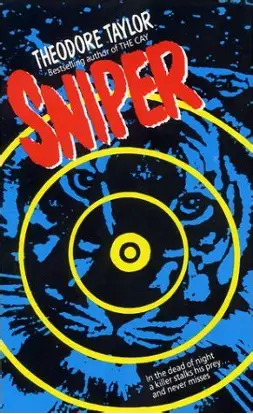
This arrived as a donation to the library and while the cover and title didn’t entice me, I remembered reading Taylor’s The Cay and was impressed with his story of Philip, a boy who is marooned with Timothy, a West Indian. Taylor’s story is once again about a young teen who is placed in a difficult survival situation where he has to rely on others than his own culture in order to survive. A sensitive and thrilling novel that I enjoyed while hanging out at the beach.

The Unselected Journals of Emma M. Lion by Beth Brower
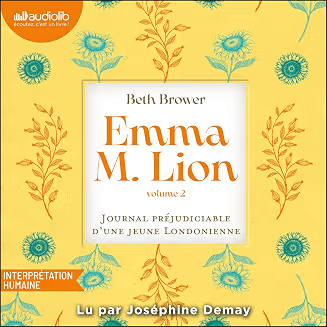
I have been rereading the Emma Lion journal series by Beth Brower via the audiobook. This makes for the third time enjoying the exploits of Emma as she comes into her majority as an orphan in Victorian times. She is a plucky heroine, bordering on shockingly sassy, as she survives crochety aunts, irascible cousins, balances her budget, as she navigates friendships and a blossoming romance. Brower is adept at humorous dialogue, witty repartee, while presenting subtle satire on social manners. This is Jane Austen with minimal restraint.

The Outside Boy by Jeanine Cummins
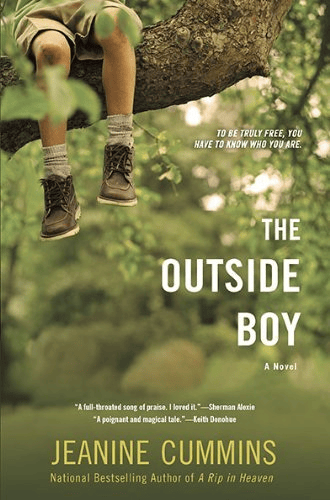
Christy is a traveller, an Irish pavee. The life of the open road, of having no settled roots is the only life he’s known. Yet, he questions about his mother’s death. He feels that the story she died in childbirth doesn’t ring true and he wants answers.
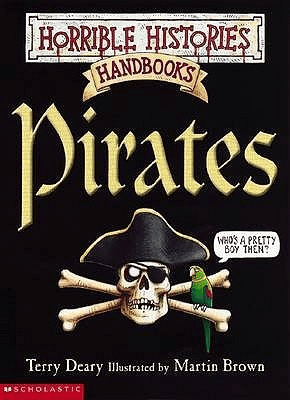
Pirates by Terry Deary

A slim little handbook that dispels the myth that pirates were Disneyfied. Entertaining illustrations to boot.

Bumblebee Season by Eileen Garvin
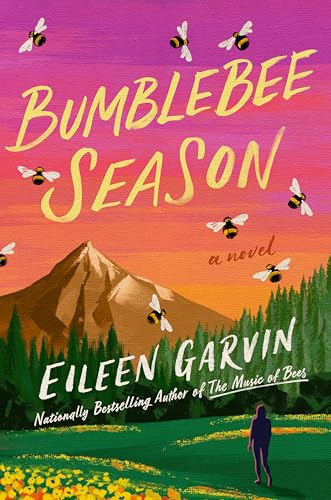
In this sequel to her first book, The Music of Bees, Garvin tackles heavy issues while juggling three character stories, and does so with aplomb. I’ve a penchant for bee books. Hmm, maybe a need to do a bee book review post…

Hawthorne and Horowitz: #6 A Deadly Episode by Anthony Horowitz
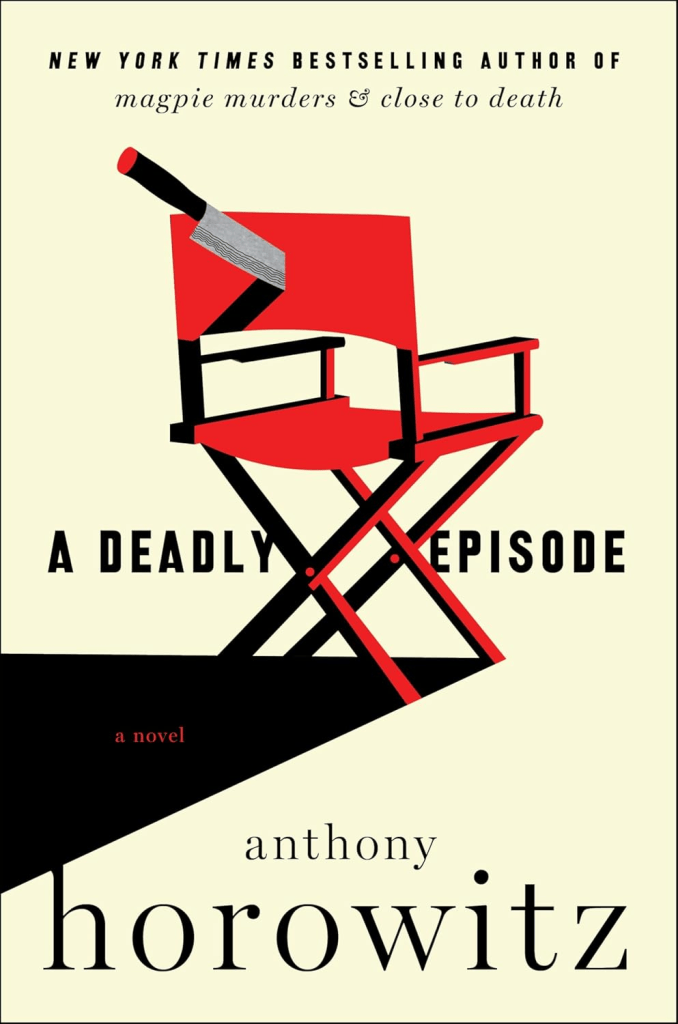
The sixth installment of H and H receives a reluctant five star rating, going from a three (the initial mystery of the murdered prima donna actor—rather cliche), to the Foss Hall murder becoming a four (much more interesting and more like a Susan Ryeland setup), and the denouement pub scene sliding the rating up to five due to the Horowitz clever factor kicking in.

A Gentleman in Moscow by Amor Towles
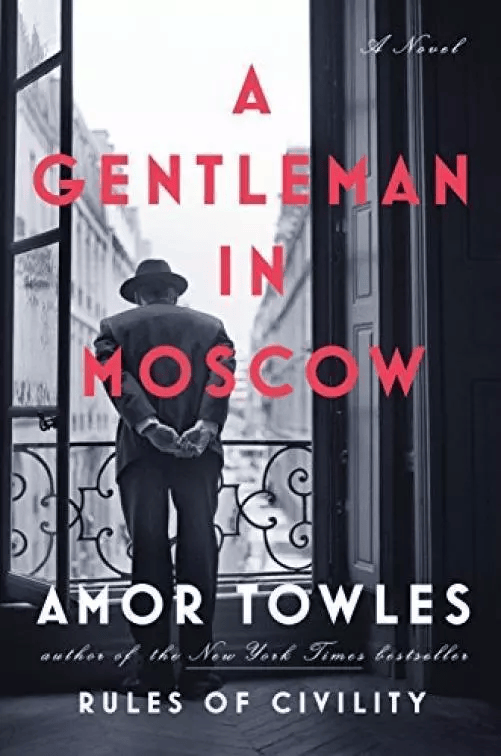
A third rereading for the library book club, and it was still enjoyable. Count Rostov’s house arrest in the posh Russian hotel reads like a fairy tale in many ways. He suffers, yet also has many privileges compared to those living outside the walls of the hotel. The DVD series captures the heart of the story and Ewan McGregor’s version of the count is charming.

The Correspondent by Virginia Evans
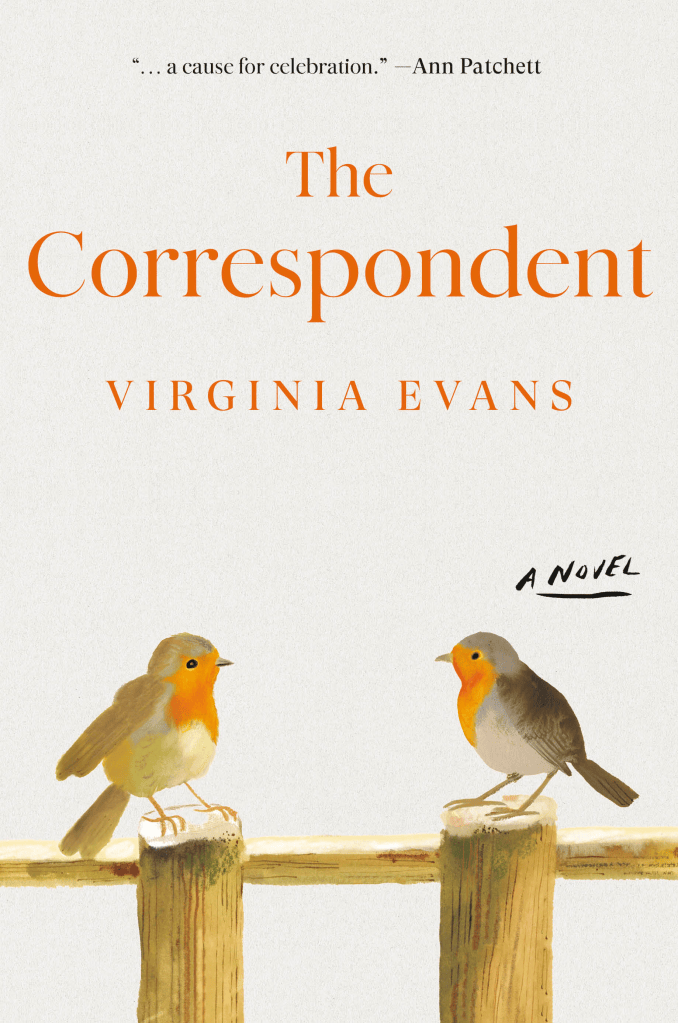
The first go round didn’t go well. Not wanting to read a book that contained the musings (rants) of an old woman, the book found its way back to the library.

Months later, this book kept popping up as a must read, and due to the sincere encouragement of a friend the book was requested. Being put on a hold list with 21 other patrons secured the pressing concern that it had to be that good to have to wait so long.

It was.

Tuck Everlasting: The Graphic Novel by Natalie Babbit; illustrator/designer K. Woodman-Maynard
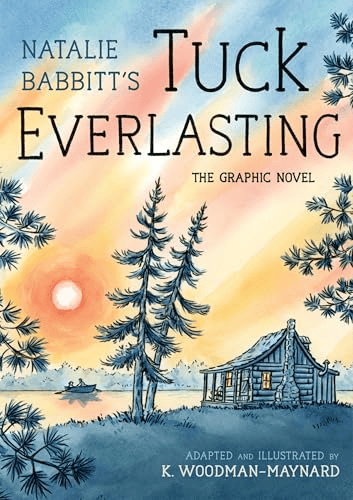
A fine tribute to Natalie Babbitt’s enduring tale of the Tucks. A story that continues to impact readers generation after generation.

Woodman-Maynard’s graphic novel captures the essence of the story both visually and textually, adding in her own insights without diminishing Babbitt’s.

It’s raining as I complete this post and rain is forecasted for the next week. The upside to this inglorious conclusion to summer weather fun is that the rain is welcome due to all the fires in our area. Another upside to a rainy day is how it simply invites a person to grab some cocoa and cozy into my chair and fall into a good read.

Any summer reads to share?
Reader Roundup: August


August around my parts is a combination of 90+ heat and smoke saturation creating one to two weeks of limited outside adventures. Fortunately I had a stack of really good reads to pass the the time. These are ⭐️ ⭐️ ⭐️ ⭐️ ⭐️ reads.

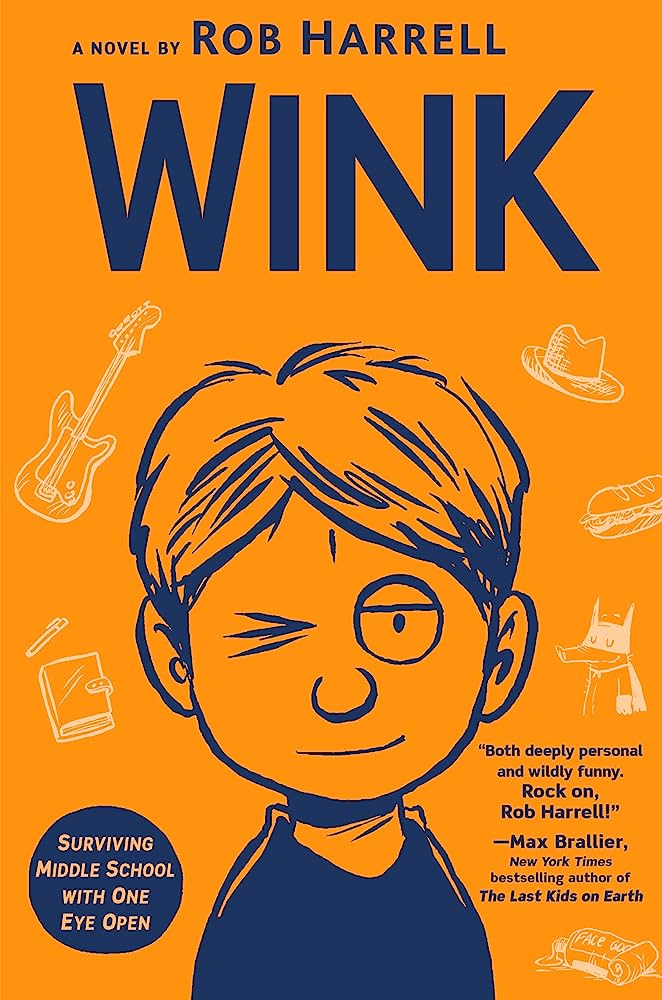
Wink by Rob Harrell

image: Amazon

Kid cancer stories. Usually maudlin, right? Not so with Wink. The author, basing Wink on his personal experience with eye cancer, creates an uplifting story of seventh grader Ross who must cope with not only dealing with all that goes with cancer treatments, but he also faces friendship schisms, bullying, crush disappointment, along with the usual angst of being a middle schooler.

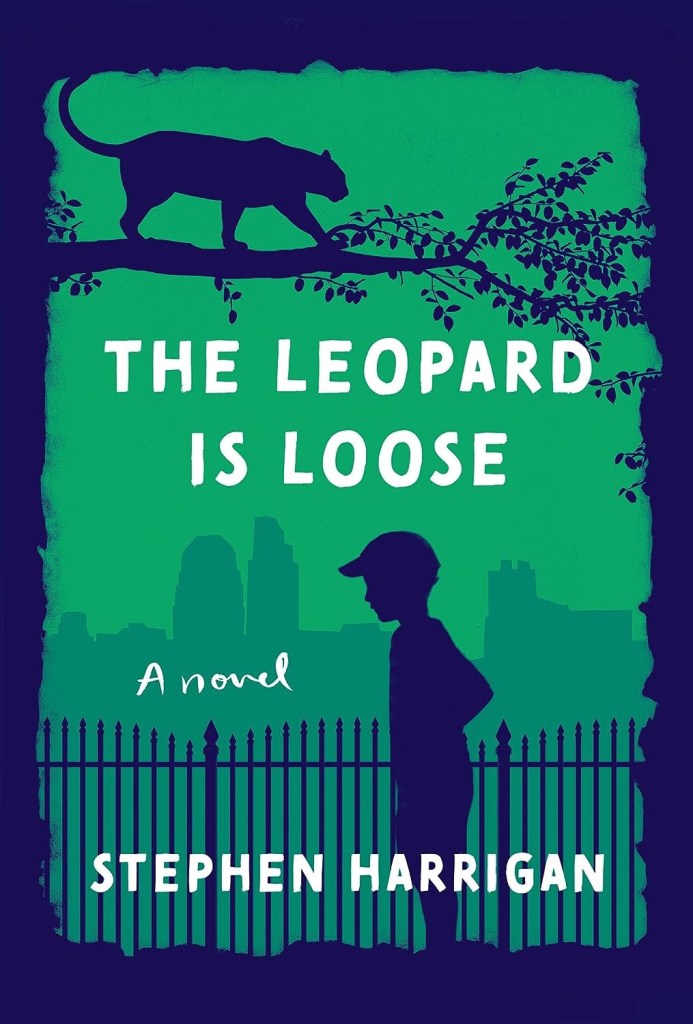
The Leopard is Loose by Stephen Harriman

image: Amazon

The Leopard Is Loose is a surprise read. The cover seems deceptively simple more suited to a juvenile read than a novel that reexamines a childhood trauma through the perception of an adult. The narrative is from a seventy year old man remembering the summer when as a five year old a leopard escaped from the town’s zoo. The loose leopard becomes a working metaphor as it represents a threat to the security to young Grady as does other aspects such as the volatile personality of his Uncle Frank who suffers from PTSD from his WWII experiences. Then there is the possibility of his widowed mother marrying which would mean moving away from all Grady has known. The author is deftly able to capture events and describe situations through the eyes of a five year old, yet embellish the unfolding with the perception of an adult looking back with gained knowledge and wisdom.

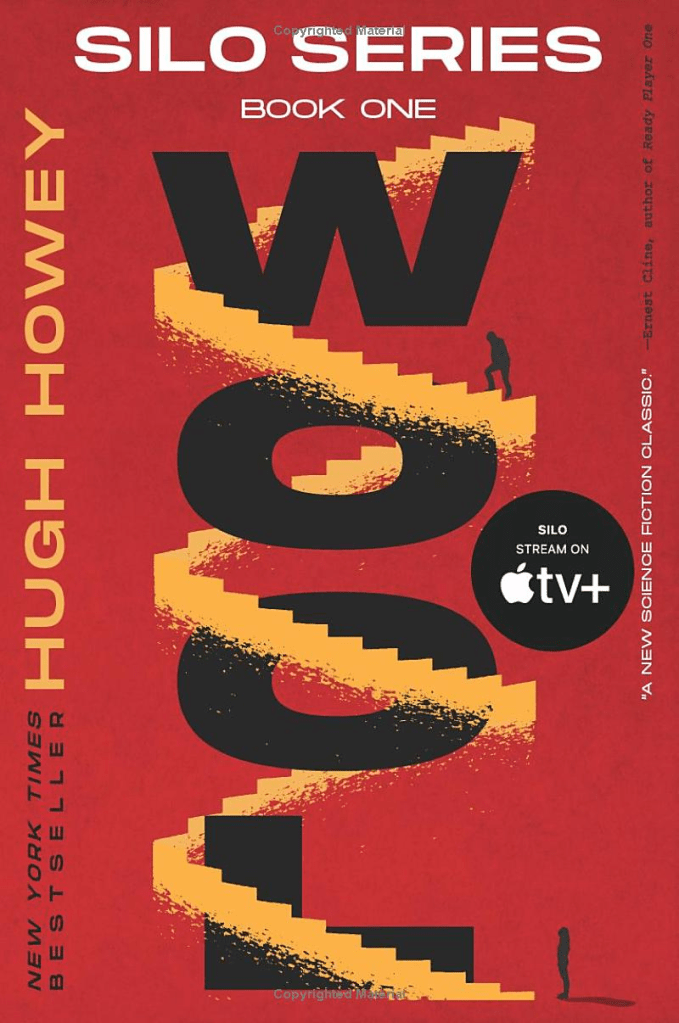
Wool by Hugh Howey

image: Amazon

A success story certainly deserves attention. Hugh Howey’s feat of shaking up the e-publish world with his short story and then the subsequent editions, proves ingenuity still survives. A unique dystopian idea where people live in underground silos as “seed” for better times definitely garners praise. While there are some plot holes as to how these people are able to successfully live from generation to generation as a self-functioning society, it’s the interpersonal connections that makes the long hike through the 500 page Omnibus so mesmerizing.

I read it eight years later after watching the Amazon series. After watching Rebecca Ferguson’s interpretation of Juliette I decided to reread the book. I wasn’t eager to revisit the story, remembering how it was difficult to fully get involved in the setting—a community living in a giant silo for how many generations? Yet, the story riveted me the second time because the series helped me visualize it this time around. Rebecca captured well Juliette’s plucky determination and most of the plot was covered.It’s a case of the book is the book and the movie is the movie.

I do suggest watching the series first and then reading the book. Shocking, I know. But it did change my rating from a four to a five.

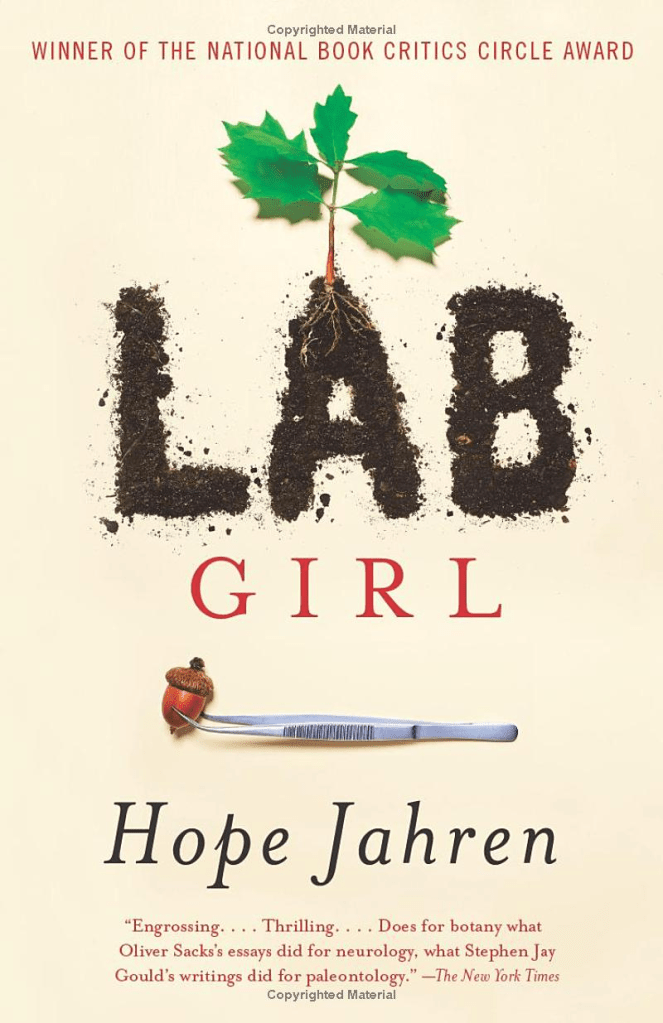
Lab Girl by Hope Jahren

image: Amazon

Lab Girl is a hybrid of a scientist’s insights about plant life and a revealing memoir that reveals the soul of poet who happens to be quite adept with the workings of a lab. She’s built three of them so it’s not surprising that Hope Jahren is recognized (by many, despite how she reckons women scientists don’t get all the credit due them) as a scientist of merit. Jahren’s intertwining vignettes, like the tree rings she fondly refers to, form her memoir, one that eloquently and at times is profoundly lyrical as she shares with her readers her unique perspective of seeing science through an English literature lens.

S by JJ Abrams and Doug Dorst

image: Amazon

With JJ Abrams listed as author I knew The Ship of Theseus would go where no book reader has gone before. Yes, his directorial credits of Star Trek and Lost are on full dial. However, Abrams is more of a show runner than author for this meta fiction wonderment. The writing credit goes to Doug Dorst, who may not be as well known yet proves he is a talented writer.

There are two novels. The first is The Ship of Theseus (SOT) which is an enigmatic tale of an amnesiac who sails kim with a gruesome crew and is tasked with ridding the world of a despotic autocrat. And our hero (antihero?) searches for the woman he deems as the key to his identity (as well as his heart).

The second novel consists of two college students. Jen has serious senioritis and Eric is an expunged grad student living in the shadows of the campus while he tries to complete research on VM Straka, the mysterious writer of SOT. These two tell their story through marginalia that first consists of their interactions and interpretations of SOT which leads to a friendship that blossoms into a relationship. As they trade ideas they reveal an undercurrent of espionage, intrigue, and conspiracy that is involved with Straka.

This not your usual read. While there is great effort to create a real book, library markings, aged pages, etc. it is all false. It is the illusion that there is a Straka, a conspiracy, two readers who literally get caught up in the book. It is very impressive and visually a treat. It is an experience and not merely another good read chalk mark on my Reading Challenge.

Oh, and the book contains over 20 inserts ranging from newspaper clippings to postcards to a decoder wheel. I enjoyed all the reviews, fan sites, and analysis about the book almost as much as reading it.

image: this book is full of surprises

Reader Round Up: November


Thanksgiving break proved extra relaxed this year since no traveling was involved and no expected or unexpected company . The only obligation was making two pumpkin pies. Oh, with a side of Thanksgiving dinner.

Less demands meant more reading time. Check out the links to the Goodreads reviews. Here are November’s highlights:

Carrie’s War by Nina Bawden
⭐️ ⭐️ ⭐️ ⭐️ ⭐️
Sometimes seeing the movie can spark an interest in the book. Of course the book was better. A brother and sister are shipped to the country as part of the WWII evacuation. No matter how many of these type of stories I read I continue to find each of them intriguing.

The movie

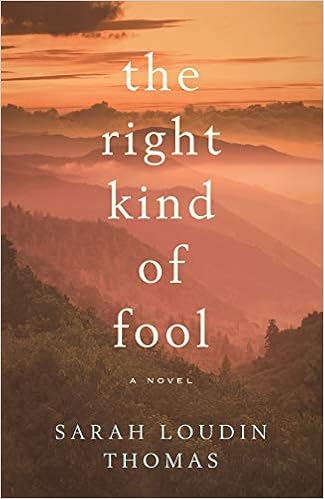
The Right Kind of Fool by Sarah Loudin Thomas
⭐️ ⭐️ ⭐️ ⭐️ ⭐️
The newest Appalachia story from Sarah. Her books are always provide an particular insight into the region based in some way a true story. In this case, the story revolves around a deaf boy and a murder mystery.

We Are All Welcome Here by Elizabeth Berg
⭐️ ⭐️ ⭐️ ⭐️ ⭐️
Based on a true story of a woman who gave birth while in an iron lung. A likable tale that transcends into an implausible fairy tale with a surprise appearance of Elvis.

My Daniel by Pam Conrad
⭐️ ⭐️ ⭐️ ⭐️ ⭐️
A story of the enduring bond between a brother and sister set during Nebraska’s early settler days. An added element is dinosaur fossil hunting.

Up a Road Slowly by Irene Hunt
⭐️ ⭐️ ⭐️ ⭐️ ⭐️
Another older Newbery find. A young girl is sent to live with her spinster aunt when her mother dies. The catch is she has a family in town and they are all on good terms, which is unusual for a story plot. Not an orphan, definitely loved—the conflict? Which family is her true home?

My reading list is still filled with a composite of classics, Newbery titles, and new releases. My favorites tend to be the old Newbery winners. Nothing like solid writing from the past where the big problems of today were not in residence.

Post Navigation