Aargh: Talking as Pirates
The National Calendar says it is Talk Like a Pirate Day on September 19th.
Even before Jack Sparrow and his crew, pirates held sway with many a landlubber, pirates have captured audience appeal through books, film, and even an operetta.
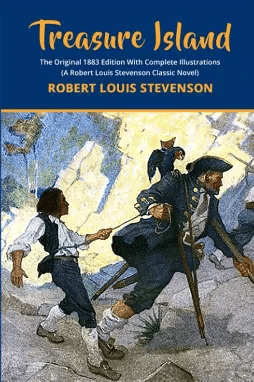
Treasure Island by Robert Louis Stevenson introduced the world to the conundrum of a likable rogue through Long John Silver.
A host of pirate films hit the silver screen starting in the 1900s with Douglas Fairbanks as the memorable swashbuckling Black Pirate, which set the standard for action-adventure for films to come.
Avast me hearties, there was clamoring for more pirates, so MGM delivered their version of Treasure Island in 1934, starring Lionel Barrymore, Jackie Cooper, and Wallace Berry. Its black and white production produced a thrill for audiences and is a faithful adaptation of Stevenson’s classic, becoming a classic itself.
All sorts of pirate movies sailed through cinema after TI, ranging from Seahawk with Errol Flynn, who added romance to his adventures sailing on to Disney’s contribution to Long John Silver (this version probably started that distinctive pirate diction).
Then there the films that feature the British Navy battling pirates such as Gregory Peck in the 1950’s Horatio Hornblower. Even Davy Crockett dabbled with pirates on the Mississippi River. Lest we not forget Julius Caesar had his own adventure with Mediterranean pirates.
There were also cinematic women pirates. And lots of Hollywood stars got the pirate itch: Yul Brynner, Ricardo Montalban, Rod Taylor, Frank Sinatra, Kirk Douglas, Tommy Lee Jones, Robert Duvall, Dustin Hoffman, Geena Davis, even the Muppets, and that barely tickles the barrel of pirate wannabes. It’s as if having at least one pirate films on the resume was a requirement for Hollywood acceptance.
I’m not forgetting Pirates of the Caribbean, but those films have received their due contribution and consideration.
How about revisiting Gilbert and Sullivan’s 1879 comic opera, The Pirates of Penzance? This is definitely an early, early introduction to pirates being likable, and even entertaining. Did you catch the film version with Kevin Kline (spoiler: this clip is the bang up finale) and Linda Ronstadt?
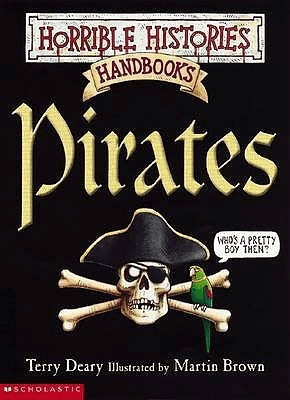
Of course, real pirates were bloodthirsty, morally bankrupt lot. My pirate book says so.
But we still celebrate pirates. We still read the books (like Mike Allegra’s wonderful Pirates and Penguins). We still watch the films and we still Talk Like a Pirate. Even my mother was a pirate for a short time (but that’s a different story).
Shiver me timbers, beware of false doubloons and all that sort of stuff on this piratey day.
Question: What is the appeal of pirates? Hey, Mike Allegra–if you are out there this is your opportunity to make a public appearance and promote your pirate books…