
How Cliché: Fit to a “T”
Getting closer to the end of the cliché alphabet. Here are a few popular “T” sayings:
- Tables are turned: the situation has changed. This well-known idiom comes from 17th century game board playing such as backgammon, a game where players could switch or “turn” the board (or table) with the ability to gain the upper hand.
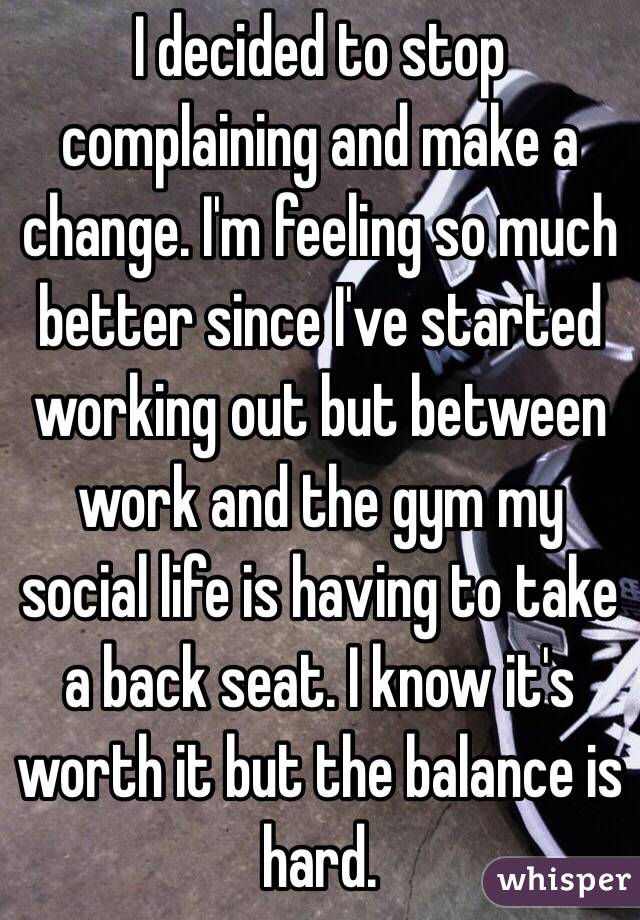
- Take a back seat: to find oneself subordinate. In the 19th century stagecoach travel was common and travelers who were in less standing or importance would inevitably end up in the less desirable back seat which prompted the saying to come to mean being reduced to less prominent position.

- Take a hike: to take long walk; to go away. Mid-19th century people were used to walking, sometimes involving long hikes which meant going away from people or a place, developing into a phrase that meant telling some to go take some air, to leave, sometimes in a rude manner.
- Take a leaf out of someone’s book: setting an example. The saying refers to 1800s practice of actually taking a page or “leaf” from someone’s book to copy their example or style. It originally alluded to the copying or plagiarism, later developing into today’s usage of following someone’s example because of admiration or success.
- Take a nosedive: to fall unexpectedly. The 20th century ushered in airplanes, and early airplanes could lose altitude unexpectedly. The meaning now refers to a sudden drop in a situation, condition, or state of being.

- Take a raincheck: to politely decline. If it rained during 19th-century baseball spectators could receive a voucher or “rain check” for free admission to another game.
- Take a shine to: to form an attraction. “Shine” in 19th century vernacular meant taking a sudden liking to someone, seeing the attraction or “shine” in their eyes. Today people use the expression to indicate immediate fondness for someone or something.
- Take a straw poll: an informal survey. In the early 19th century newspapers who wanted to get a feeling for how the public felt about a matter, such as a presidential election, they would take an impromptu survey among people. The informal method was likened to tossing straw into the wind due to its lack of scientific method. Today when people are looking for a quick opinion among a group they will take a straw poll.

- Take by storm: a forceful overcoming. Going back to the 1600s military campaigns could be waged with such force it was compared to a storm overcoming an area, which has developed into the phrase meaning to win over a situation with impressive results.
- Take for granted: believing something will always be true. The 1600s say “granted” to indicate something to be true without requiring proof. In contemporary days the saying has come to mean taking advantage of someone, expecting someone or something to always be available, believing its true.
- Take forty winks: a quick nap. Combing British phraseology and Biblical reference “wink” refers to a 19th century English book extolling the virtues of taking short rest and “40” is found in the Bible a term referring to indefinite amount of time. If someone takes forty winks they aren’t blinking forty times they are resting for an undefined amount of time.

- Take guts: to have courage or bravery. Long ago in the 14th century people believed a person’s personality or soul lay in the region of their stomach or “guts,” and to rally up needed emotions for a tough situation requiring fortitude, they would be advised to “have the guts” to face the matter. Today the phrase still alludes to digging deep within for the needed bravery.
And that’s just a sample of “T” clichés. What are a few sayings to add?












 King George apparently started the white wig fashion–or is someone pulling the wool over my eyes?
 Did the Duke duck when a fight broke out?


 Pam Webb