A healthy portion of my reading and viewing interest involves British ones, (or UK, since I like a good go at Scottish stories), and while I can mostly figure out context, there are times when the chosen vernacular requires clarification.
As a subscriber to Dictionary. com (you should if you haven’t yet–it’s a must for bonafide Word Nerds) I daily get delivered, warm and fresh, new ways to look at words. Recently the focus for the day was how some words look the same but are either pronounced differently or mean something differently depending which country the story hails from. Viva la difference UK and USA.
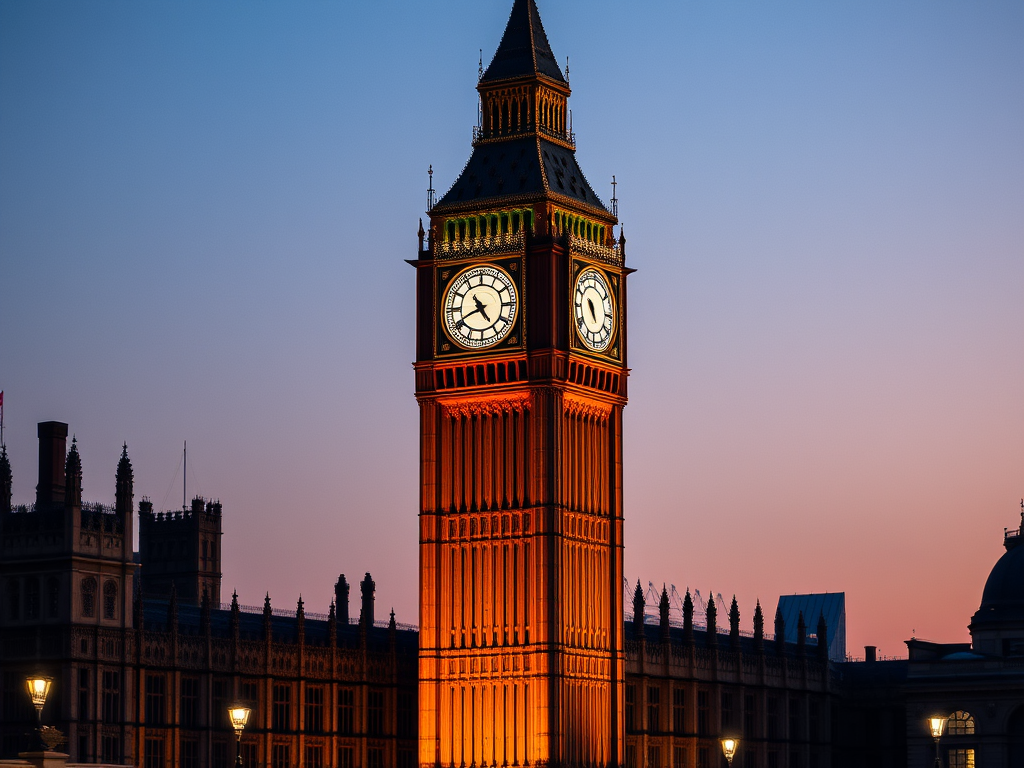
Some choice examples: American (Big Apple) British (Big Ben)
football=soccer
cotton candy=candyfloss
apartment=flat
french fries=chips
cookie=biscuit
cell phone=mobile
parking lot=car park
awesome=brilliant
Should the next time you read a PD James or tune in for a BBC show and if what the characters say leave you flummoxed, it’s hoped that you’ll be more on the uptake from getting the low down.
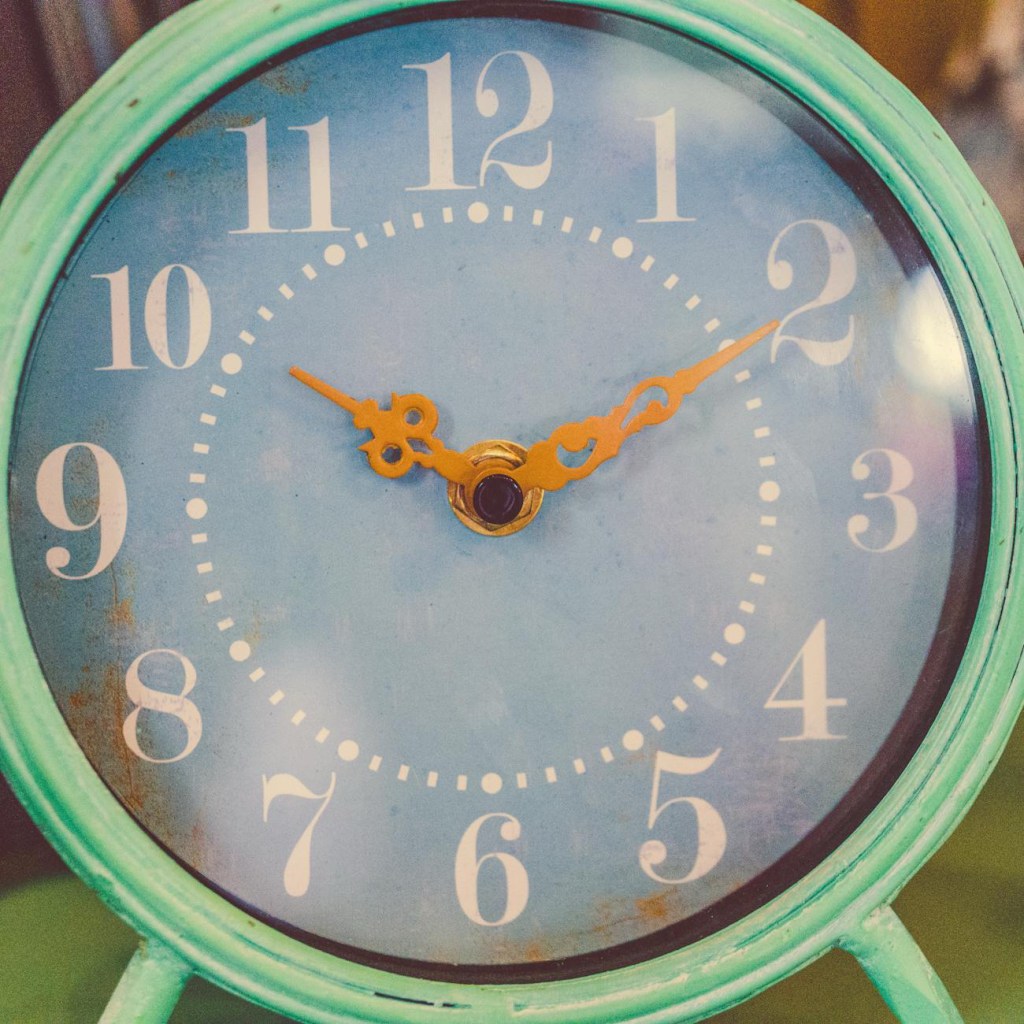
I’m almost adjusted to the annual switcheroo, although that shock and surprise of darkness descending at 4:30 pm and waking up at 6 am and thinking it must be the middle of the night because it is so depressingly dark never has become something I’ve grown used to over my lifetime of turning the clocks back one hour in the fall.
Whew-a paragraph of quiet rant. Thank you for allowing that. I do feel better.
With time on my mind, I thought I would dedicate this month’s Word Nerd post to words that reflect time. Ready?
At least one full page!
How are you coping with the time change. You are excused if you are from Hawaii or Arizona.
If you identify with parent of school age children, then I commiserate with you for the back-to-school shopping marathon. Well, yes, it is exciting getting the kiddos ready for another (or their first) foray into the classroom routine. But it is tiring and expensive.
If you are a student, you are either bummed or excited, or perhaps a bit of both, since it means put a pause on summer fun in order to focus on the mojo needed to get into the school routine.
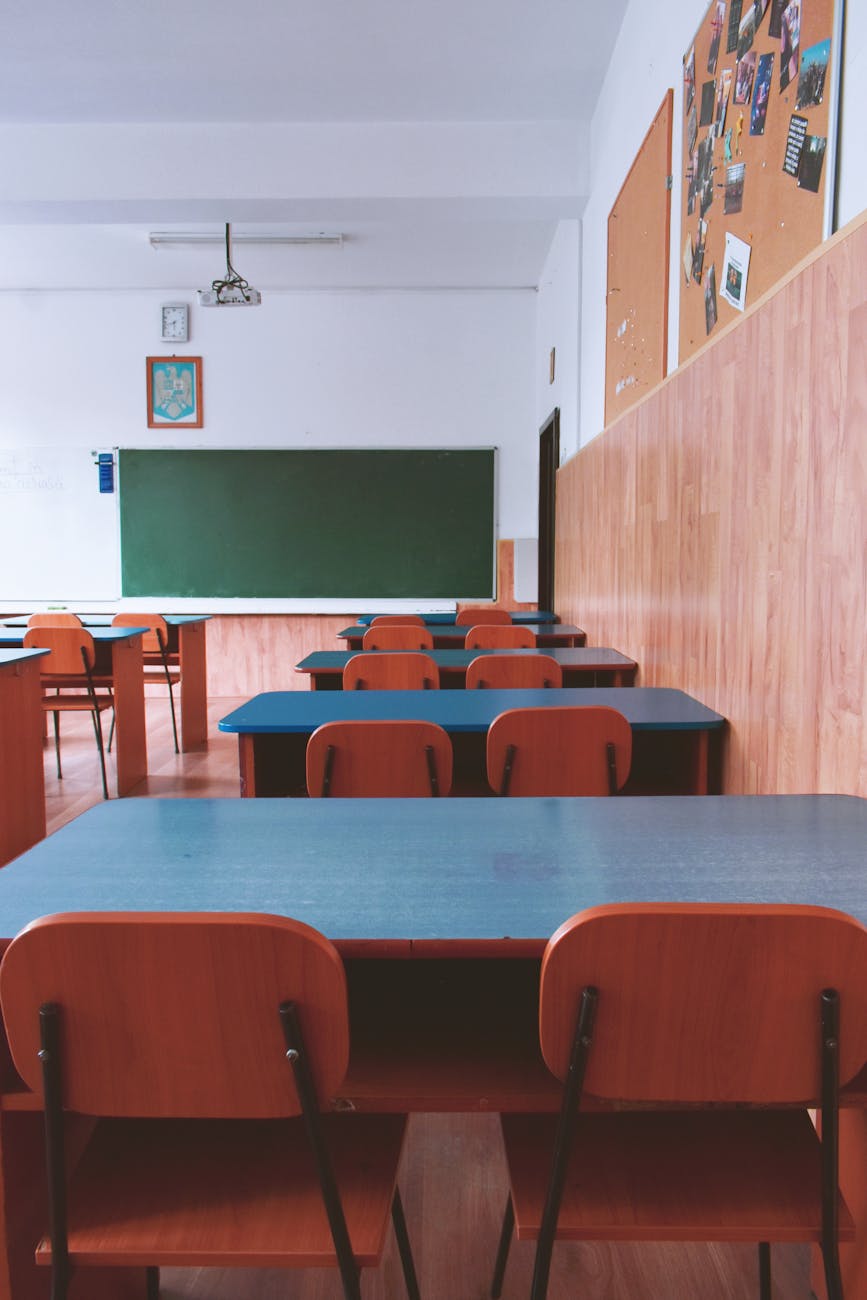
As a teacher, you are no doubt either already back in the classroom (depending on where you teach) or bum-weary from having to sit through endless admin-led meetings while you would rather be preparing your room.
None of the above? You are probably then retired or an empty-nester or perhaps neither a parent or teacher, although you vaguely remember your September back-to-school days.
This marks my fourth September I will not be returning as a teacher, yet I found myself back on campus anyway. My retirement days are centered around books: I’m either reading them, writing them, or doing something with them that is library related. Today I dropped off a box of donated of books to a couple of schools, one of which was where I formerly taught English.
Yes, it was strange.
No, I didn’t miss it.
Yes, I briefly said “howdy” to some former compadres. And yes, I delivered my usual line of “I highly recommend it!” when asked how I like being retired.
Okay, fine–I do miss some aspects of being a teacher, such as getting to know my students, watching them catch the spark of appreciating literature, lunch time sessions with teacher chums, and staff meetings (just kidding on that one).
So, here is hoping your back-to-school blues aren’t severe, and hoping the school year is fabulous, whether you are in a school desk, behind the teacher’s desk, or planning a cruise since everyone else is back in school.
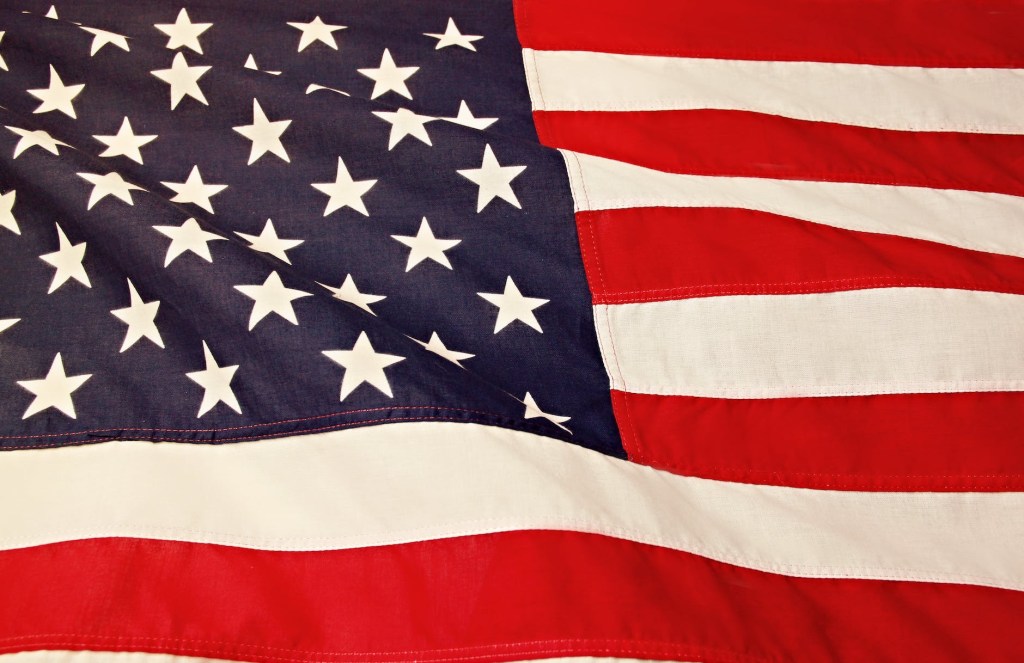
June 14th commemorates adopting the flag of the United States, which all began June 14, 1775.
No worries if you didn’t even know about it. The banks are open, so is the library, and there will be no parades or a big star-studded concert at the nation’s capitol.
I will celebrate by hanging out our flag and by going out to dinner. Then again it’s my birthday and what better way to celebrate than to have flags hung out and enjoy a night out.
Hope you find a special way to celebrate Flag Day—even if it isn’t your birthday.
I once worked in a Petri dish. Working in a school there is always the possibility getting infected with something–simple stuff, like a cold to gross stuff like pink eye. In twenty years teaching I managed to avoid the worst of it: Covid.
BC: Before Covid there was the usual dealing with colds, flu, even walking pneumonia, yet knowing recovery would be around the corner helped get through those times. Sick days taken, taking time to get healthy–all a given.
Then–2019. Masks, disinfectant, isolation, on-line education, tests kits, and other aspects became de rigueur.
Going back into the classroom amidst a pandemic compounded the usual stress that comes with working in education. Early retirement sounded better and better.
Wait a minute, two years into retirement, essentially living like a hermit, picking and choosing which places and opportunities to go and participate in, living a careful preventative life (get a booster, wear a mask if feeling sniffly) just how did Covid arrive on my doorstep, especially having avoided it all that time surrounded by it when teaching?
Well, it began with that little back of the throat tickle, the one that says “Hey, a cold might be coming–take care.” Not being sick for two years (funny how getting away from that Petri dish almost guarantees better health), I thought, “I guess I can handle a cold. Three days tops.”
It wasn’t a cold.
DC: There was that niggling suspicion something was amiss. The next day I woke feeling miserable. The yuck truck slammed into me with a fever, aches, and the need for a constant supply of tissues. Deciding to finally make use of that little government kit that’s been up on the shelf gave me that dreaded indicator: Covid.
The shock hits because of all the horrible stories come to the surface: losing smell and taste, getting hospitalized, even dying. It’s almost akin to getting snakebit. I absolutely did not seeing it coming.
Sparing details. I did cancel appointments (even one that took four months to get and now it’s pushed back to February) and isolated. Awkward and inconvenient in a small house. I immediately put a request into our church prayer chain and hunkered down. Three weeks later the symptoms are abated although stamina is not quite 100%, I am feeling better each day. No fever for over two weeks and so I hustled over to my pharmacy and got both my Covid booster and my flu shot. I’ve lost five pounds (no complaints) and my appetite is severely reduced. That could be a positive.
AC: After Covid? I’m cautious about being caught in close crowds. While I did not wear my mask as much once getting my initial booster I do now, learning that getting a booster helps reinfection is possible.
Exactly how I felt
What’s really strange is my son called to check on me, unbelieving I had never had Covid considering I was teaching during the height of the pandemic. He had already gone one round with it (living in a large city has its disadvantages) and the next day he texted to let me know he had woke with a fever and tested positive. Can Covid be transmitted by phone call? Yikes.
So–stay well and do what you need to do to stay healthy. That yuck truck is a reckless driver.
I grew up with movies being a big deal. Going out to the movie theater was a special event involving dressing up and best behavior. Stars like Sean Connery, Elizabeth Taylor, Barbara Streisand, and Gregory Peck graced the screen. Bugs Bunny cartoons opened the show and it wasn’t unusual to have a double feature with “B” film sometimes being better than the main movie. Theaters had only one screen, with two floors, complete with balconies. There were even smoking rooms and crying rooms for babies. I really aged myself there, didn’t I?
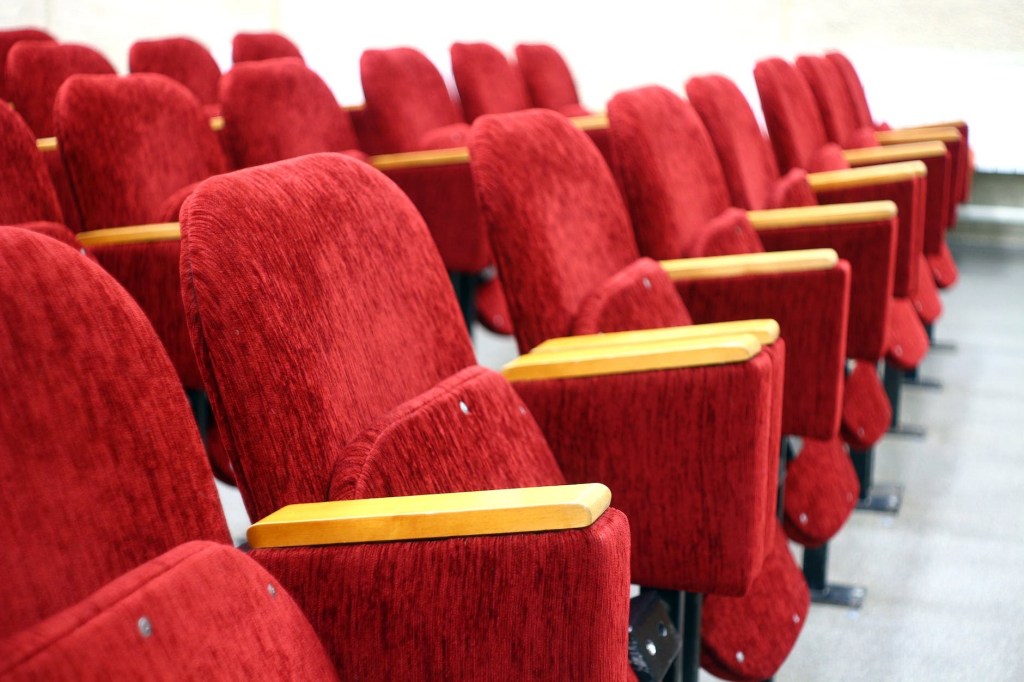
Velvet plush seats—no cup holders—very retro
Of course television changed access to movies, which changed how we watched movies. Then VCRs, DVDs, Blu-Ray and now streaming has all but obliterated the theater experience.
I held out for the theatre experience for the longest time. Going to matinees with my girlfriends, then moving on to boyfriends, and finally creating my own family outing.
Then the movie experience changed. People used to watching movies at home brought that casual attitude to the theater. Talking, feet up on the seat backs, and don’t get me started about phones during the show.
“Let’s wait for the DVD,” became the going phrase in our house. Plus, we like those special features. As discs gave way to streaming I remained hesitant, especially since it involved paying for a service that I might not use enough to justify. Besides, I can check out free DVDs at the library.
No more little envelopes in the mail
Then my phone carrier offered free streaming for two major companies. “Why not?” The problem is that there are hundreds of choices. Selecting a movie has gone from one of several up on the marquee or grabbing a couple off the library rack to an involved decision-making process that can take longer than watching a movie. There is also the issue of internet connection cooperation.
I admit I haven’t been in a theater for over three years. I still have an AMC gift card from 2019. I’ve become just another streamer and I am not sure if that is considered evolutionary progress.
Simple question: do you prefer the theater experience for watching a movie or appreciate watching from the comfort of your home?
June 14th commemorates adopting the flag of the United States, which all began June 14, 1775. There is the story of Betsy Ross stitching up the flag, of course, and there is the lesser known man, a schoolteacher, Bernard J. Cigrand, who led a quiet campaign to create a place the date of recognition on our calendars.
It’s a holiday many people do not notice. My current office calendar doesn’t even have it marked. And it’s from my alma mater. I’ll have to speak with them about that.
Everything is still open: banks, libraries, government agencies. There will be no parades. No special store sales. You might see some flags outside. That reminds me *scampers outside quickly*
Ah—that’s better. Although it is supposed to rain today so we will have to see…
Hope it doesn’t rain on my birthday parade
June 14th happens to be my birthday, and for too many years I believed my mother who said, “All the neighbors know it’s your birthday and they have hung out their flag for you!”
I would still like to believe the flags are out for my birthday. I will settle for a card or call from my family.
I follow the National Day Calendar and while I don’t relate to all the celebrated days (National Leathercraft Day did not do a thing for me, not even a summer camp memory of failed wristbands and key fobs), there are some like August 24th being National Waffle Day.
There are two breakfast camps: pancakes vs waffles. I could extol the wonders of waffles, how their warm and crunchy square golden perfection makes any dull morning sparkle, but then I might offend those who are satisfied with the blobs of dough identified as pancakes resting on their plates getting soggier by the nanosecond.
Clearly, waffles are winners in the breakfast arena of menu offerings.
My earliest memories of becoming a waffle connoisseur start when I am still in the finicky years of childhood, say sixish. My babysitter, a gem of an older woman known as Nettie, had such amazing patience. She had a waffle maker that was oblong, not the usual round variety, and it would produce four square delights of crispy dents that I would slather with butter and maple syrup. They had to be crispy, browned, not dark. Oh, I was demanding then.
Growing up I remember waffles more than pancakes, although there was a crepe phase for awhile. It takes many a crepe to make a decent filled effect. Pretty, yet not terribly satisfying. Waffles provide a square meal. Indeed they do.
Marriage and subsequent family days included a waffle maker. I can make a decent, even an exemplary pancake, but waffles are still the choice. When my sons had sleepovers their friends clamored for “Pamcakes” in the morning.
These days, in our empty nest era, waffles and pancakes are rare treats for we acknowledge the calories attached. By now, after 40 years of marriage, it would be ideal if my husband would acquire a taste for waffles, but he remains a pancake man through and through.
They do say opposites attract.
But we both agree that a waffle cone is the cone of choice for ice cream. Compromise will see us through to another 40 years.
Today’s playwright might fear a bad review if a play doesn’t meet the critic’s choice, but if Shakespeare blew a play he faced a fearsome critic: The Queen, QEI, and then later a king, James I. A monarch for a main critic could involve more than a “We are not amused” commentary (okay, that was Victoria, not Elizabeth). It could have involved being hanged, drawn, and quartered. A bad review takes on new meaning, in that regard.
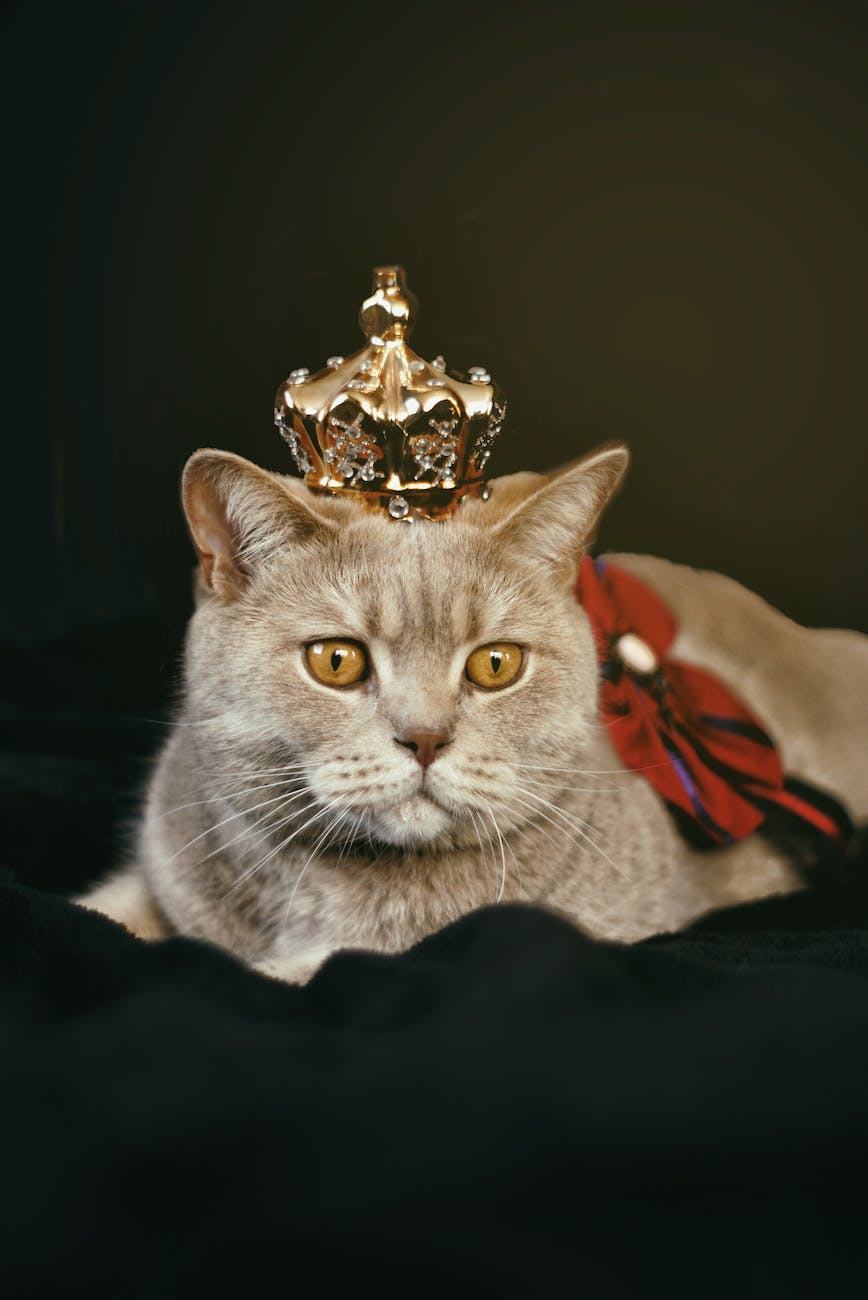
Photo by Katarzyna Modrzejewska on Pexels.com Plays were the cat’s meow in the 1600s
The Master of Revels, as jolly as a title as that sounds, was a fearsome critic. His duties included scrutinizing all plays for possible slander against the royalty. He had the power to remove any possible line that hinted trouble. In fact, the monarchy was to be presented in the best possible manner. That might explain why QEI’s father, King Henry VIII, a rather notorious fellow, is presented more decently than not in the Henry plays by Shakespeare. The man not only knew how his bread was buttered, Shakespeare was consciously aware of the knife in the butter dish.
Photo by Gilles DETOT on Pexels.com No one, not even the Bard, could knock Henry off his horse
Shakespeare took advantage of how the 1600s was moving from Latin being the language of literature to that of English. His puns, sonnets, banter, and general wordplay, which gave double meanings to many of his words, helped establish England’s identity as a country whose people could have a bit of fun with the language and keep a straight face–something seen throughout the ages with the likes of Monty Python and long lasting shows such as Dr. Who.
Shakespeare followed the dictates of his monarchs and his country’s tastes, which is why his plays have disparaging lines about foreign aspects, particularly concerning the French. While snide lines might have been popular in his time, they tend to ruffle and offend as time moves on.
Playing with words amounted to Shakespeare fashioning some propaganda to suit the need. Shakespeare not only moved words around to move the audience, he moved his nation to be one established as possessing wit and a respecter of language, although in his heyday he tended to play with propaganda.
So, a question pops up: is Shakespeare still “…not of an age, but for all time,” as Ben Jonson once said? With more emphasis on cultural, social, and political awareness, are some of Shakespeare’s plays, and even sonnets, facing censure?
Are his plays to be taken with a grain of salt as a reflection of his period or just plain taken off the reading list?













 Pam Webb