There is an unmitigated pleasure about fall sneak reading whilst propped in a backyard hammock. Bundling up against the wisp of autumnal breeze as it tries to nip at exposed flanks, the remaining warmth of the retiring sun definitely adds to the pleasure of a good read.
October marks the acknowledgment that summer reading as ended. By the time I get home from work the backyard is surrendering to shadows and I drag my hammock around on its reluctant stand trying to find patches of sun, reminiscent of a desperate sunflower. The lure of reading outdoors is different to suppress.
Here are October’s picks:
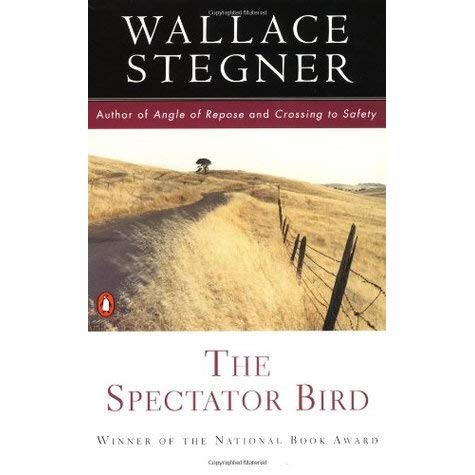
The Spectator Bird by Wallace Stegner
⭐️ ⭐️ ⭐️ ⭐️ ⭐️
It comes as a surprise I had not heard of Wallace Stegner until recently. I’m a bit embarrassed by that actually, especially when he is both a Pulitzer Prize and National Book Award winner.
So glad I made the effort. But my first book encounter ended up with three pages in and a return to the book bag.
Spectator Bird remained on my list and while waiting for it to arrive I read All the Live Little Things, the companion novel, which turned well since it helped to understand the back story referenced. Quite the drama, and The Spectator Bird makes all the more sense having read about Joe’s dilemmas with becoming older and living with regrets he can’t or won’t bury.
A definitive story on living the present based on the past.
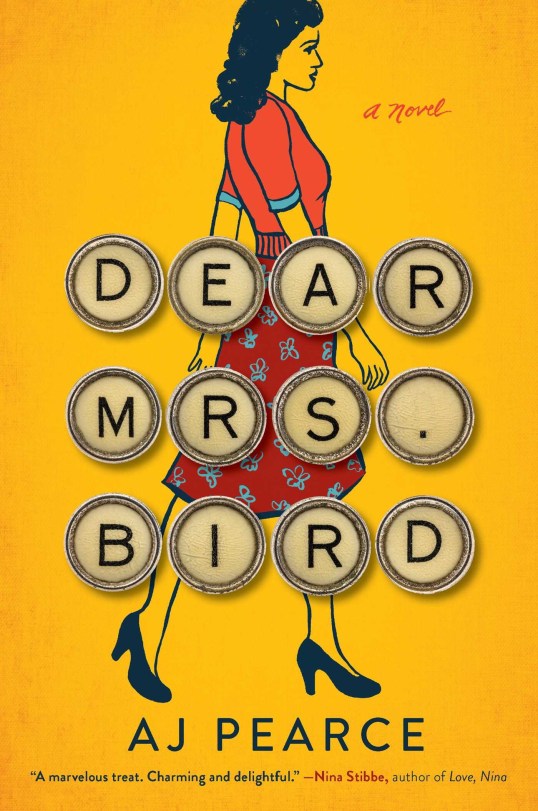
Dear Mrs. Bird by A.J. Pearce
⭐️ ⭐️ ⭐️ ⭐️ ⭐️
Wonderful. Delightful. A novel that I found myself sneaking moments to read while trying to work. Dear Mrs. Bird is wartime drama that has provides lighter moments, providing a terrific balance of humor and stunning realism. WWII novels are thick upon the shelves, yet this debut novel is a stunner in how the details create a sense of being in the moment. Emmy and Bunty need a series, and it’s hoped this is a start.
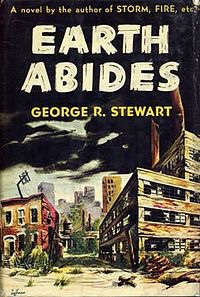
Earth Abides by George R. Stewart
⭐️ ⭐️ ⭐️ ⭐️ ⭐️
Recommendations from librarians rarely fail. Knowing I appreciated dystopian genres one of local librarians suggested I find Earth Abides. No easy task. Even with its solid reviews and reputation, I could not land an ILL and ended up reading a free e-book that sorely tried my appreciation of Stewart’s novel due to the numerous transference typos.
Similar to the Omega Man, a pandemic dramatically eradicates the world’s population and one man emerges who will make a difference. This man is Ish. He becomes what he refers to as the last American.
An excellent story, made all the more interesting since the technology is centered on what is available in 1949, the publish date.
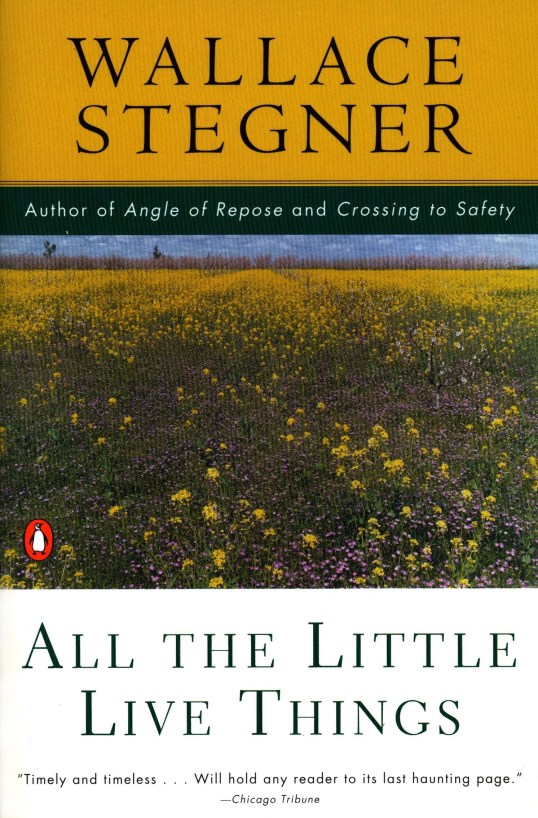
All the Live Little Things by Wallace Stegner
⭐️ ⭐️ ⭐️ ⭐️
Written during the pulsing sixties, Stegner writes of the various ideals that existed together with deft, insightful prose: older establishment meets with hippie youth who mingles with alternative, creative lifestyle who befriends optimistic outlook. It all makes for a memorable, even compelling dramatic story. Joe, a gruff, outspoken literary agent and his forebearing wife, Ruth, escape the hectic city and retire in the placid hills of California. Their peace is shattered by a interloper Peck who becomes the serpent in their garden, as he interacts with each of Joe’s neighbors and touches each of their lives in irrevocable ways.
Stegner’s prose is impressive. Not only does he relate a complicated story, he evokes such smooth passages of imagery that one cannot rush through the story without pausing to savor his craft.
“For a long time that evening we sat on the terrace, while the swallows and later the bats sewed the darkening air together over the oaks…” p. 226
Lovely.
The story tended to switch forward and back in time sequence as Joe related events, which created a somewhat uneven flow of continuity, yet it might have emulated how Joe’s mind switched from present to past as he attempted to reconcile events.
The Extraordinary Education of Nicholas Benedict by Trenton Stewart

⭐️ ⭐️ ⭐️ ⭐️
This prequel to the Mysterious Benedict Society answers much about the mysterious Mr. Benedict met in the first book of the popular series. While less engaging than the first book, due to a rather boggy middle, the ending once again shows the cleverness of Trenton Lee Stewart.
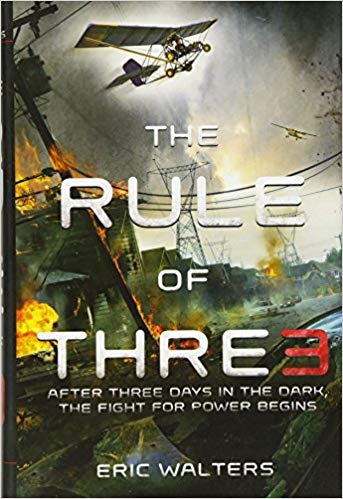
The Rule of Three by Eric Walters
⭐️ ⭐️ ⭐️ ⭐️
The world ends with a whimper, isn’t that what T. S. Eliot suggested? In Eric Walters novel, the first of a series, he explores how this present world might end once computers and other technology shuts off. Adam and his family, along with his neighborhood cope with the aftermath of what appears to be a global EMP strike. A bit bogged down in details, yet this supposition of how people would reaction in such a crisis situation creates an engaging read.
Smile by Raina Telegemeier

⭐️ ⭐️ ⭐️ ⭐️
This book was recommended to me by a young patron while I was shelving books at the local library. His enthusiasm and assurance that it was a “very good book” intrigued me enough to check it out.
A memoir of the author who suffered a traumatic ordeal with her teeth as a teen, in the format of a graphic novel, turned out surprisingly better that I anticipated.
My short tour with braces was nothing compared with her procedure! I think tweens going through all the drama of middle school will appreciate Smile as it explores so many other issues besides getting braces.
Mark of the Raven by Morgan L. Busse

⭐️ ⭐️ ⭐️ ⭐️
“To much is given, much is required” is aptly applied to this fantasy story where the gifts bestowed upon individuals can provide both life and death to others. Two recipients of these gifts, Selene, who can enter people’s dreams, and Damien, who is able to manipulate water, must determine how their gifts will best benefit the people of their land while they struggle to combat the threat of dark alliances that threaten the overall peace.
Engaging and fast-paced, with an intriguing allegorical theme of choosing darkness or the light, Morgan Busse’s The Ravenwood Saga promises readers a series to anticipate following.
This book was provided by the publisher, and all commentary is mine.










 Pam Webb