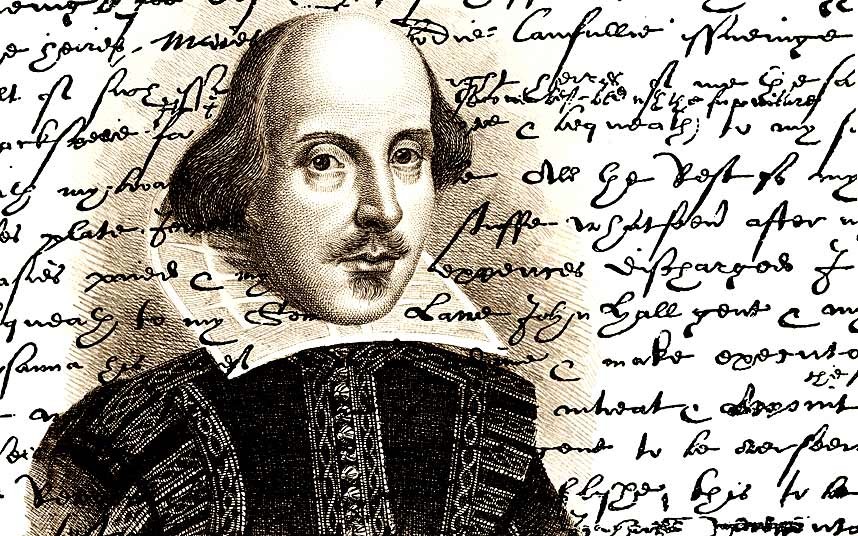
Although it may seem I’m late in wishing William a happy birthday, I might actually be on time.
While traditionally Shakespeare’s birthday is celebrated April 23, it’s not certain what day he was born. Something about birth registry and waiting a few days blurs the true date.
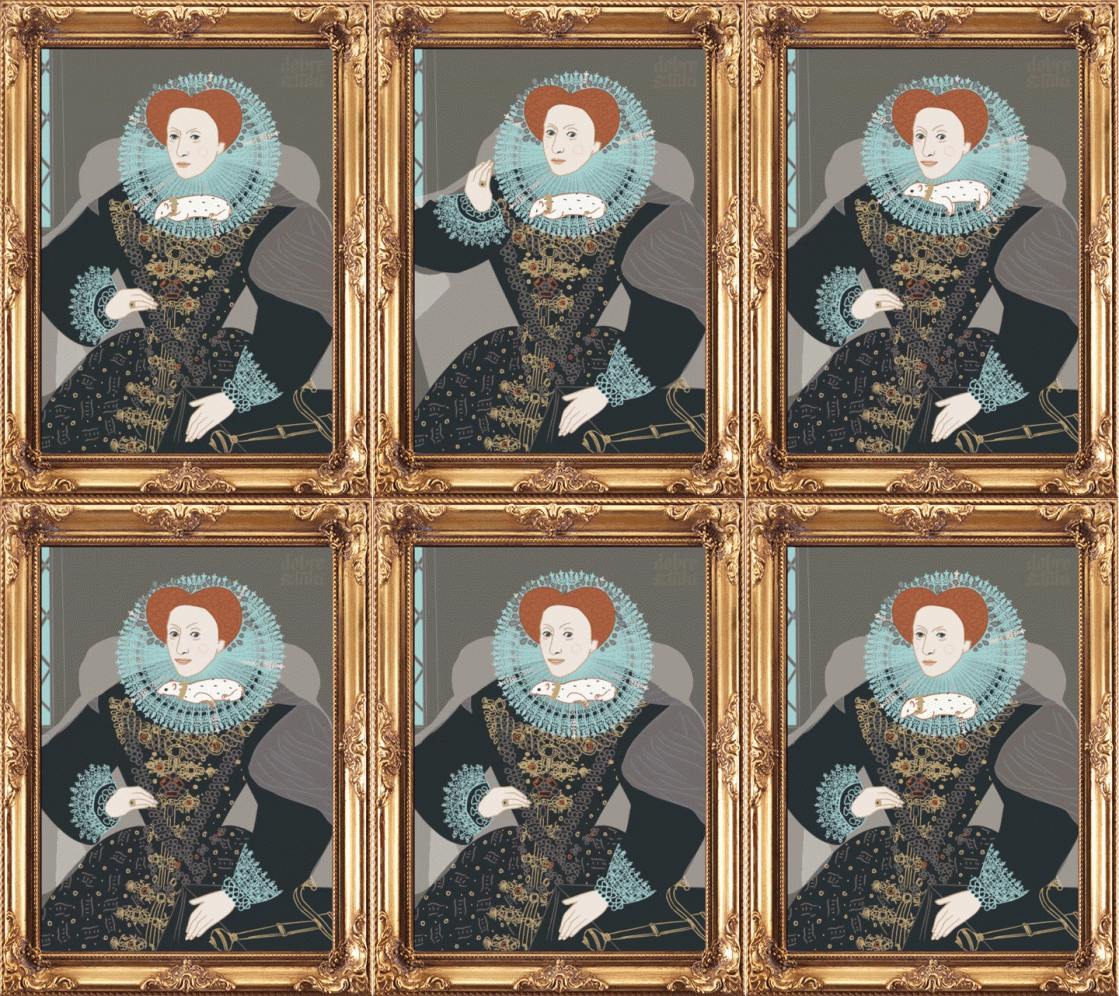
Besides, birthdays weren’t that big of a deal in Shakespeare’s time, unless you were of nobility. I imagine Queen Liz I had quite the bash.
Bring on the birthday fun!
The more common folk instead celebrated their saint’s day. Shakespeare’s saint’s day was St. George, the purported dragon slayer guy.
Cakes and candles came upon the scene much, much later.
In fact, Shakespeare didn’t get a party until after his death. He even got a parade.
Not late but perhaps elated
So Shakespeare might not have blown out candles and made a wish over an iced confection on his birthday, he did get a parade. It only took a century or so to get one.
Anyway, happy birthday, William. May your words continue to live on.
June 14th commemorates adopting the flag of the United States, which all began June 14, 1775.
No worries if you didn’t even know about it. The banks are open, so is the library, and there will be no parades or a big star-studded concert at the nation’s capitol.
I will celebrate by hanging out our flag and by going out to dinner. Then again it’s my birthday and what better way to celebrate than to have flags hung out and enjoy a night out.
Hope you find a special way to celebrate Flag Day—even if it isn’t your birthday.
Let’s think for a moment about the 1990s. For some a moment might be too much for others it might be a welcome nostalgia nudge.
After all the nineties introduced fashion statements like grunge and the music genre hip hop. One influenced the other. TV shows and the workplace became more relaxed in attitude. But one, if not the biggest contribution to life, was the WWW. No, not World Wide Wrestling—the World Wide Web or what we mostly call the Internet (and now it’s such a ubiquitous aspect it’s not even capitalized anymore). The internet was still in its dial-up infancy.
some fashion statements are best left in the past
Since this is my Word Nerd post I’m going to focus on how the internet contributed to our cultural lexicon. Here are words that came out of the internet age:
viral: an infection that used to be related to health like how a cold can be spread, and in the same manner misinformation, memes, and other aspects can be quickly spread from one person’s computer to another.
catfish: it still refers to that strange whiskered fish but has taken on the meaning of being duped, usually when it comes to internet dating profiles. Read here for the backstory.
ghost: not like Casper, yet the term shares with the friendly entity the ability to disappear without warning or reason.
cookie: not the sweet treat you’re thinking of—instead it’s that little bit of information that websites use to keep track of user information. It’s not always so sweet to have personal data kept in a business file.
hallucination: not LSD related yet in the same sense that what you are looking at on the screen is not always real or to be trusted. Now that AI has entered our lives there is more hallucinations than ever before.
stream: relating to flow, like how water moves, information and more commonly, entertainment like movies, flow from our tech into our lives. No longer do we have to wait for our weekly episodes of our favorite sit-coms as some station no doubt is streaming Friends or The Dick Van Dyke Show 24/7.
24/7: the concept of easy access around the clock didn’t start with the internet, although it brought it to the forefront that information can be had at the push of a button at anytime day or night.
troll: these despicable creatures are found living under bridges in folklore and are all about harm and deception, which makes a perfect description of those who hide behind websites and do mischief with misinformation.
I could probably come up with a couple more but I really want to go stream another Death in Paradise episode and I’ve got to get an email out before being accused of ghosting, and I better clear out my cookies before a troll finds them.
Apparently one is supposed to say ‘Rabbit, Rabbit” first thing in the first day of the month. Not sure why but hints of good things happening are implied.
It was easy to rabbit trail on this first day of June since it is my favorite month. Why my favorite? Well, thank you for asking.
my inner feelings revealed
School ends in June—referring to most K-12 students. Knowing that summer break’s imminent arrival created an anticipatory exhilaration. And I suppose students felt that way too. I know as a teacher I did.
Flag Day! Not only is this a day to honor our nation’s flag it’s my birthday. Yes, not everyone can claim the truth that people hang the flag out for them on their birthday. That’s what I believed because that’s what my mother told me. Believed it. I still do, actually.
Family birthdays. Winter must have been long because we have a plethora of family birthdays in June.
Summer solstice. Shades of Shakespearean delight as summer officially begins with the solstice. Watch out for fairies and wayward thespians if walking in the forest.
wood you care for a walk?
5. Settling into summer mode. Even though May provides some bodaciously warm days there remains a sense of “just kidding!” since May still tosses in some rain and inclement weather. June seems more confident in providing consistent blue sky days.
6. Birds and blooms. Giving credit to April and May for nudging winter to pack up and leave for a while, June ushers in the season of winged friends and garden flurry. My backyard is a small slice of paradise as hummingbirds and assorted feathered friends cavort amid the feeders and bird baths while I appreciate the lavender, lilies, and other blooming details. And the busyness of bees is a bonus. 🐝
7. Then there is the celebration of the hammock. Reading, lounging, napping—aah, so nice.
To prevent any misconceptions I will emphatically state that I do indeed like robins.
Not that is out of the way I have say this: Robins have got to be one of the stupidest birds out there.
Why the vitriol?
Maybe I’m just fed up with this particular batch of red-breasted harbingers of spring.
I don’t mind how they try to nest in our patio rafters every year—at least not too much since when we do allow a nest it’s plenty entertaining watching them raise their noisy brood.
I’m irritated but understanding when they lob their droppings all over my outdoor furniture—when nature calls, and all that.
I must say I get tremendous enjoyment watching them splash around in the birdbath—they are exorbitant extroverts when it comes to bathing.
Getting ready to splash and dash
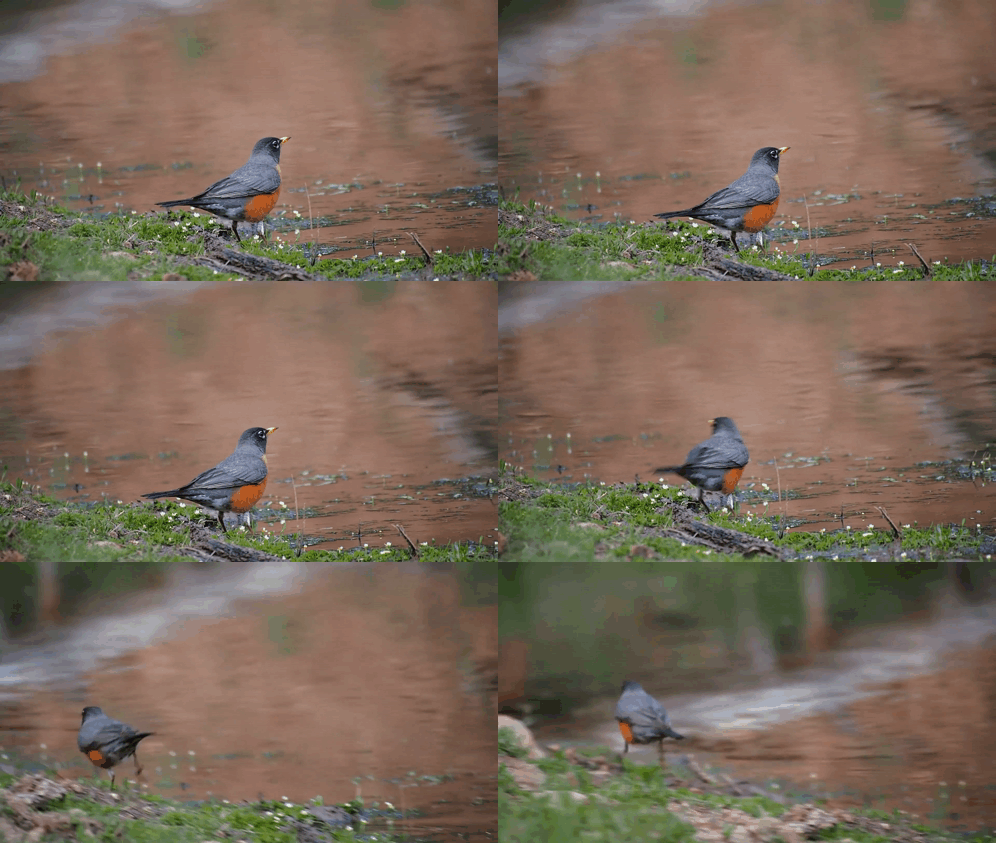
I do mind one distinct and inexcusable behavior: robin reflection bobbing. Or flap and slap. I’m sure there must be a scientific term for how robins (I have yet to see other birds do this behavior) go for their window reflection endlessly flapping up against it until I shoo them away.
This is is the first year in the thirty years at this address I’ve seen this behavior.
Right—I understand they think it’s another bird and are feeling territorial…
Yet this year they are taking on car windows, the neighbor’s shed window, the office window, the living room window. These aren’t isolated incidents but repeated violations no matter how many times they are chased away.
We even blocked a window so the reflection was covered and the robin still wanted to fight with the window.
I’m doing a call out here—has anyone else noticed their backyard robins being so crazily hostile this year?
My explanation is that this year’s robins are an off batch. They give meaning to the description of being bird-brained.
Maybe there should be a robin recall. Anyone know the number of the department of defective birds? Or did that one get shuttered as well?
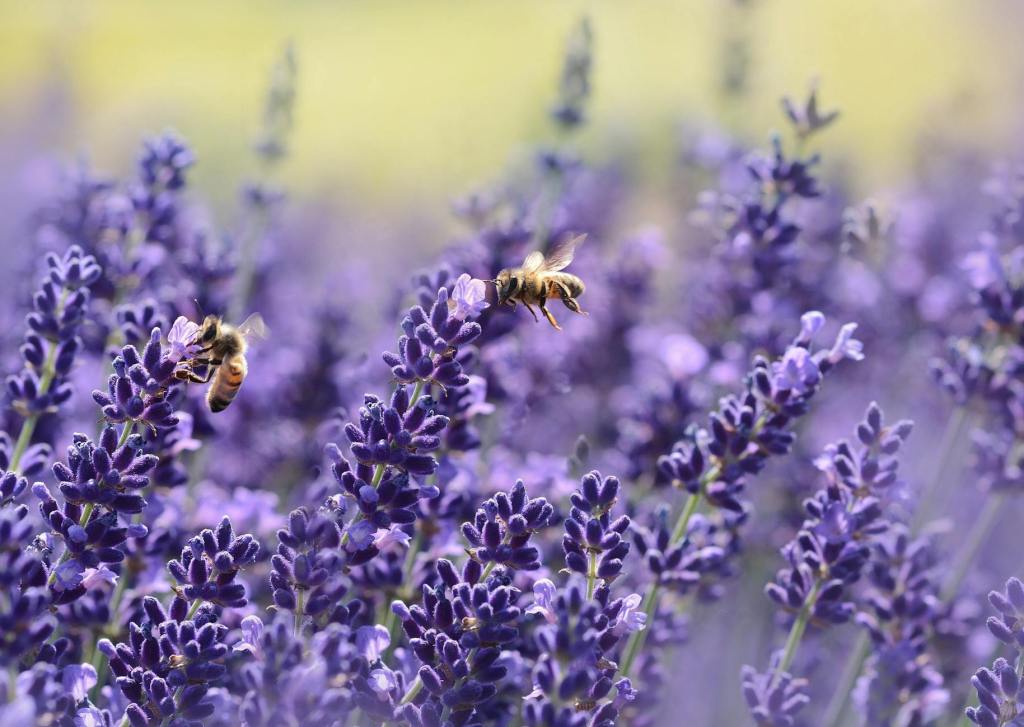
Then again I tend to celebrate bees everyday. We keep a bee-friendly yard by planting lots of flowers that bees favor, such as a huge mound of lavender.
I will often go out and search for bees once the lavender comes into bloom. My favorites are the big black bumblebees. They remind me of little bears as they flit around gathering pollen.
Reading about bees is also a favorite. Here are few recommendations:
The Secret Life of Bees by Sue Monk Kidd
The Bees by Laline Paull
The Music of Bees by Eileen Garvin
He Should Have Told the Bees by Amanda Cox
Hour of the Bees by Lindsay Eager
The Keeper of the Bees by Gene Porter-Stratton
And I definitely tune into nature shows about bees. One of my favorites is found on PBS’ Nature called “My Garden of a Thousand Bees.” A wildlife filmmaker is stuck at home in Bristol, England during the pandemic lockdown and decides to film the busy bees in his backyard. I’m on my third rewatch. Here is the preview.
What are your thought about bees?
P.S. Don’t forget to nudge your congressperson to support PBS. Public broadcasting benefits everybody!
Teacher Appreciation Day happened this week and I silently salute my former colleagues since I am now a teacher in the past tense.
A funny thing happened on the way to the classroom…
I started out my career with an AA in Early Childhood Education. The two year program held in a brand new interactive classroom was an amazing experience. I learned so incredibly much about little tykes and I also learned it would be difficult to make a sustainable living watching other people’s preschoolers since wages were barely above minimum wage. Hmm, that says something about how society values the care and feeding of our children. Let’s move on.
From there I enrolled in the university’s speech therapy program (having somehow been convinced by my dentist and mother to do so because he wanted to include a speech therapist in his practice and my mother probably liked the prestige of her daughter going into the medical field). I transferred out at the end of the year. Less said the better. Let’s move on.
Another university, another program. This time it’s Outdoor Education(officially dubbed Leisure Studies—I know. Outdoor Education is better for the resume). A BA later and an internship helped me understand this too was not a sustainable career since a camp director lives on site meaning time away from family and most camps are seasonal. Let’s move on.
I like to write. I like the outdoors. How about Environmental Writing? This university needed warm bodies for their new MA in the Teaching of Writing? Okay, I’ll switch. This one had possibilities providing I got hired on at a community college. One local CC with no openings. The library is hiring.
Twelve years later, a big move with a family now in tow I apply for the local high school library position. What? I need a teaching certificate to be a school librarian? More school. What? Budget cuts? The school district can afford a certified librarian? Options?
All those different paths helped me become an English teacher. An ECE degree definitely helped with classroom management (preschoolers and teenagers share distinct similarities), teaching outside the classroom when applicable thanks to Outdoor Education, and an MA in the Teaching of Writing absolutely came in handy. All that library time? What better place to apply literary knowledge than in AP English.
I didn’t intend on being a teacher because given my druthers I would have thoroughly relished being a long term librarian. I did appreciate my time in the classroom and do miss it (at times).
So happy Teacher Appreciation Day to those dedicated to educating our youth.
National Poetry Month is still among us for a few more days and I would be remiss not to mention Shakespeare and his sonnets. There–duly mentioned.
I am sorely tempted to give a brief lesson about the sonnet, something I miss teaching from my AP English Lit days. BUT (which is an indication of the turn in the sonnet mood or message known as the volta–see what I did there? Yes, I did squeeze in a brief lesson), I shall refrain and instead spotlight that other aspect of Shakespeare.
No–not him being a playwright. Did you know he started out writing sonnets and not plays? That he considered himself more poet that playwright and that he inserted many a sonnet into many of his plays? There are four sonnets in Romeo and Juliet alone. The prologue that introduces the play is a sonnet (watch for the volta–hint, hint “which” works as well as “but”):
Two households, both alike in dignity, In fair Verona, where we lay our scene, From ancient grudgeParenthesis break to new mutiny, Where civil blood makes civil hands unclean.
From forth the fatal loins of these two foes A pair of star-crossed lovers take their life
From forth the fatal loins of these two foes A pair of star-crossed lovers take their life; Whose misadventured piteous overthrows Doth with their death bury their parents’ strife. The fearful passage of their death-marked love, And the continuance of their parents’ rage, Which, but their children’s end, nought could remove, Is now the two hours’ traffic of our stage; The which if you with patient ears attend, What here shall miss, our toil shall strive to mend.
There I am talking about sonnets again. Well, it is National Poetry Month. And being such a famous, well-known poet it is difficult not to have spent at least a bit of time about how the Bard rocked sonnets.
Sonnets. Plays. He did write them supremely well. We still read them, watch them, recite them, discuss them and you know what? Just watch a master recite the master discussing April–very appropriate, wouldn’t you say?
The cat is a nice touch.
Here I meant to talk about the other aspect of Shakespeare, and sonnets distracted me. A worthy distraction, true that. Yet, (another word that works as a volta, since I am changing the direction of this focus), beyond the perfect prose and poetry Shakespeare is so admired for there is a darker, mmm, not quite the right word–ribald, yes, Shakespeare has a definite ribald side to him: his insults!
Throughout his plays his characters lob the cheekiest insults at one another. Keeping in mind the majority of those attending Shakespeare’s plays were of the down-to-earth crowd, known as “groundlings” because they pay a penny to watch the performance and stood for the entire time, often shouting out their commentary to the stage actors. Stands to reason then why Shakespeare inserted earthy lines into his plays. He knew how to play to the crowd.
Here are some examples. They start at mild and run the course from G to PG13.
“Neighbors, you are tedious. ” —Much Ado About Nothing, Act 3, Scene 5
“[You] peevish baggage.” —Pericles, Act 4, Scene 6
“[H]e has not so much brain as earwax.” —Troilus and Cressida, Act 5, Scene 1
“You are not worth another word; else I’d call you knave.” —All’s Well That Ends Well, Act 2, Scene 3
“Out of my sight! Thou dost infect mine eyes.” —Richard III, Act 1, Scene 2
Or you can create your own insults with this link. This is a classroom activity we used to do during our Shakespeare unit in English. It would culminate in an insult-off between a student and myself with the object of hurling such a created invective that the other person would cry–actually it usually ended up with everyone laughing.
So, a tribute to Shakespeare’s prowess with prose and poetry and a solid nod to his poison pen when it came to hurling insults.
In an effort to match the energy and joy of the season I’m springing into action in terms of my writing.
Book Signing If you live in or around Spokane Valley, Washington you can catch me at the Barnes and Noble store on Saturday, April 19th from 11 am to 3 pm.
Yes, I will be signing my picture book Someday We Will.
It’s been an amazing five years since it was published in 2020–right when COVID locked down schools, libraries, and bookstores, which kind of kiboshed that whirlwind in person book tour originally hoped for.
Celebrating Five Years!
Since then Barnes and Noble and my local library have provided lovely support. This will be my third signing with Barnes and Noble and I’ve done a few storytime sessions with the library.
And thanks for your support! Readers of this blog have purchased Someday We Will through online sources. I still offer the deal of sending you a personalized bookplate. Just provide some details: where and when you bought the book, your address, and the message and I will send out a bookplate to you.
Projects The winter months kept me inside writing new stories and revising others. I also discovered a knack for collage and began illustrating some of my picture book manuscripts. Here are a couple of samples:
I also decided to create a separate page that highlighted completed manuscripts–a menu, so to speak–in case agents, editors, or publishers decide to stop by for a visit. Feel free to browse at my new page link: Project Pitches.
Of course not all my time is spent writing. Spring is here which means I’m outside more than inside. Yardwork, walking, biking, reading, and just plain sitting in the sun dozing in the sunshine. Winter is way too long and I am so enraptured the days are longer and warmer AND sunnier!
I have been a library fan since elementary school. I think my high school year book proclaims I wanted to be a librarian when I grew up. Although my degree ended up as a writing teacher I was a librarian for the first half of my work career and when I switched into the classroom reading and library skills were part of the curriculum.
Now that I am retired I’m a Friends of the Library volunteer and I’m there two-three times a week working with donations.
When I go on vacation I always check out the library. Hawaii, Washington DC, Seattle, Okinawa—I visited all of them.
So, I’m combining National Library Week with National Poetry Month with a POM (Poem of the Month). Emily D recognizes how books are like a ship that sails us to different shores.
There is no Frigate like a Book To take us Lands away, Nor any Coursers like a Page Of prancing Poetry – This Traverse may the poorest take Without oppress of Toll – How frugal is the Chariot That bears a Human soul.









 Pam Webb