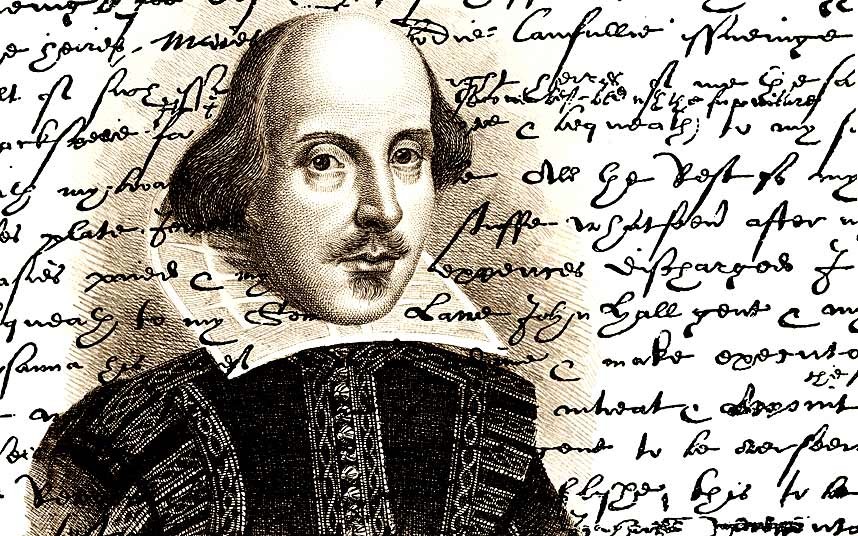
Yup, I’m a Shakespeare fan. I even reference my appreciation as a Bardinator, meaning I’ll be back for more in a determined manner (sans the accent).
Some use the term Bardolator, but I can’t say I idealize Shakespeare. I’m still learning about him, hence my given term, since I keep coming back for more.
Really real or not so real—that used to be my question
But I used to think WS was a phoney baloney.
*Gasp*
I know.
I fault my public education’s failure to introduce me to Shakespeare. Nothing in elementary or middle school and just a squeak of a mention in high school. Okay, I did watch Zefferelli’s R&J in the theater and was caught up in the drama, although understanding the dialogue was challenging. That Renaissance English floated over my adolescent head.
I didn’t fully understand Shakespeare beyond I knew he wrote some famous plays and had some poetry creds.
Then I got my teaching gig and realizing Romeo and Juliet was in the curriculum I quickly got myself up to speed.
Long story short I became known as the Shakespeare Lady at school. And over the years have had a fine time getting to know more about the Bard of Avon.
I even visited the Folger Library, which brings me to the important point: even though Shakespeare is such an incredible influence why is there so little known about him?
That niggling doubt of “Was Bill for real?” pops up. Which brings me to the discovery of this article.
It makes sense doesn’t it? Why haven’t historians done the CSI thing sooner and dust for prints or his DNA before?
To think a bit of William might be found cozied in books he could have read is fairly cool. It makes me rethink how much of me is left behind in all those books I’ve read.
I’m with David Tennant on the question of whether or not of Bill. I don’t really care. I simply enjoy his works. And I’ll be back for more.
I’ve experienced Shakespeare plays (one experiences his works, versus watches them—a bit pompous sounding,sorry) in a variety of forms: live on stage (several as an audience member and once as Horatio—very brief); large screen theater; small screen TV; reading, and teaching.
One favorite form is watching a performance in the park, as it is open air, much like a Globe performance. Plus there is the anticipation of lively audience response, the atmosphere being one of shared spaces and camaraderie. And the plays are usually free, at least the one that comes to our fair city is.
Every year in August the Montana company arrives and performs one of Shakespeare’s popular plays in a local park. This year they presented a As You Like It, which is one of Shakespeare’s more popular comedies.
Laughing Out LoudBard in the Park
Arriving at the park 40 minutes early I discovered the space already teeming with people, but no matter since I prefer the back for that quick exit to avoid the parking lot tangle.
As the sun drifted behind the trees the temps cooled down and the stage action heated up with runaway sons and daughters, tangled romance, and character arcs. As You Like It is a fun romp and the audience showed its appreciation with plenty of applause and laughter.
Bard in the Park signifies the transition from summer fun to back to school readiness. And Jacques mentions going to school in his famous “All the world’s a stage” soliloquy.
Anyone catch a Shakespeare in the Park performance this summer?
Although it may seem I’m late in wishing William a happy birthday, I might actually be on time.
While traditionally Shakespeare’s birthday is celebrated April 23, it’s not certain what day he was born. Something about birth registry and waiting a few days blurs the true date.
Besides, birthdays weren’t that big of a deal in Shakespeare’s time, unless you were of nobility. I imagine Queen Liz I had quite the bash.
Bring on the birthday fun!
The more common folk instead celebrated their saint’s day. Shakespeare’s saint’s day was St. George, the purported dragon slayer guy.
Cakes and candles came upon the scene much, much later.
In fact, Shakespeare didn’t get a party until after his death. He even got a parade.
Not late but perhaps elated
So Shakespeare might not have blown out candles and made a wish over an iced confection on his birthday, he did get a parade. It only took a century or so to get one.
Anyway, happy birthday, William. May your words continue to live on.
Teacher Appreciation Day happened this week and I silently salute my former colleagues since I am now a teacher in the past tense.
A funny thing happened on the way to the classroom…
I started out my career with an AA in Early Childhood Education. The two year program held in a brand new interactive classroom was an amazing experience. I learned so incredibly much about little tykes and I also learned it would be difficult to make a sustainable living watching other people’s preschoolers since wages were barely above minimum wage. Hmm, that says something about how society values the care and feeding of our children. Let’s move on.
From there I enrolled in the university’s speech therapy program (having somehow been convinced by my dentist and mother to do so because he wanted to include a speech therapist in his practice and my mother probably liked the prestige of her daughter going into the medical field). I transferred out at the end of the year. Less said the better. Let’s move on.
Another university, another program. This time it’s Outdoor Education(officially dubbed Leisure Studies—I know. Outdoor Education is better for the resume). A BA later and an internship helped me understand this too was not a sustainable career since a camp director lives on site meaning time away from family and most camps are seasonal. Let’s move on.
I like to write. I like the outdoors. How about Environmental Writing? This university needed warm bodies for their new MA in the Teaching of Writing? Okay, I’ll switch. This one had possibilities providing I got hired on at a community college. One local CC with no openings. The library is hiring.
Twelve years later, a big move with a family now in tow I apply for the local high school library position. What? I need a teaching certificate to be a school librarian? More school. What? Budget cuts? The school district can afford a certified librarian? Options?
All those different paths helped me become an English teacher. An ECE degree definitely helped with classroom management (preschoolers and teenagers share distinct similarities), teaching outside the classroom when applicable thanks to Outdoor Education, and an MA in the Teaching of Writing absolutely came in handy. All that library time? What better place to apply literary knowledge than in AP English.
I didn’t intend on being a teacher because given my druthers I would have thoroughly relished being a long term librarian. I did appreciate my time in the classroom and do miss it (at times).
So happy Teacher Appreciation Day to those dedicated to educating our youth.
When Shakespeare’s works are mentioned the association with him runs towards love stories, as in Romeo and Juliet or tragedies like Hamlet or even sweeping historicals found in the Henry plays.
Not necessarily Shakespearean
Monsters may not be the forerunner feature in his stories but Shakespeare did populate his plots with creatures, witches, and ghosts—oh my, he certainly did. In fact, most of his well known plays contain monsters or scary aspects.
Romeo and Juliet: Juliet about to take the friar’s prescription for a faked death believes she sees her dead cousin’s apparition. Then there is the part of waking up in the family crypt surrounded by her cousin’s recent corpse and long dead relatives. *cue creepy music*
Hamlet: Our titular hero receives a guilt trip from his dead father’s ghost—not once but twice.
Julius Caesar: Brutus must contend with great Caesar’s ghost.
Macbeth: Not only is there the ghost of Banquo there is a trio of weird sisters.
Cymbeline: another batch of ghosts.
The Tempest: A sassy sprite named Ariel and whatever Caliban is supposed to be.
A Midsummer Night’s Dream: speaking of sprites, Puck reeks of mischief galore.
Shakespeare inserted monsters into his plots because he pandered to the paying crowd and those folk of the Renaissance were a thrill seeking, superstitious bunch, queens and kings especially.
While Shakespeare created several memorable monsters his penchant for monstrous acts should be noted.
Offhand there is fratricide, homicide, verbal abuse, racism, sexual abuse, dysfunctional family relationships, and a mention about being wary when it comes to pie at dinner.
So—
Forget loading up on Frankenstein and Freddy for fright night watching. Instead save your anticipation for scare by streaming some Shakespeare.
People who say they don’t relate to or care for Shakespeare are unaware how he influences their lives. From everyday words from “assassination” to “zany” to common phrases such as “All that glitters is not gold,” Shakespeare is without a doubt one of the most enduring amongst influencers.
Even if Bard Bashers still won’t acknowledge Shakespearean influence, it’s difficult to ignore his sound life advice through some of his well-known quotes.
“We know what we are, but know not what we may be”
This Hamlet quote seems cryptic at first, yet deeper consideration initiates the idea that we may not truly understand our potential or that we see ourselves differently than how others see us.
“Love all, trust a few, do wrong to none”
This quote from “All’s Well That Ends Well” is a something one might hear in valedictorian speech or might see on a coffee mug. While it sounds trite, it’s actually a succinct guide to life.
“The course of true love never did run smooth”
A quote from A Midsummer Night’s Dream reminds us all how love’s journey is one that is traveled by experiencing a few potholes, speed bumps, and delays due to construction.
“All’s well that ends well”
This eponymous quote is an encouragement to trust in hope, to believe it will all work out for the best.
So, whether you be in the Bard Bravo bunch or find yourself more of a Bard Basher, you have to admit Shakespeare handed out advice that is useful in life.
Today’s audiences talk about seeing a movie. And we are very much a visually oriented culture. Yet, in Shakespeare’s day audiences would say they were going to hear a play because language was such an integral aspect of their culture.
Shakespeare knew this, of course, which is why he wrote his plays with rhyme, rhythm, homonyms, laced with ambiguity. He wanted his audience to hear the auditory beauty of language.
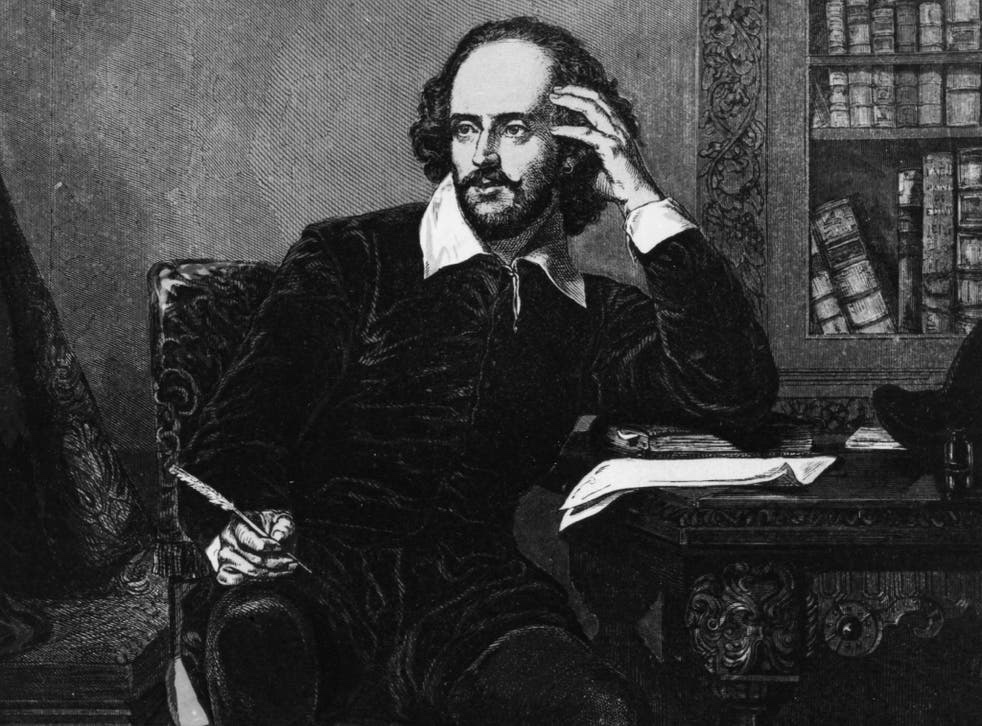
Pen in hand the Bard does ponder
Modern audiences are more accustomed (or have grown more accustomed to) sound bites—quick bits of communication. No wonder eye rolls and twitches are commonalities when someone mentions Shakespeare—we are no longer used to the longer, more developed portents of language. We want quick and easy auditory digestion instead of the languid delight of a language banquet. ‘Tis a shame, yet supping upon a Shakespeare play is possible with a bit of effort.
Shakespearean plays are written to be heard and the Stratford-Upon-Avon wordsmith created the means to better enjoy his words by employing the following:
1. Read the lines with deliberation and emphasis. For example, Macbeth’s “Tomorrow and tomorrow and tomorrow” does better with a slow pronounced repetition to emulate the tedious monotony of life.
2. Use punctuation as a guide by reading to the end stop rather to the end of the line it gives more meaning to the lines. This is known as enjambment, where the line overflows into the next line, much like a waterfall cascades flow smoothly creating movement. For example, in Romeo and Juliet, Juliet pours out her emotions for Romeo in one rolling, passionate wave:
When he shall die, Take him and cut him out in little stars, And he will make the face of heaven so fine That all the world will be in love with night And pay no worship to the garish sun.
Reading this passage out loud, carrying one line over into the next enhances Juliet’s feelings for her Romeo.
3. Be aware of accented words, pronouncing them with an extra syllable. For example “perfume’d would be three syllables, not two. Shakespeare would have done this to enhance the meter or rhythm of the line. Plus, it has the bonus of sounding fancier.
4. Know that Shakespeare presented his words with intention to paint pictures (no access to CGI) with verbal cues to ignite his audience’s imagination. He needed his words to create imagery since scenery and props were minimal on the Elizabethan stage. For example, when Juliet says, “It was the nightingale, and not the lark,/ That pierced the fearful hollow of thine ear,” she is in her wedding bed with Romeo—she is no doubt as close to him as her heartbeat.
Reading Shakespeare can be an enriching, delightful experience when his words are read out loud with considerate digestion.
THE DETAILS: Pages read: 29,532 Books read: 102 Shortest book read: 40 pages
So inspiring!
Longest book read: 1,008 pages
A bounty for Bardinators
Average book length: 289 pages Most popular: Matt Haig’s The Midnight Library–over 1 million reads (although I did not favor it) Least popular: Lucius Adelno Sherman’s What is Shakespeare: An Introduction to the Great Plays (not everyone appreciates Shakespeare) Average book rating: 4.3 (I must be particular) Highest rated by Goodreads readers:
Captured a 4.51 rating–a likable read, no doubt a movie is in the making
First review of the year:One Hundred Years of Children’s Books in America, Decade by Decade edited by Jane Yolen and Marjorie N. Allen. An underrated and overlooked sampling of books and the history of America from the early 1800s to the 1990s–would like to see a more current edition. Five star rated books: 11 (I really am particular discerning)
Hitting my reading goal of 101 (the year isn’t over yet) creates a fine sense of accomplishment, especially since it became increasingly more difficult to sit down and focus on reading. After school started I found myself with a certain lassitude that gravitated towards passive viewing of animal shows, Western movies, and of course, my old standby of Dr. Who reruns.
Your Turn: Did you hit your reading goal for the year?
Any stand out reads? I’m always looking for the next TBR item.
Even though I read seventeen books last month, which keeps me at six books ahead of schedule, May’s five star reads were slim. There were several enjoyable reads, yet only one good read, or in this case a great read.
Cry, the Beloved Country by Alan Paton
Published in 1948, Paton’s book became a recognized bestseller that still has relevance today. The story of two fathers, one an umfundisi, a native reverend of a poor district, and the other a white landholder who owns a successful farm, High Place. Each father loses their only son, one by the hand of the other, yet the sons’ death brings these men together during a time when racial tensions are rising to a concerning level. A searing portrayal of the pain of separation–separation of family, separation of traditional values, separation of people inhabiting the land, the country. This was a rereading as I wanted to teach it as a unit to my juniors. So far it’s been well received. Plus, I don’t mind having an excuse to familiarize myself with excellent literature.
Any of you read at least one really notable book in the month of May?
That’s a big oops. My carefully planned blogging schedule has blown up due to malaise. I admittedly got caught up in the Winter Slumps and thought about posting but didn’t. I did read, though, which helped keep me occupied during the looonnng evenings (dark at 4 pm is cruel). Spring is now here and that means sunshine has restored my energy levels.
In order to get caught up I will select the favorites reads from the last three months to review. These are all five star reads.
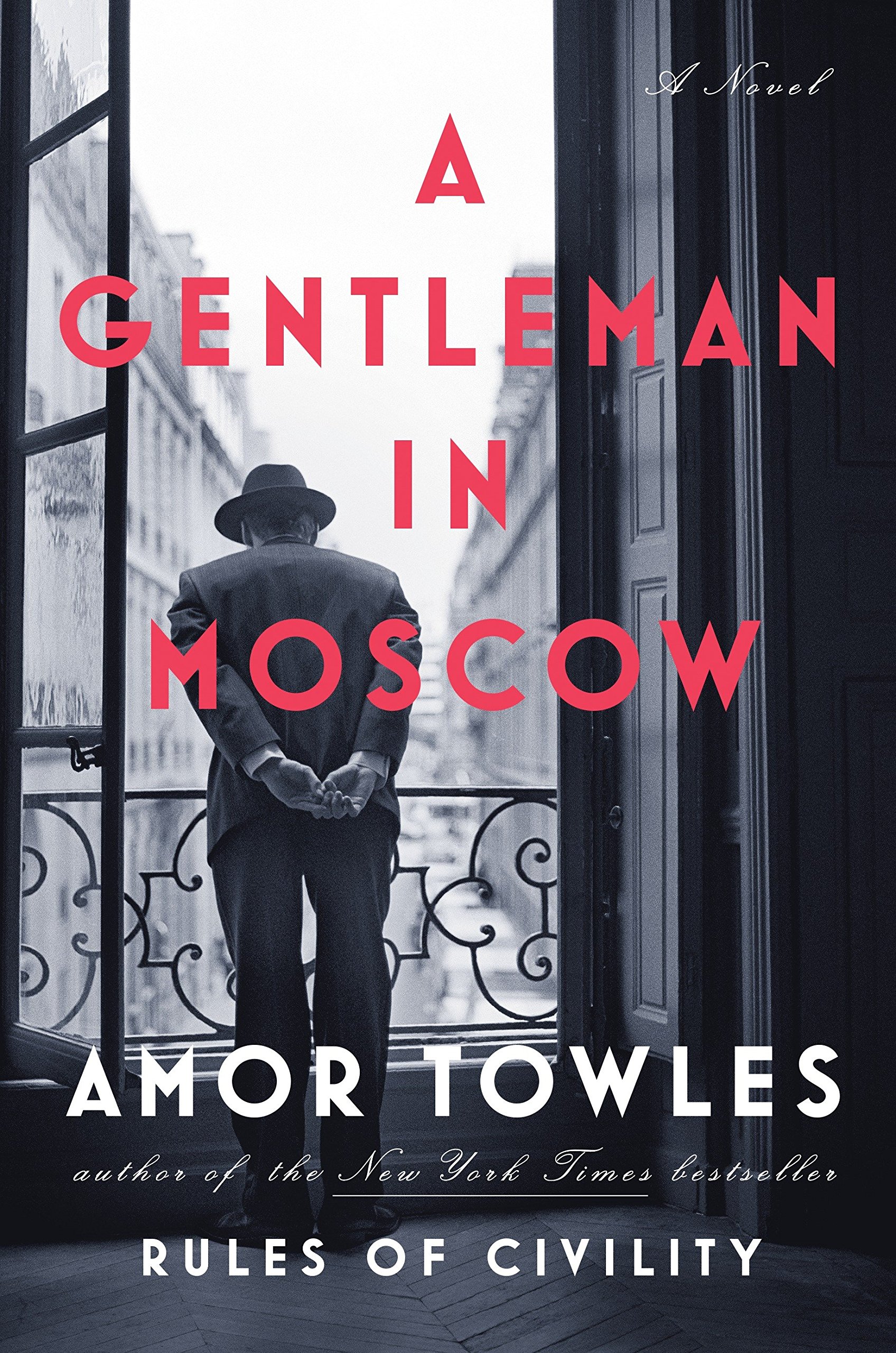
Once upon a time, in the land of Russia, lived a charming count by the name of Alexander Rostov. And while it might seem demeaning to compare A Gentleman in Moscow to a fairy tale, Towles has deftly tweaked all the elements of that endearing (and enduring) genre into a sophisticated story that is enthralling, entertaining, enlivening, and quite satisfying. The bonus is once I learned Kenneth Branagh was Rostov in the planned series, the enjoyment became doubled as Branagh fleshed out Rostov’s appearance in my mind’s eye. One of the best reads I’ve experienced in quite a long time
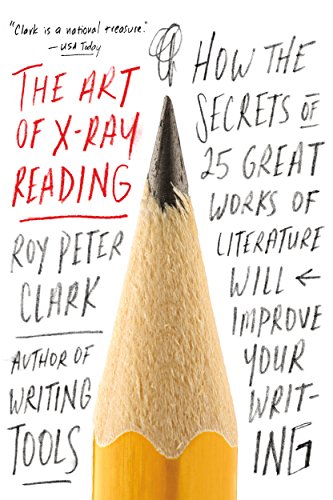
The Art of X Ray Reading reminds me of Thomas Foster’s How to Read Literature Like a Professor. Both books prompt me to practice closely reading the book in hand. While Foster provides a magnifying glass, Clark provides a kaleidoscope to better see the rich colors within the writing. His choice of books are hit or miss with me, but he did touch on a couple of favorites that I will absolutely pay more attention to on the next reading. The writing lessons alone are worthwhile and are inspiring. I applied the X Ray lens to an AP Lang lesson and brought new meaning to the piece. I look forward to my next AP Literature class and seeing how students pick up The Great Gatsby clues. Makes me wish I could teach Creative Writing once again.
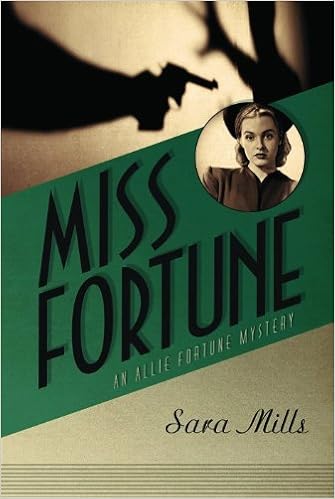
Shades of The Maltese Falcon drift through this tribute to the 1940’s detective novel. Instead of a tough private investigator who runs with fast women and drives a faster car, readers contend with the “Princess P.I., a savvy socialite who has earned a reputation for being one of the best in the business. At first the cliche phrases and situations were off-putting, that is until I accepted them as pastiche. A solid plot worthy of a Bogart film, intrigue and humor, and a double storyline create a fast-paced read and an anticipation for the second book.
An amazingly positive story of how one man turned trash into a treasury of music. The story and colorful illustrations blend and harmonize as the background story of Paraguay’s Recycled Orchestra is told through Ada and her violin. Truly inspirational how beauty was found among the tons of garbage and how a dream became a reality that changed lives.
As a tribute to the recent passing of Beverly Cleary I grabbed Henry and Ribsy off the library shelf since she was an author I appreciated growing up. Granted, some of the situations and attitudes are a bit dated; however, kid and dog antics run true and are timeless.
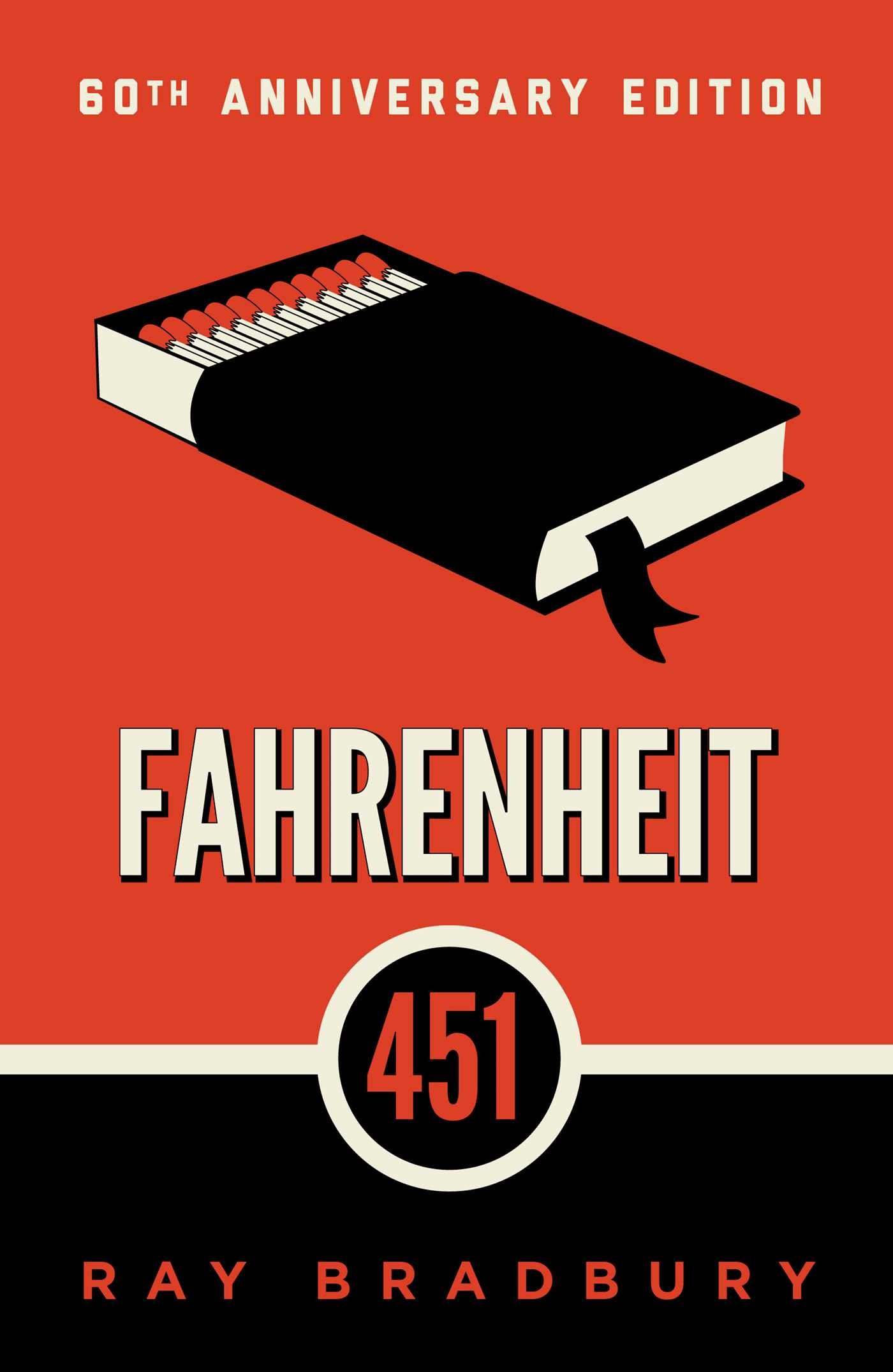
When I first read F451 back in my twenties I no doubt appreciated Bradbury’s lyrical warning of a supposed future. This last read is a revisit due to both curiosity if it’s as good as I remember and because we are studying it as a class in AP Lang. Yes. It’s still as good. Wait–it’s much, much better due to Bradbury’s future coming fast upon us.
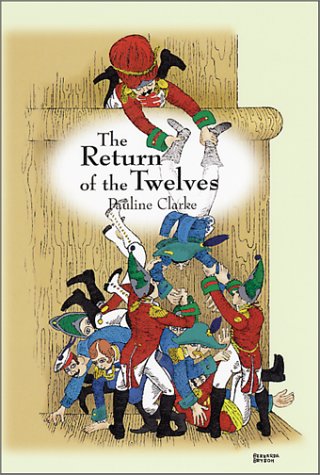
Books like The Borrowers, a tiny family in a big world, enthralled me as a child. Somehow, The Return of the Twelves, which echoes believing the unbelievable, escaped my reading attention. As an adult, and a “brontyfan,” I appreciate this story so much more. It’s rather a back door introduction for young readers to the brilliance of Charlotte and her Bronte siblings. The story itself is typical of the sixties, where children are precocious and are possessed of much more independence than their contemporary readers. Parents are presented as absent-minded, patronizing, or clueless of their children’s lives. Clarke’s story presents a likable cast of characters, particularly Max, who becomes protector of the Twelves or Young Men. His responses to their animation have a sense of verisimilitude as he both indeed at their existence while remaining fiercely protective of them. The plot cleverly provides the actions of the Twelves through a combination of the present and through Max’s imaginative efforts. At times the plot wobbles on timeworn, but will suddenly turn the corner with a refreshing twist. A satisfying read for those who like adventure and can still believe at least six impossible things before breakfast.
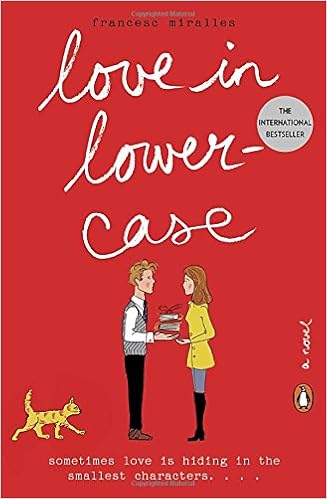
A quirky book difficult to place genre-wise. Love story? Quest? Mystery? Not muchly magical realism? In some ways it reminds me of Paulo Coelho’s The Alchemist in that an ordinary young man begins to discover the extraordinary by stepping out of his comfort zone. Love In Lower-Case explores how it is too easy to fall into a routine, desiring for a change and when change begins to happen, it is difficult to accept. A likable character, odd circumstances, a mysterious cat, an annoying stranger, and a Yoda neighbor all mix together for a satisfying, though not earthshaking weekend read.
I would like to think as a young reader I would have appreciated the skillfully crafted story of a young Jewish man who discovers that love is stronger than hate, especially when facing such a fearsome enemy as the Romans; however, I doubt that I would have. I am ever so impressed with The Bronze Bow—its plot, setting, details, message. And the ending. The ending is absolutely stunning. As an adult I am absolutely impressed and moved, and I would like think my young reader self might have recognized the value of Speare. Maybe.
So many good reads kept my wits from dullifying totally through this last long winter. I can’t imagine not having a book to read.
Let me know if you’ve read any of these, or if I have tempted you to plump out your TBR list.












 Pam Webb