Pam Webb

a writer's journey as a reader

Archive for the tag “Renaissance”

Bard Bits: Midsummer Muchness


Recently our little town ran a big event that drew in over 9,000 over the weekend: Ren Fair, where a celebration of Renaissance takes place. There are jousting knights, meandering minstrels, dazzling dancers, and of course, Queen Elizabeth I strolls among her subjects. The best part is how much of the crowd dons appropriate costumery. And there is a huge range of interpretation. Purists huff at the elf ears that many people wear, saying it’s not representative of the era, but a wag a finger and spout a differing opinion in defense of the fairy folk traipsing among the attendees.

“Ah, but fairies represent the imaginative offerings from Shakespeare’s Midsummer Night’s Dream.”

There is no denial or rebuttal, and I silently rack a discussion point, vowing to find my fairy within for next year’s faire.
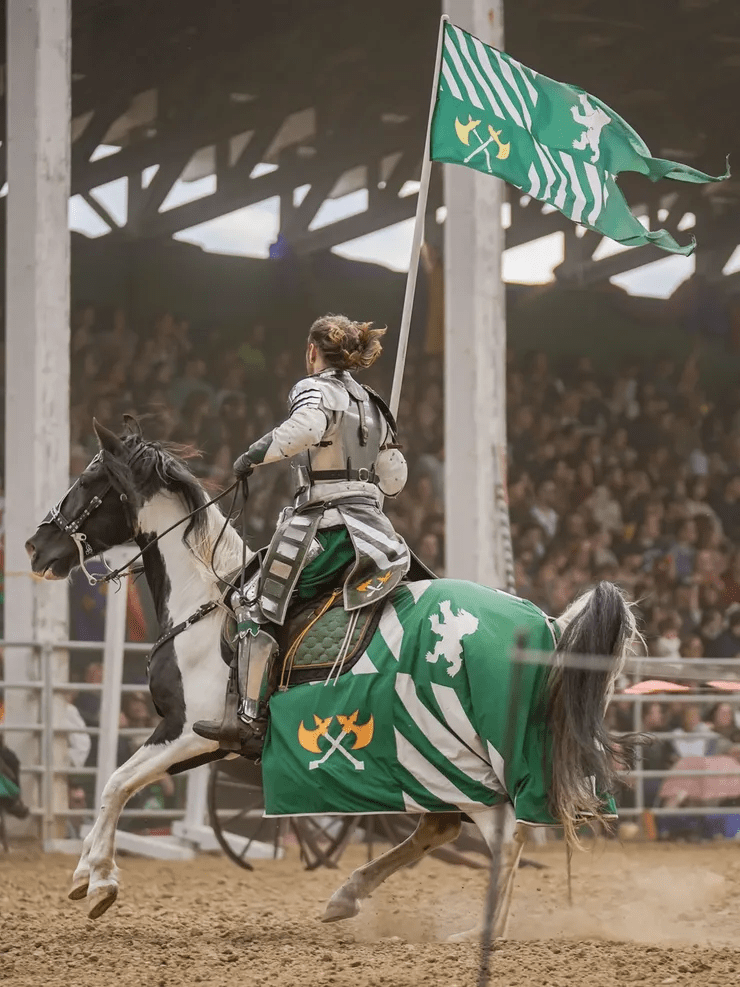
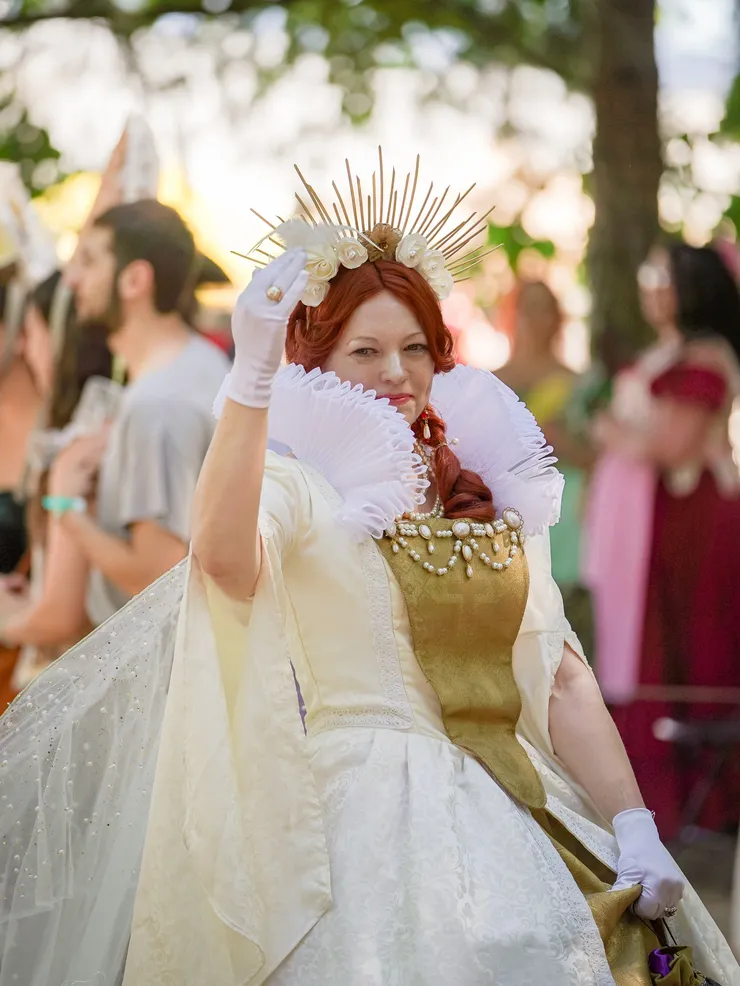
image: The Realm
image: The Realm
image: pintrest

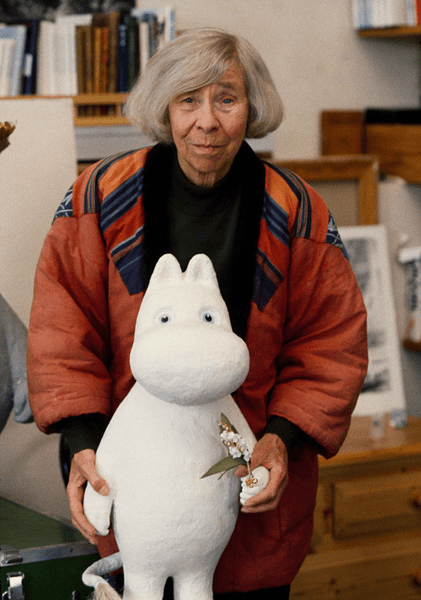
Another celebration of Midsummer was watching The Summer Book with Glenn Close last night. The film is based on Tove Jansson’s book, and it is a sensitive, quiet portrayal of a family celebrating life as they cope with death. Tove Jansson is famous for her Moomin books, which I read as a child, and they are still popular today.

In the film, Glenn Close plays the aged, wise grandmother who serves as the bridge between her grieving son and his six-year-old daughter, Sophia. While there isn’t much dialogue, when words are expressed, they have great significance. The tradition of spending summer at the family cabin is definitely affected by the recent death of Sophia’s mother, yet Glenn, as the stalwart grandmother, perseveres to keep going for Sophia’s sake.

At one point the family celebrates Midsummer, complete with flower crowns and fireworks, despite the rainy day. The symbolism is poignant as the father attempts to light the bottle rockets, but the damp weather has prevented two of three rockets to ignite.

Midsummer in the US is not typically celebrated with the gusto found in European countries such as England and in Scandinavia. However, it is a nice calendar marker that summer as basically begun, and that is a quiet celebration in itself.
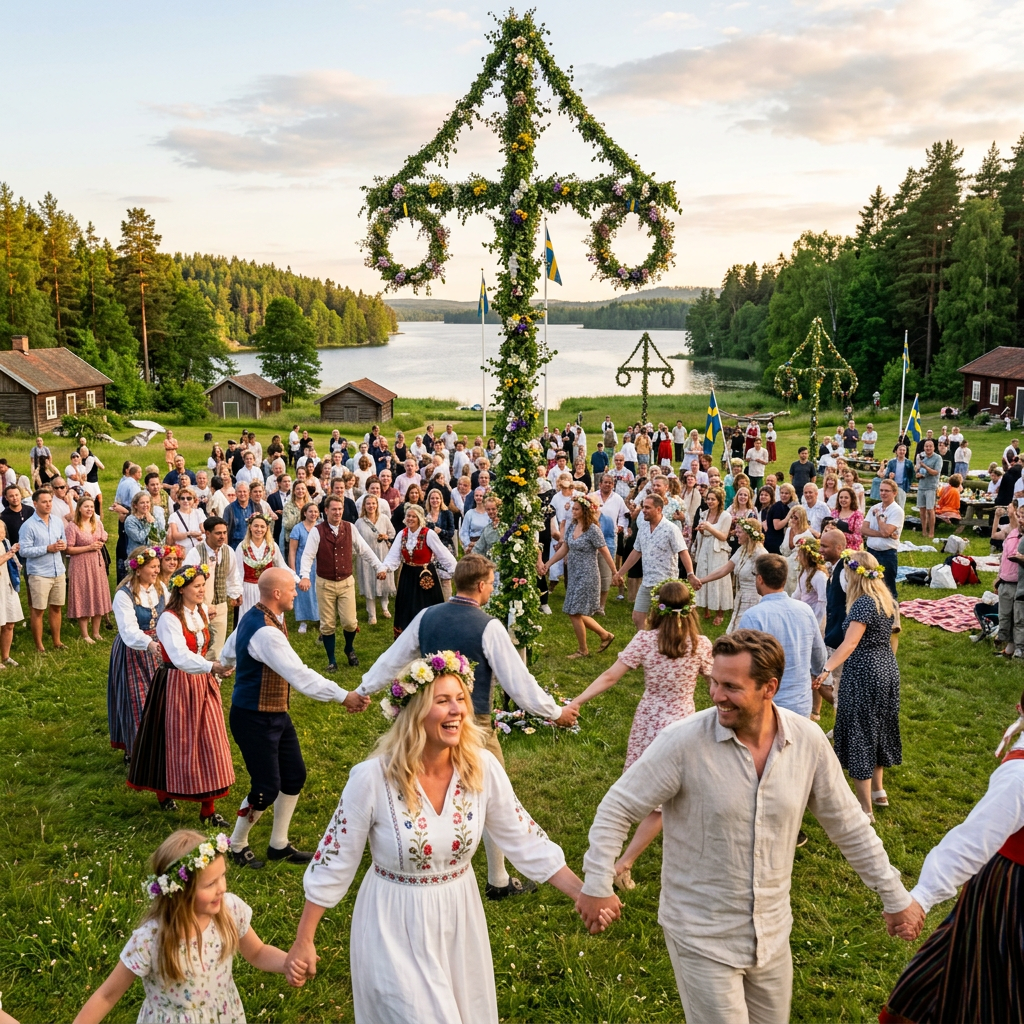
Group of people dancing around a flower-adorned maypole at a lakeside festival in traditional Swedish clothing
People joyfully dance around a decorated maypole during a Swedish Midsummer festival near a lake. This would be a party worth dropping in for a bit.

Bard Bits: Shakespeare and the Ho Ho Ho


Nope, didn’t happen. Shakespeare and Santa were not pals. England during the Renaissance didn’t actually celebrate the holly jolly season like it is currently done. For one thing, the timing was different. These days Christmas sales start around July, with Halloween getting a minimum nod, and Thanksgiving receiving a cordial nod. It’s all about the merc, it seems. Instead of Santa, the Lord of Misrule presided as the seasonal host, whose main job was to organize games and entertainment. That “Twelve Days of Christmas” song that is piped through every store while we shop, shop, shop refers to the days celebrated beginning on Christmas and going on until January 6th. Gifts were exchanged on New Year’s Day. Christmas during Shakespeare’s was more about living than giving, with the emphasis on getting through the bleak season of cold.

Winter was tough in those days. No central heating, no Starbucks warm ups, no snow tires, and no Amazon for last minute orders. There was also the very real concern if the food gathered in the harvest would last until planting could begin again. To pass the long, cold season Elizabethan folk created a myriad of festivals and celebrations to get them through winter.

While he didn’t write a specific Christmas play, Shakespeare did mention Christmas a few times. In Taming of the Shrew Christopher Sly in the opening prologue mentions how the play the audience was about to watch was to be considered folly and fun, much like gambling and tumbling. In Love’s Labour Lost Shakespeare has a character acknowledge that Christmas is part of winter and snow is part of winter. Basically Shakespeare is acknowledging winter is cold and snowy, just accept it, and he would ease the hardship of this harsh season with his comedic plays.

How do you perceive winter? Is it a thumbs up or a thumbs down season for you?

Bard Bits: Overcoming Shakespism


Up until teaching Shakespeare to my high school English students, my exposure and awareness of Stratford Upon Avon’s poet/playwright had been limited to the usual reference of Romeo and Juliet being a play about two teenagers who have a tragic romance. I saw it as a film in junior high. It was rated “M” for mature audiences (being a 13 year old counted as mature then). Certain scenes were embarrassing and I doubt we were mature enough to handle the morning after flesh flash of Leonard Whiting and Olivia Hussey. Plus, I had a really difficult time understanding what they were saying—were they speaking English?

That was then and this is now. At present I’m the resident Bardinator at school, being the advisor of the Students for Shakespeare Club and being known for my Shakespeare zeal. We’ve brought Shakesperience to the high school several times, I’ve helped with our own drama club’s version of Romeo and Juliet, designing sets and watching my son contribute his thespian skills, and I do my best to engage and interest students to embrace Shakespeare, nudging past groans when studying his works. My appreciation for Shakespeare has nudged me to leave my usual homebody mode to travel cross country to Washington DC to attend Folger’s week long Hamlet academy. I’ve gone beyond the usual Romeo and Juliet, Julius Caesar school curriculum offerings and have introduced students to Othello, Taming of the Shrew, Much Ado About Nothing, Merchant of Venice, Twelfth Night, and provided background Bard Bits.

How and why did I go from a Shakespeare illiterate to Shakespeare informed?

First of all, I had to overcome the language barrier. Reading Shakespeare wasn’t working so well. Watching well-produced film adaptations, such as Kenneth Branagh’s Henry IV helped tremendously. Shakespeare is meant to be performed, not read.

Secondly, the more I taught Shakespeare (teaching the same material year after year does have an upside), the more I understood what I was teaching. And if I understand what I’m teaching I can teach the material better to my students.

Beyond teaching the plays, I began reading about the man who wrote them. Since there is so little solid biographical information about Shakespeare, I began researching and became more and more intrigued. Who was this guy and did he really write all these plays and what was theatre like in Renaissance England led to other aspects such as learning more about Queen Elizabeth I and other aspects of that time period.

And I branched out to other plays, learning all about one play before committing to another. The benefit being that Shakespeare’s language was no longer puzzling to my ear, it had become a melody of written expression.

My dream curriculum is to teach a course that is all Shakespeare. We would of course study selected plays and sonnets, but also play Bard Bingo (it’s fun, really), create Flash Mob scenes for the community (field trip!), stage fight (sword fights and Hamlet are a natural), and put on a Shakespeare night for the school—best scenes talent show. I think I would call the course, “Shakespeare Then and Now” or maybe “Shakespeare—the Undiscovered Country.” At least a dozen students would need to sign up to make it a go, then again it could become so popular two sections (or more) would be required as Shakespism transforms into Shakesthusiasm.

I can hope.

Do you suffer from Shakespism or are you a Bardinator or maybe somewhere in between.

Post Navigation