Pam Webb

a writer's journey as a reader

Archive for the category “Reflections”

Yup, it finally happened: the BC, DC, AC


I once worked in a Petri dish. Working in a school there is always the possibility getting infected with something–simple stuff, like a cold to gross stuff like pink eye. In twenty years teaching I managed to avoid the worst of it: Covid.

BC: Before Covid there was the usual dealing with colds, flu, even walking pneumonia, yet knowing recovery would be around the corner helped get through those times. Sick days taken, taking time to get healthy–all a given.

Then–2019. Masks, disinfectant, isolation, on-line education, tests kits, and other aspects became de rigueur.

Going back into the classroom amidst a pandemic compounded the usual stress that comes with working in education. Early retirement sounded better and better.

Wait a minute, two years into retirement, essentially living like a hermit, picking and choosing which places and opportunities to go and participate in, living a careful preventative life (get a booster, wear a mask if feeling sniffly) just how did Covid arrive on my doorstep, especially having avoided it all that time surrounded by it when teaching?

Well, it began with that little back of the throat tickle, the one that says “Hey, a cold might be coming–take care.” Not being sick for two years (funny how getting away from that Petri dish almost guarantees better health), I thought, “I guess I can handle a cold. Three days tops.”

It wasn’t a cold.

DC: There was that niggling suspicion something was amiss. The next day I woke feeling miserable. The yuck truck slammed into me with a fever, aches, and the need for a constant supply of tissues. Deciding to finally make use of that little government kit that’s been up on the shelf gave me that dreaded indicator: Covid.

The shock hits because of all the horrible stories come to the surface: losing smell and taste, getting hospitalized, even dying. It’s almost akin to getting snakebit. I absolutely did not seeing it coming.

Sparing details. I did cancel appointments (even one that took four months to get and now it’s pushed back to February) and isolated. Awkward and inconvenient in a small house. I immediately put a request into our church prayer chain and hunkered down. Three weeks later the symptoms are abated although stamina is not quite 100%, I am feeling better each day. No fever for over two weeks and so I hustled over to my pharmacy and got both my Covid booster and my flu shot. I’ve lost five pounds (no complaints) and my appetite is severely reduced. That could be a positive.

AC: After Covid? I’m cautious about being caught in close crowds. While I did not wear my mask as much once getting my initial booster I do now, learning that getting a booster helps reinfection is possible.

Exactly how I felt

What’s really strange is my son called to check on me, unbelieving I had never had Covid considering I was teaching during the height of the pandemic. He had already gone one round with it (living in a large city has its disadvantages) and the next day he texted to let me know he had woke with a fever and tested positive. Can Covid be transmitted by phone call? Yikes.

So–stay well and do what you need to do to stay healthy. That yuck truck is a reckless driver.

How cliche: Nnnnyah


N as in I need to post a batch of cliches.:

Naked truth: the plain facts. Derived from a fable in which Truth and Falsehood were bathing, perhaps outside in a lake. Falsehood got out first and for some reason decided to put on Truth’s clothing. Well, when Truth got out wearing Falsehood’s clothing did not appeal. So Truth went…well, let’s just hope it was a warm day to wear al fresco.

Naked as a jaybird: An American expression with the British counterpart being naked as a robin. Both being plain birds the expression makes sense.

image: Flickr

Name is mud: being discredited. In the nineteenth century the British Parliament used this expression in reference to someone who had made a fool of himself–mud was a euphemism for fool. Eventually the term referred to someone admitting they had made a hash of something or a bad mistake.

Neck and neck: a close finish. Related to horse racing. As the horses ran towards the finish line they could run so close together they appeared to be running side by side or neck and neck. Today the expression means to be in close competition with someone.

image:X.com

Neither fish, flesh, nor fowl: not one or another. From the sixteenth century, found in Heywood’s 1546 Proverbs: “She is neither fyshe, nor fleshe, nor good red herring,” which refers monks who ate fish, general folk who ate meat, and the poor who ate herring. Shakespeare’s Falstaff describes Mistress Quickly as a woman no man desires because, “She’s neither fish nor flesh.”

Never say die: not giving up. A term frequently used today which dates from mid-nineteenth century when Dickens wrote in Pickwick Papers “Never say die–down on your luck.”  James Bond should have paid attention to Dickens.

image:Redbubble

No news is good news: hearing nothing means everything is fine. King James I is credited with saying, “No news is better than evil news.” Over time others have expressed similar words such as James Howell, Charles. Dickens, and others.

And the ubiquitous–

No problem: everything is fine; glad to help. Around the mid-twentieth in America the term “no sweat” was often used to express the feeling of there being no problem. In other countries the expression transfers into something similar such as in Australia people say, “No worries.”

Dr. Strange says: “No problem.”

Reader Roundup: September 2024


September is a lovely month with its gentle fading from summer to fall. There are those halcyon days of summer warmth that lend enough sun to read in the hammock still.

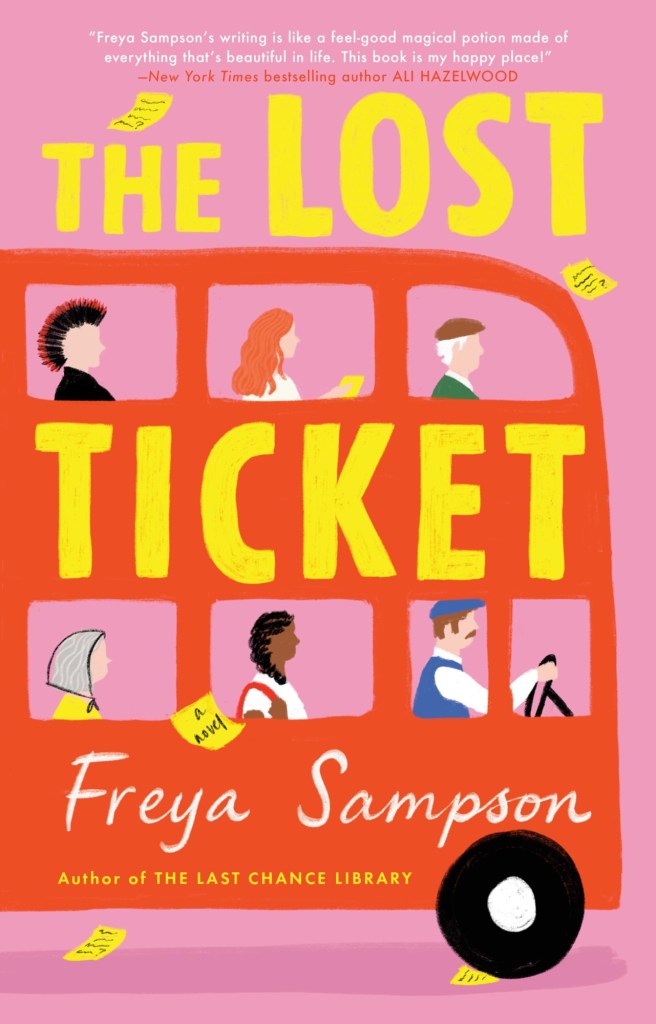
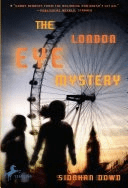
This month seemed to be focused on mysteries, which are my fave when lazy reading. Here are the top picks:

image: Amazon

A Line to Kill by Anthony Horowitz

This is the third installment in which Horowitz portrays himself as a sort of sidekick to the enigmatic detective Hawthorne. This time it’s a bit of locked room mystery as the deed takes place on Alderney, a British channel island.

The conceit of writing himself as a character is still working for the most part, but the wink and nod of the meta fiction ploy is starting to wear thin. Several red herrings along with a few subplots add up to a satisfying read. One question though—if this becomes a TV series who will play Horowitz?

image: Target

The Scottish Ladies’ Detective Agency by Lydia Travers

The trope is not unique, a plucky woman from a wealthy background opens a detective agency and brings in an assistant from a lower class. What differentiates this entry is how well the two women, Maude and Daisy, work together as partners and friends. Daisy, formerly Maude’s maid, takes on her assistant role with aplomb, deferring to Maude as her boss, without being subservient. Her Scottish wit and brogue add a nice sassiness to their interactions.

The book opens with the first case, protecting jewelry from thieves, and leads into several cases. The storyline provides enough twists and red herrings to make it interesting, and even though there were a couple of contrived situations, there is enough charm and engagement to let it pass.

Infusing the story with historical details such as the suffragette movement and the introduction of modern conveniences such as vacuums and automobiles adds interest to the overall setting of Edinburgh in the early 1900s.

I’m discovering there are all sorts of cozy mysteries out there, ranging from teachers to bakers, to knitters even to pets getting in on the action. PBS is quite well-stocked in cozy mysteries, and is currently running Horowitz’s Moonflower Murders, which is the second in the Susan Ryeland series, where she is a book editor solving a murder mystery. Fun stuff. PBS is so involved in cozy mysteries they have developed a cozy mystery bingo card. Great for watching movies or for reading books. Check it out!

What are your favorites among cozy mysteries?

Library Credit Card–they are kind of like them, you know


September is Get A Library Card month. Considering getting a card at most libraries is as simple as verifying one’s address I’m surprised how many people don’t have one.

It was a grand moment when I first received my library card in elementary school. Sliding my card over on the librarian’s wooden desk in exchange for a couple of books to read seemed quite a wonder

Then the day arrived when I filled out the application and received my public library card. I felt that card provided freedom and a bit of power as I could select most anything I wanted to read and my card gave me access to other libraries in the system.

From there it an assortment of library cards found their way into my possession: college; new cards when I moved; donor status cards (gold—ooh); and key fob versions. These days I don’t even need a card since my photo is on file. I just show up at the counter with my selections.

So many people I know, including my progeny, buy their books, which is admirable, of course. I would go broke, easily spending my pension on my reading habit of two-three books a week. Thank goodness for my library (credit) card for that’s how I see its use, except there is no monthly bill.

In fact, I save money using my library card, my receipt tells me so every time I leave with my bag of selections.

I have more library cards than credit cards—that’s a good thing, right?

Word Nerds: Collective Nouns


Naming a group of something is a job I wouldn’t mind applying for. Someone gets to do it and the results are pretty fun, especially when it involves animals.

A Kindle of Kittens

A Congress of Baboons

A Prickle of Hedgehogs

A Bloat of Hippopotamuses

A Mischief of Mice

A Waddle of Penguins

A Memory of Elephants

A Whoop of Gorillas

A Raft of Otters

A Scurry of Squirrels

A Journey of Giraffe

A Crashof Rhinoceroses

The Need for Read


Photo by Karolina Kaboompics on Pexels.com

If you have yet to notice from my posts, I really, really like to read. Monthly I post my five star reads from the previous month as a means of sharing the wealth of books that are out there. You might be asking “Well, if you love reading so much how did two very important dates whiz by you without a mention?” You caught me out. National Read a Book Day is observed annually on September 6th and on August 9th readers celebrated National Book Lovers Day–yet I did not notice. I guess I was too busy reading.

My entry into the classroom was through the pathway of being a school librarian. I hadn’t intended on being an English teacher, yet when the head librarian retired the district decided they would not be filling that VIP (very important position) with a certified librarian, such as myself, and save a little money and instead have a classified staff member wing it. At this point in my narrative I must breathe deeply and chant, “Let it go. Let it go.”

So instead of running the school library and promoting books to high school students I found myself promoting books by teaching about them. I made it work. One course of action I followed for many years was to have my students read the first 10 minutes of class. Most were familiar with the SSR (silent sustained reading) from previous years, although many had decided books were not cool when they entered middle school and that attitude carried over into high school. Hah–don’t tell a librarian at heart reading is something not to be pursued. Reading is so very, very important I would inform my students. Here’s a few reasons why:

  1. Reading Exercises the Brain
    Diana Anson, LCSW, a professor of psychology at the College of Southern Nevada has this to say: “Even problem-solving becomes easier as you develop the ability to see problems from different angles. … Reading is to the mind what the gym is to the body—only without the sweaty gym clothes.”
  2. Reading Can Slow Down Brain Aging
    According to a 2021 study published in International Psychogeriatrics, researchers found that frequent “reading activities” were associated with a lower risk of cognitive decline in older adults.
  3. Reading Is Stress Relieving
    Anson, the psychology professor, noted that a study done at the University of Sussex indicated that even six minutes of daily reading can reduce stress levels by 68%. “Other studies have shown that regular readers report better sleep, less stress, higher self-esteem and lower rates of depression than nonreaders,” she added.
  4. Reading Boosts Vocabulary
    Researchers estimate that we learn 5% to 15% of all the words we know through reading, according to a Scholastic report.
  5. Reading Can Promote Well Being
    According a Scholastic’s Kids & Family Reading Report 30% of infrequent readers reported feeling lonely compared with just 19% of frequent readers.
  6. Reading Develops Empathy
    Keith Oatley, an author and professor emeritus of cognitive psychology at the University of Toronto believes, “The more fiction…that people read, the better became their empathy and understanding of others.” This is because “With fiction, we step into someone else’s perspective. This helps us understand how and why people with personalities or values different from our own might act the way they do.”
  7. Reading Initiates a Good Night’s Sleep
    Anson states that reading a good book right before bed can help initiate a good night’s sleep, provided it’s in paper form–no Kindles. “Turning off electronic screens and settling into a book before bedtime can improve sleep quality,” she says. “The soft glow of the bedside lamp replaces the harsh blue light of devices, signaling your brain that it’s time to wind down.”
  8. Reading Can Boost a Workout
    Plugging into a good book, be it Kindle, paper, or audio can motivate a person to keep going. Inspirational music or a story can distract a person to push through. And not only at the gym–housework, homework, too.
  9. Reading Promotes Community
    Scholastic’s research found that 92% of parents and their children who read together found it to be a special bonding time. Even if reading can be solitary, sharing what has been read with others brings people together for discussion.
  10. Reading Helps Learning
    Before Google and Wikipedia provided all the answers people turned to books to learn knowledge. Reading, even if its Internet initiated, prompts the brain to absorb by stirring up brain cells. While nonfiction is learning facts, fiction can also prompt new ideas. Reading fiction helps a person experience new settings, new types of people, new situations which expands one’s perspective.

    Even though those two Celebrate Reading days passed me by (scampering over to my calendar to make notes for next year) I don’t feel too bad because I celebrate reading everyday.

    Hoping you find joy in reading a good book.

    Happy pages!

That Tuesday Feeling


The day after Labor Day is traditionally when school starts. It signifies for most the end of summer and the beginning of nine long months of spending daylight hours in the classroom occasionally, and mostly wistfully, glancing out the window, anticipating being released from the four walls of education.

I imagine students feel the same way.

Is it June yet?

Before I retired from teaching I did look forward to the first day of school—kind of. Truth be told the first day of teaching, at least at the high school level, can be awkward for both students and teachers. Getting names right, going over expectations, trying to establish a rapport, returning to a scheduled routine of bells dictating the day week after week.

Wait—

Sounds a bit despondent, doesn’t it? Don’t get me wrong. I enjoyed being a teacher. I just enjoy being a retired teacher so much more. I’m in good company.

Recently I gathered with around 25 other retired teachers from our local high school for our annual get together. It’s always scheduled on the day teachers have to report to school for in-service meetings. I think that’s it meant to be a wink and a nod that we don’t have to be there anymore. We all agreed being retired is better than being tired again and again, something that occurred when teaching.

This will be the third year I will not be returning to school. People have been asking me if I miss teaching and are often surprised when I quickly say, “Nope.” Teaching is hard work. And teaching became harder because of Covid. In fact, talking to friends who still teach, Covid is still impacting teaching. It’s probably not going to get any easier.

So while I don’t miss teaching, I do miss being a teacher. Then again while I might not be currently teaching I will always be a teacher. You know the saying: You can take the teacher out of the classroom but she will kindly decline offers to return once retired.

Oh, there’s a different saying?

Happy Tuesday-after-Labor Day to students and staff. Hope your year is pleasant and enriching.

Excuse me while I plunk myself in my hammock and read another book in my retirement.

Reading, retirement, relaxing—my three new “Rs”

Bard Bits: Hamletized


Summer events that create a more memorable season start with graduation ceremonies. Toss in at least one wedding or a wedding reception along with a church picnic, add in the county fair, include a bit of company to round it all out.

While those events add some pizazz to the summer months, I do count on Shakespeare in the Park. The one day performance arrives in the middle of August and I stop, drop whatever I’ve planned, and position my camp chair on the lawn at the designated park venue and for two hours I revel in Shakespeare.

This year The Montana Shakespeare in the Parks presented their two hour adaptation of Hamlet. Their version focused on what seemed to be Edwardian costume style adding a reserved aspect which offset the emphasis on pulling in the comedic components of the play. I never considered Hamlet a comedy; then again some of lines are quite witty when said with panache.

All the world’s a stage or at least a park is for a summer evening

I didn’t become aware of Hamlet until I began teaching high school English. In fact, I wasn’t aware of Shakespeare until I began teaching his plays. That’s right. Somehow twelve years of public schooling and six years of college and no Shakespeare classes. Shocking, I know.

Once I discovered the tragic Dane there was no turning back. Not only did I teach Hamlet, I set out to watch every version available (still trying to find Jude Law’s Broadway version). One year I flew back to Washington DC to join 29 other teachers for a week of Hamlet Academy at the Folger Library. I then went on to write a choose-your-own path Hamlet, and created the play as a contemporary murder mystery.

Yes, I have become Hamletized and I am okay with that.

Which Shakespeare play has grabbed your attention to the point of almost unreasonable fascination?

Oh, deer—such vandalism


They had been at it again. Just outside my window while I slept they wreaked havoc in my yard. Half-chewed apples lay scattered on the ground, a bed of sunflowers stripped of their leaves, petunias, cosmos, and other assorted flowers deprived of their blooms. The solar fountain lay wounded on the grass with its bitten supports scattered on the grass. The birdfeeder emptied.

Leave the hostas alone, thank you
No sunflowers this summer
Where are my petunias?
So much for cosmos
Seriously?

I won’t go into specifics but the garden marauders left evidence of their feasting in little pellet piles all over the yard.

Yes, the deer gang had been at it again. Terms of endearment on my part are being withheld.

Considering we’ve lived for nearly thirty years in a suburban pocket surrounded by woods we should be used to wildlife ravaging our garden from time to time. Admittedly, the animals are appreciated for their beauty and we still are mesmerized when they pass by the window, and we are even honored they feel safe enough in our yard to hang out with their babies, and yet it is so vexing that they terrorize my garden. Without accusatory fingers pointing too harshly, the deer are mainly to blame. I have yet to catch the moose, bear, and raccoons in the act of destruction, although they often leave evidence of their presence, which I see as a blatant “Ha, ha–been here and didn’t get caught” message. The deer have become my scapegoats because they are absolutely shameless.

Counter-deer terrorism strategy is to plant that which is not tasty to deer palettes such as day lilies and lavender. However, I do favor the annual punch of summer colors such as cosmos, petunias, and pansies though. Unfortunately so do the deer.

My neighbor had the same problem, even putting up a six foot cyclone fence around her veggie garden. Her hostas also took a hit. Probably the deer did so in retaliation for being separated from their salad needs.

Another neighbor resorted to one of those movement sprinklers. We inadvertently activated it on an early morning walk. I wasn’t even looking at their flowers.

My current deer deterrent strategy involves a spray mixture of Irish Spring soap. It works if I am diligent. If I forget, well, I guess the plants will grow back.

Think green

I have to take down the birdfeeder at night and rig a cage lid for the solar fountain.

Getting cagey with those deer

Yet for all my grousing I still get happy when I spot a deer in the yard, as long as they are passing through.

I don’t mind providing grits in winter since the garden is asleep
Resting up before night maneuvers
I know, it’s difficult to be angry with such cuteness factor (but do they have to decimate my hostas?)

Word Nerds: Vocabularians Jest Having Fun


It’s summer and with it comes some vocabulary reflecting this season.

craic: fun and entertainment, especially good conversation and company.

Photo by Pineapple Supply Co. on Pexels.com

noctilucent: (of high-altitude clouds) visible during the short night of the summer.

Photo by Simon Berger on Pexels.com

refulgent: shining brightly; radiant; gleaming.

coruscate: to emit vivid flashes of light; sparkle; scintillate; gleam.

gullywasher: a usually short, heavy rainstorm.

Photo by Aleksandar Pasaric on Pexels.com

petrichor: a distinctive scent, usually described as earthy, pleasant, or sweet, produced by rainfall on very dry ground.

quotidian: daily.

Photo by Ben Mack on Pexels.com

jouissance: pleasure; enjoyment.

beek: to bask or warm in sunshine 

foudroyant: sudden and overwhelming in effect; stunning; dazzling.

frabjous: wonderful, elegant, superb.

foozle: play clumsily.

Photo by RDNE Stock project on Pexels.com

Post Navigation