Bobbling through my collection of words I noticed more than a few “S” words and thought a shaking out might be a good idea.
saponify: convert into soap
segue: smoothly transitioning from one thing to another
scholarch: the head of a school
swain: a male admirer
stravage: to wander aimlessly
sinsyne: from that time; since then
sylvan: relating to the woods
Out of all these I do so like stravage, as wandering aimlessly is an enjoyable pastime.
There are benefits to wandering aimlessly, I suppose. Being a person who usually has an agenda, I find the concept of walking without purpose I find it difficult to accept the idea of walking without an aim. Yet, this video provides a convincing persuasion that wandering aimlessly actually has a purpose.
Are you one who wanders with purpose or one who wanders without aim?
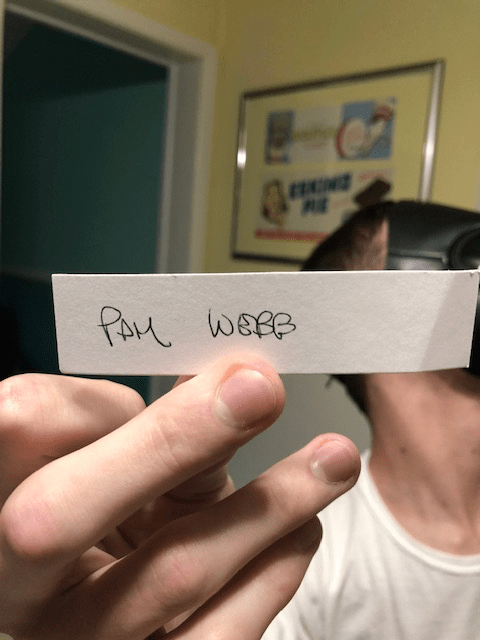
Yes—I was chosen by the grand mixer (it’s quite the entertaining process). A copy of Mike Allegra’s newly published Sleepy Happy Capy Cuddles is heading my way.
Waiting…
Is today the day?
A key? Could that mean?
Ooh–a book-sized envelope. Could it be?
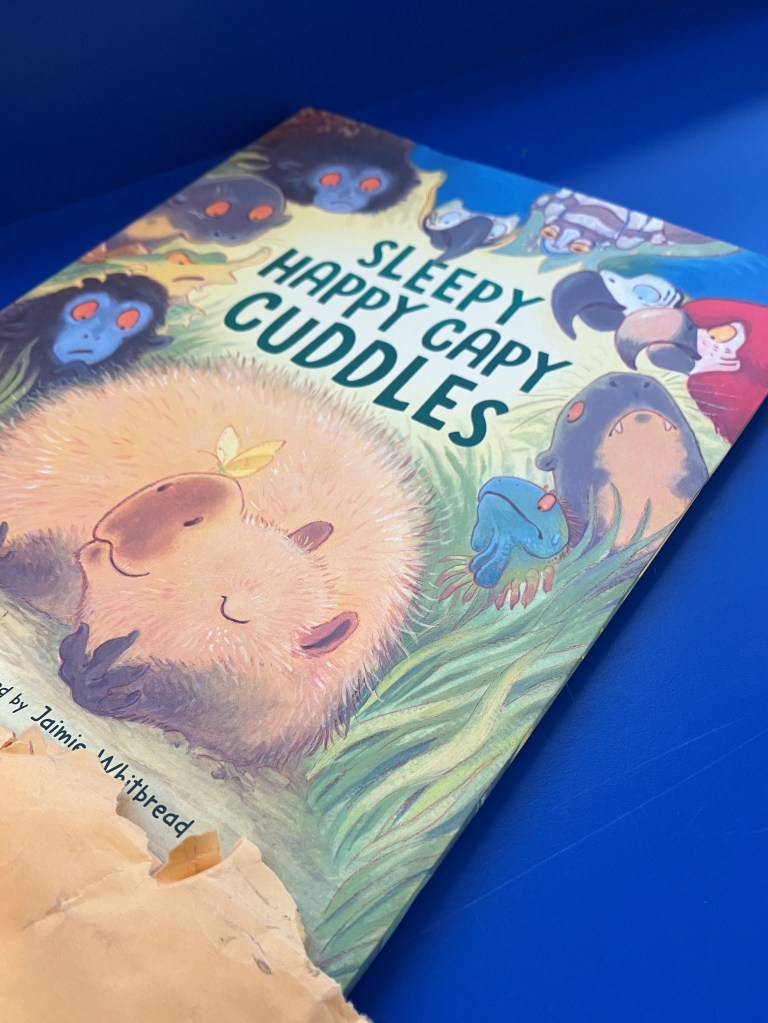
Yes! My very own Mike Allegra Sleepy Happy Capy Cuddles book is here!
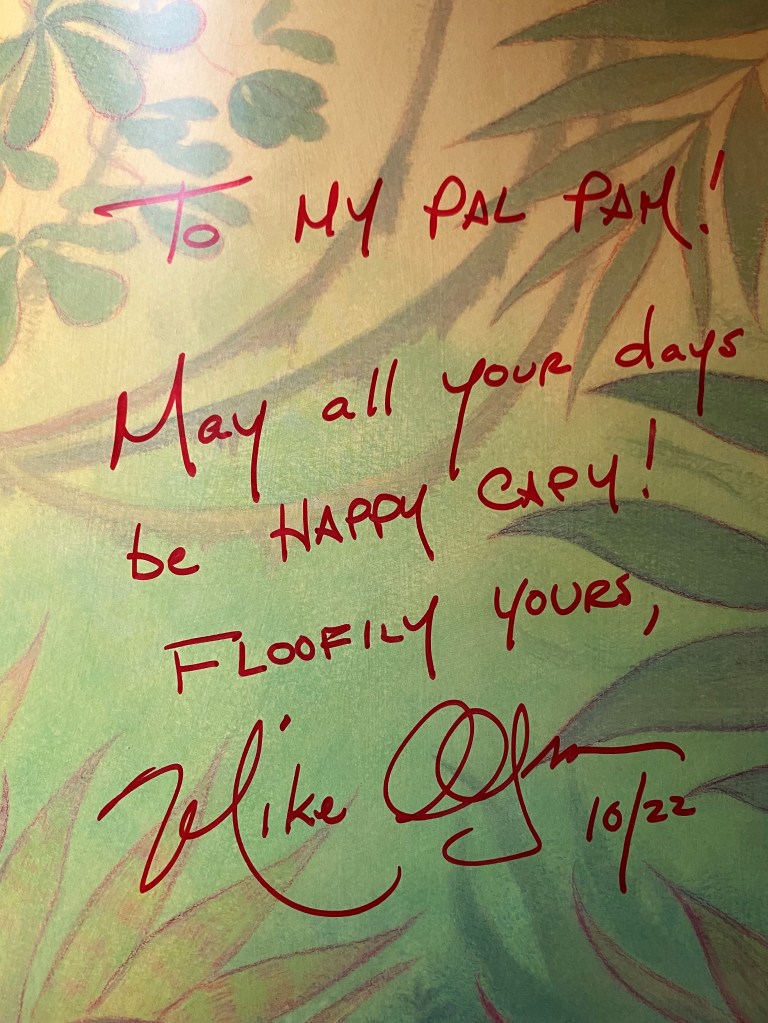
And it’s personally autographed! Nice:)
Wait–there’ are bonus features…
Bookmarks! Coolio!
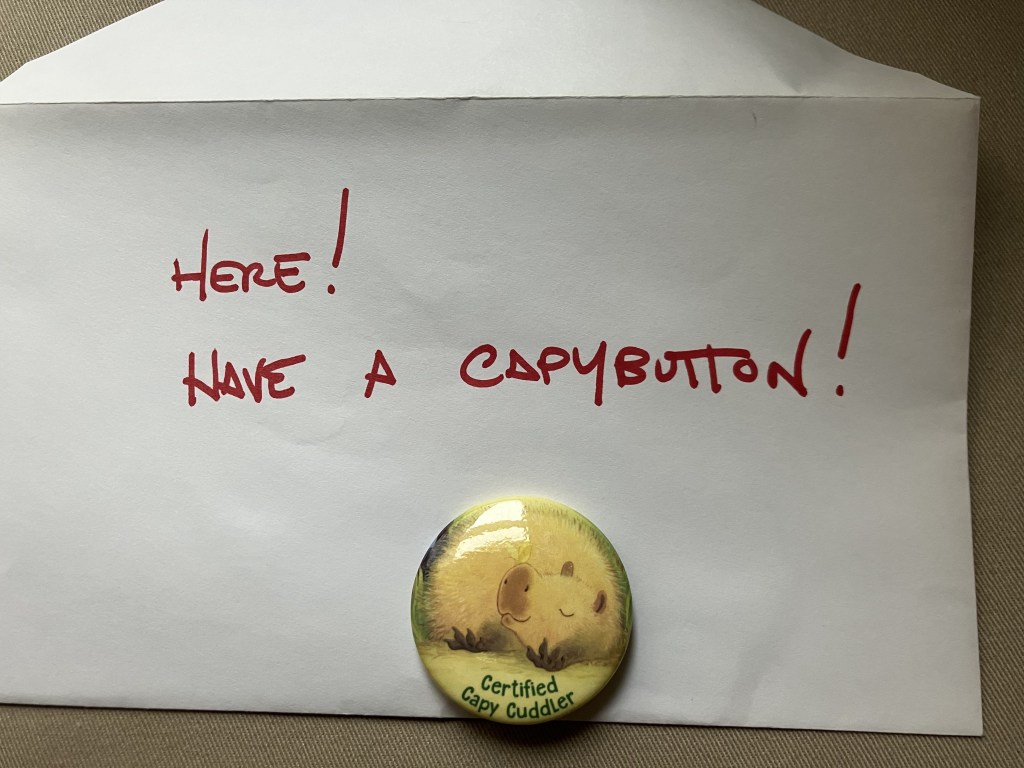
And another envelope…
Aw–I love buttons. And this is a lovely, no make that a floofily fun book. Thanks, again, Mike. And thanks to that wonderful wacky winner stirrer that is in residence.
I hear pirates and penguins are the next arrivals to the ever growing Allegra compendium. Looking forward to its arrival.
Some lovely late autumn days provided moments of sitting in the sun to enjoy my remaining days of reading outside for the season. Reluctantly the hammocks are packed away and I am now reading books in the garage protected from the chill breeze of fall, where just enough sun lands to keep me mollified, provided I bundle up. I have been known to read cocooned in winter clothing and a thick blanket in my quest of al fresco reading time.
During October I read a bit of everything from historical fiction to romance adventure (reading for the adventure aspect), to murder mysteries and children’s fare. Out of sixteen books only three rated a five star read and that would be:
Brian’s Hunt by Gary Paulsen
Brian’s Hunt, the fifth and last installment of the Brian books, is Gary Paulsen’s tribute to both Brian of Hatchet fame and Paulsen’s love and respect for the ebb and flow of the wilderness. While two thirds of the book is deceptively calm, almost transcendental in describing Brian’s canoe sojourn on the river, the last third Paulsen kicks into “Hatchet Mode” and beguiles the reader by creating a memorable adventure tale. Thoroughly detailed and thought-provoking, Brian’s Hunt is a complement to the Hatchet series, yet it can very much be read as a standalone.
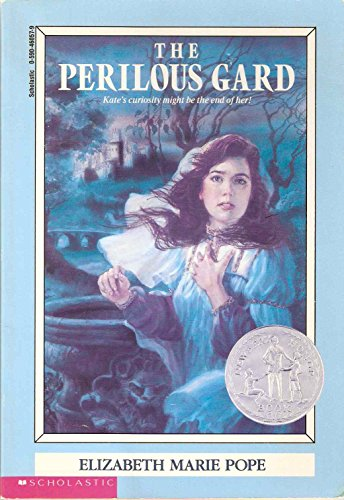
The Perilous Gard by Elizabeth Marie Pope
A Newberry Honor Award that is an older read, one that falls in with Narnia with its medieval world setting and threads of magical realism. A story that starts with Queen Mary on the throne, it centers on young Kate Sutton who is sent away to live at a remote, mysterious castle due to displeasing the queen. Kate is a spunky heroine and she is out to find the truth about the supposed Fairy Folk who reside in the hills. For those who enjoy Mary Stewart’s King Arthur series, this is a consideration, even if it found in the juvenile section.
SIDE NOTE: some of my favorite reads are found in the kids section–have you noticed that as well?
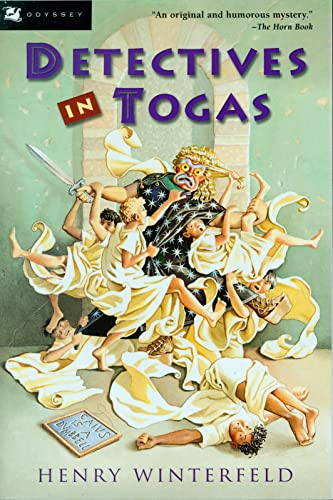
Detectives in Togas by Henry Winterfeld
An unexpected fun read that is also from long ago. Translated from German, this tale transfers well the humor of how a group of Roman schoolboys attempt to solve the mystery of the painted words Caius Adonis Est or loosely translated Caius is a dumbbell. These words get one of the boys thrown into prison (Roman was a tough place, even on kids). His buddies try to get his name cleared in order to free him from the fate of wasting away in the dungeons. An entertaining story that combines laughs and Roman history, an unlikely combination. Some violence, such as cruel imprisonment and a man falling to his death might be a consideration for younger readers. Having taught Julius Caesar for a number of years it’s with regret I found this gem after I retired from teaching sophomore English.
Stay tuned for my post on what makes a book a five star read. Otherwise you might think me a finicky reader.
Any reads that you care to share? Please leave in the comments, as I’m always willing to add to my TBR list.
Shakespeare’s stated politics are not overtly known; however, some ideas can be gathered from his plays with some sleuthing, and a small bit of supposition.
For instance, his thoughts on the ruling class come through as somewhat mocking in the Henry plays, with the heir apparent, Henry IV, carousing with rowdies and hanging out in taverns, while portraying King Lear as being irresponsible with his power by dividing it before he is done with the throne (and see where that got him). Then again, Henry and Lear did end up redeeming themselves, but at high cost: loss of friendship, loss of loved ones, and even loss of sanity.
image: folder.edu
Shakespeare also mocks hardened, pompous rulers evidenced in Richard III, Coriolanus, Hamlet, The Winter’s Tale, and even The Tempest. It’s true he does his fair share of mocking commoners, with Bottom as the poster boy of ridiculous in A Midsummer Night’s Dream.
Then, is he considered a proponent of politics or simply an observer of human nature?
During Shakespeare’s reign on the stage he served Queen Elizabeth I and King James. He came close to sharing a cell with the Essex instigators against the queen when they requested Richard II be played out for the deposition scene. The Bard escaped judgement. The Earl did not. Footnote: the 1597 version omitted the abdication scene.
Shakespeare knew not to bite the hand that paid him, which accounts why his portrayal of Henry VIII, Elizabeth’s father, is toned down. What he thought of King Henry privately did not necessarily make it to the stage, and the history books are mute on William’s opinions on the monarchs beyond his plays.
Several of his plays deal with seizing the crown or regicide, sometimes the two being combined. This could be interpreted two ways. One way is that Shakespeare is emphasizing how chaos erupts when the ruler is violently taken–see Julius Caesar. The second way could be postulating that he understood how his fellow common folk were sometimes tired of their rulers and it was time for a change. The stage allowed for historical reenactment with artistic license–give the paying crowd what they want.
It looks like Shakespeare played both sides by pleasing the monarchy (thus protecting his life), and pleasing the audience (thus protecting his income).
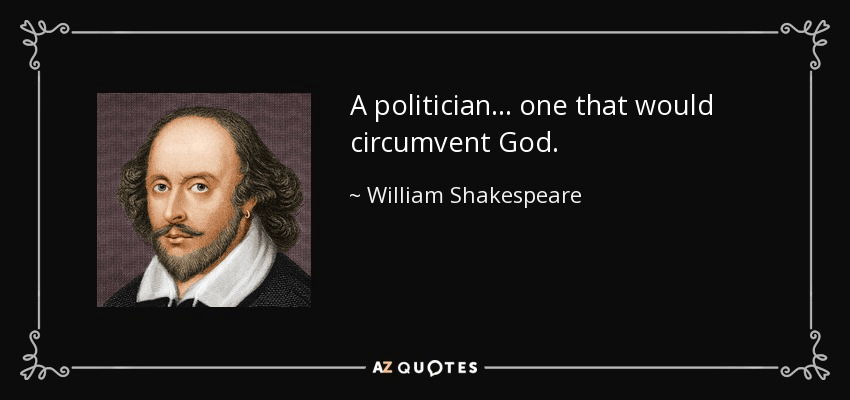
Sounds like Shakespeare could have run for office himself.
image: AZ quotes
Then again he was smart enough to use the stage to present his politics in the guise of entertainment, and aren’t the majority of politicians merely players?
The Society for Children’s Book Writers and Illustrators (SCBWI) promotes children’s books, writers, and illustrators through their Bookstop campaign. From October 20 through December 5th people can peruse scads of great children’s literature here.
I will be running Bookstop posts on Instagram periodically. Pass the word!
A great gift choice for those anticipating a visit from special people like grandparents!
If you missed purchasing the book for Grandparents Day back on September 11th, then get your holiday shopping done early by ordering from Beaming Books or your favorite online shop site.
A continuation of more sayings with the beginnings of “F.”
(To go over with a) Fine-Tooth Comb: While combs have been around since the ancient Egyptians dressed out their locks, the term “fine-tooth comb” is from the front half of the nineteenth century when a fine-tooth comb was used to find nits, those teeny lice eggs that lodge in hair. Using a fine-tooth comb means to look thoroughly, carefully to find something. Nit-picker comes to mind, so watch out for those who carry a fine tooth comb.
image: liceworld Combing through the evidence requires the right tool.
(to have a) Finger in every pie: Being involved in many activities to the point of being too involved is the essence of this saying. Shakespeare, once again, is credited with this saying, which comes from Henry VIII, when the Duke of Buckingham says of Cardinal Wolsey, “No man’s pie is freed from his ambitious finger.”
First Things First: This is a familiar saying and dates from the nineteenth century, yet it might not be as well known that there is more to the saying: “First Things First, Second Things Never.” This said by Shirley Conran in Superwoman.
Fish Out of Water. Being out of one’s element is not a comfortable feeling. It no doubt was quite noticeable that a fish does not survive long being out of its element of water. St. Athanasius around 373 A.D. is credited to putting down this observation. Over time others have used this expression including John Wycliffe, Geoffrey Chaucer. It is a cliché in present use.
Take a deep breath when venturing out of one’s element might be helpful
Fit to Be Tied. To be angry enough to be prevented from doing damage is certainly being angry. James Joyce in Ulysses used the line to express the deep feeling of anger: “I was fit to be tied.” So when a person says they are all tied up at present perhaps they are dealing with anger issues.
Flattery Will Get You Nowhere. Appealing to one’s vanity might work with some people, but not for all. Cicero was among those who warned against flattery, but a more modern application appears in Ellery Queen’s 1971 A Fine and Private Place as “Flattery will get you nowhere, Queen,” in response to an insulting comment. This leads to another aspect of the saying which is “Flattery will get you everywhere” in response to a compliment.
Fly Off the Handle. Losing one’s temper can be alarming. It can create analogies such as when a hammer comes off the handle when striking a blow. An American term from the nineteenth century, it’s still in use today.
Then again, there can be a different perspective on the saying.
Food for Thought. Information to ponder. Food for the stomach and thoughts for the brain. Combining the two concepts brings about this saying implying that the brain can chew and digest information much like the stomach can process food. Erasmus stated in his sixteenth century Adagia: “Nor try to put courteous conversation in to the minds of impudent men, for speech is the food of thought.” Mark Twain added his twist in the 1889 A Connecticut Yankee: “there was food for thought there.”
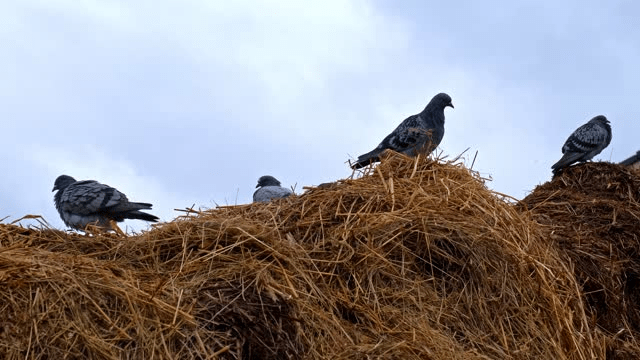
For the Birds. Not of much use; seemingly worthless. A definite explanation is not confirmed, yet it is thought this an American slang from the early twentieth century. The expression refers to how birds would search through horse droppings for seeds. Some construe this as meaning the referred situation is “horse apples” or that is worthless.
This stack is for the birds
Forty Winks. A short nap. It’s thought Willian Langland in 1377 coined the term “wink” meaning sleep when he wrote “Thenne Wakede I of my wink” (“Then I woke from my sleep). As is the “forty winks” this might be attributed to an 1872 Punch magazine article referring to the long, tedious reading of certain church articles. The comment made in the article indicated that after reading thirty-nine of the articles forty winks might be required. Perhaps the meaning is that some readings induce sleep.
Fresh as a Daisy. Full of energy, well rested. Dickens used this expression in the 1845 The Cricket on the Hearth: “She is presently came bouncing back–the saying is as fresh as any daisy; I say fresher.” As daisy means “days eye” in Old English, referring to the yellow center. The daisy, like many other flowers, closes its petals in the evening and reopens them in the morning. The center being revealed once again is freshly ready to face the day.
From the Bottom of One’s Heart. Sincerely meant. The 1545 Book of Common Prayer states, “Be content to forgive from the bottom of the heart all that the other hath trespassed against him.” While a cliché, it is one that is still in use and aptly applicable, and I mean that sincerely.
So many more sayings from the “F” list, yet we move on. Any surprises from the list? Any sayings missed?
I’m better with fall cleaning than spring cleaning. Once I sense blue skies and a bit of warmth I head outside. In fall, when the weather begins to fade I get the urge to tidy the abode, knowing I will be stuck inside for 4-5 months. If I were a squirrel I would be tossing out the old acorn shells.
So it is with my word collection file. It needs tending. Watch for some oldies, but goodies as they fly out the doorway.
Erudite gibberish still sounds cool
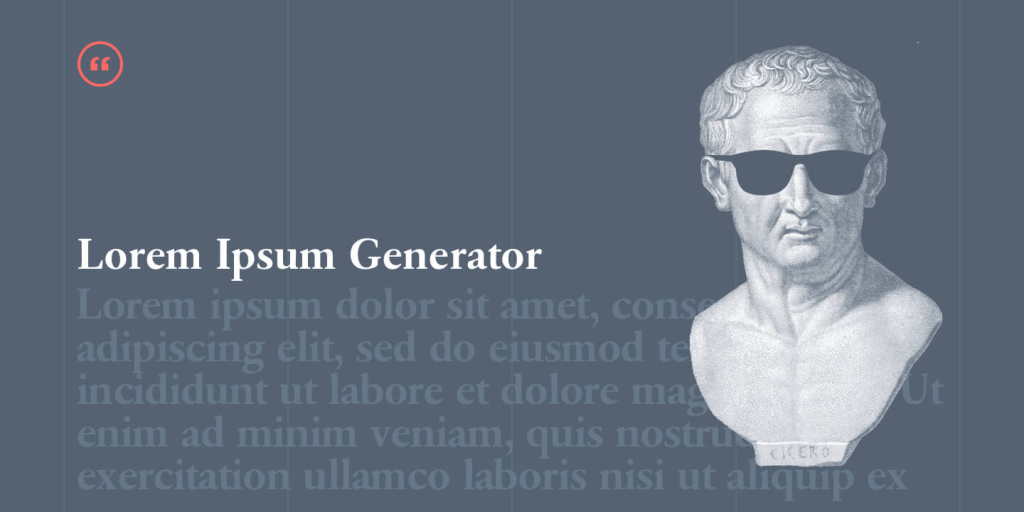
Lorem ipsum: have you come across this phrase accompanied by other Latin-sounding words? Lorem ipsum dolor sit amet, consectetur adipiscing elit. Nam hendrerit nisi sed sollicitudin pellentesque. While it seems as if something meaningful is being said it is actually typesetter gibberish. Google translate is at a loss for words.
Earliest words
Earliest Words
According to http://www.dictionary.com these are among the earliest words in spoken language. I collected these ages ago and it is time to release them:
We: plural of the first person “I” it makes sense to include everyone else. It is derived from Old English and is connected to Dutch and German.
Black: lacking hue and brightness; absorbing light without reflecting any of the rays composing it,” this word also describes “the absence of color.”
Mother: this one has deep emotional roots in all languages. Mother was mōdor in Old English, mater in Latin, and mḗtēr in Greek.
Give: in order to function as a community the act of sharing is the basis of this word. Coming from the Old English gefan, give is related to the Old Norse gefa, the Dutch geven, the German geben, and the Gothic giban.
Man/Woman: a fairly obvious designation. Originally, man could refer to a person, regardless of their gender, with the words wer specifically referring to “a male” and wīf, “a female.”
Fire: people need light and warmth. The word developed from the Old English fȳr.
Hand: need this to do things, like make a fire. Old English: hand, also sometimes spelled hond. It’s related to the Dutch hand and German Hand.
Hear: needed for communication. Developed from the the Old English heran and hieran.
Spit: makes sense to have a word that imitates the action. A critique on cooking too closely with fire?
Old: aging is part of life. Developed from the Old English eald and ald.
This: such a handy pronoun! Developed from the Old English thes.
Other Acorns of Note.
These are words that at the time of collection (some more than a year old), but just aren’t as shiny as they once were. Maybe they appeal to you:
Panglossian: extreme optimism in the face of adversity.
Versal: universal or whole.
Mammock: to break, tear, or cut into fragments; shred.
Obnubilate: obscure, cloud over.
Deliquesce: to melt away.
Minatory: menacing; threatening.
Penumbral: being shadowy or indefinite.
Tantivy: full gallop
Toxophilite: an archer.
That’s better. I now have room for more storage. Find any words you plan on storing up for another day?
Usually I highlight the five star reads from the previous month as a Reader Roundup.
No five star reads in September.
Yes, this is disappointing to report. I read fifteen books and several were okay, some were meh, and a couple came close being a really good read. Keeping to my standards though, and no five stars.
So–
This post will instead feature a really good author: Gary Paulsen. Yeah, the guy who wrote Hatchet. Yes, that story of a boy whose private airplane pilot dies en route to see his father and they end up crash landing in the Canadian wilderness. He survives moose, mosquitoes, and choke berries with only a hatchet. It’s the book my sophomore boys usually picked to read for their book report even though I know they have read it (again and again). It is a good book, but Gary Paulsen wrote more than Hatchet. In fact, he wrote around 200 books, five being related to Brian of Hatchet.
image: sperrygoodemporium
A phenomenal author who wrote mostly about survival, be it in the wilderness or just making through a dysfunctional life, Paulsen also wrote humorous stories and historical stories. He wrote with insight and knowledge. He was the type of writer who lived his stories which is one reason they are so engaging. He knew what it was like to live in the wilderness. He hunted, fished, sailed—he even ran the Iditarod.
Looking at a photo of him it is difficult to get past his grizzled hermit-in-a-cabin appearance. Yet, he was a wordsmith and loved to read books along with respecting and rejoicing in the wilderness.
image: Wikipedia
Gary Paulsen passed from heart failure at 82 in 2021 and leaves a legacy of books that generations will discover and appreciate. His writing and his storytelling, especially his Brian stories are worthy reads at any age.
My husband, well past his middle school years, is absolutely enthralled with Paulsen’s books. His utterances of “whoa” and “wow” and guffaws of delight make me set aside my “grownup” books and reread Paulsen. I agree with all his observations, and we have great share sessions.
A really good read from a really good author is a treasure.
Did you know that in Shakespeare’s day actors were prone to sound more like pirates than BBC? Original Pronunciation is a bit like talking like a pirate.
Research turned up by the the father and son team, David and Ben Crystal, indicates that the actors, due to coming from all parts of Britain (and some beyond) were not erudite, polished speakers as presented on today’s stage. Instead, these were mostly working class sorts and their speech sounded more like this:
than this:
Kind of piratey, wouldn’t you say?
I don’t know if the world is ready for Jack Sparrow taking on Hamlet, but who knows–look at what rap did for Hamilton.