Pam Webb

a writer's journey as a reader

Archive for the month “March, 2021”

Bard Bits: Going Global


Shakespeare and crew pulled a fast one on their landlord. After a disagreement about their lease, they dismantled the theatre and ferried it across the Thames, then they rebuilt it Southwark. Although there were nine theaters operating, people tended to choose Shakespeare’s, The Globe. The transplanted Globe shared its new digs with distinctive neighbors such as bear bait pits, prostitutes, pimps, pubs, taverns, pickpockets, thieves, and swindlers. The swanks still came to theatre though, but it’s doubtful they mingled with Southwark regulars in the cheap seats.

Besides the fast getaway, The Globe has other fascinating facts:

  • It was an open-air theatre that held about three thousand spectators.
  • Performances were given every day except Sunday. Plays ran from 2pm to 5pm so the sunlight would not be a hindrance to the audience or the players.
  • The city fathers thought playgoing was immoral and did not allow the theatres to advertise. The Globe did not advertise intentionally, but they did raise a flag at 2 pm to let everyone know the play was about to start.
  • People paid their admission by dropping their money into a box at the entrance (ahem–the box office). People could sit on cushions under the timber roofs, or stand in the open-air courtyard elbow-to-elbow or even the sit upon the stage, if among the exclusive patrons.
  • Vendors sold patrons beer, water, oranges, nuts, gingerbread, and apples. Hazelnuts were apparently the equivalent of Raisinets. Occasionally the patrons would toss them at the actors.
  • With no restrooms or intermissions or the tendency for Elizabethans to not bathe, the theatre atmosphere tended to be somewhat aromatic.
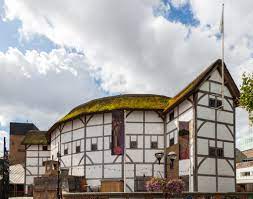
Shakespeare's Globe - Wikipedia
The New Globe
  • Actors, not producers or directors, controlled the play.
  • Scenery and props were minimal. Shakespeare described the setting through his words. Lines such as, “Soft, what light through yonder window breaks” let the audience know where they were and what time of day it was.
  • Women were forbidden to be on the stage. Young adolescent boys played the roles of girls, while older men painted their faces and spoke with a falsetto to play women.
  • Actors learned their parts in about a week. A lead actor might have to learn about 800 lines a day. Over a three year period a lead actor could have learned enough lines to play over seventy roles.
New Globe Theatre | Globe theater, London tours, London
The Globe Inside
  • Elizabethans were a tough crowd. They demanded fresh and new. In a six-month season a single company might give 150 performances of 30 different plays. Some plays lasted one performance, while others had a long run of six months.
  • Playhouses were sponsored by a patron, a nobleman, who willingly lent their names and financial support to the their acting troupe. Shakespeare’s company managed to become the premier company of London by becoming the King’s men, by way of James I.
  • No royalty payments for Shakespeare, since he did not own the plays, as they belonged to the acting company. Shakespeare was part owner of the Globe and shared in the box office. He made enough money to retire well in Stratford-Upon-Avon in 1610.
  • The Globe burnt down in 1613 during the first night performance of Henry VIII when the prop cannon exploded. No lives lost, just some burnt breeches.
  • With some Puritan pressure the Parliament shut down the theatres in 1642.
  • However, in 1997 the New Globe opened and Shakespeare’s plays have happily been available to everyone to view without pressure of being closed down from special interest groups.
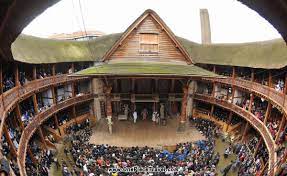
A Shakespearian Theatre and the new Globe

Friday Film Finds:


At the end of the week I’m ready to kick back with a bowl of popcorn with a remote in hand.

As much as I need to read, there are times when settling back to watch a movie is the ticket to totally unwinding from the week’s stress.

I have discovered I have lost my interest in films that are steeped in human dramas—maybe it’s because I’m living my own. Big, raucous CGI flicks, like the Marvel world offers, are okay for mindless escapism. What I discovered that engages my interest most are nature documentaries. I subscribe to PBS mainly for their Nature program.

Our library carries an impressive array of DVD and Blu-Ray offerings, especially in nature shows. Browsing the stacks one day I discovered an amazing series:

A definite WOW!

From the library catalog description:

Narrated by David Tennant, this exhilarating adventure was filmed over four years and forty countries with help from camera-carrying birds, drones, paragliders and remote-countrol microflight planes. This wondrous aerial spectacle will make your spirits soar!

It is indeed exhilarating to be so up close to birds in flight and to witness behaviors not easily accessible by humans. The dedication and ingenuity of the film crew is certainly impressive.

As a Whovian, it was an added bonus listening to David Tennant’s Scottish-infused narration. I half expected the Tardis to be spied among the migrating flocks of geese.

Film Faves:

  • Extras: the behind the scenes of how the series was filmed
  • the gathering of the flamingos, acres and acres of the delicate pink birds was visually stunning
  • murmurations—how starlings swarm and cavort in the sky
  • penguins-it’s hard to go wrong with penguins

I suppose there is some therapeutic aspect to watching the life and times of animals, especially birds. There is wonder and appreciation for the natural world. The joy and satisfaction of knowing there is so much beauty and marvel in the world that is available with a click of the remote is indeed a welcome balm after a long, long week.

What is your animal of choice to watch?

Word Nerds: Contronyms


I was quite chuffed, having received quite a positive response from my Kangaroo Words post.

And there it was—another strange lexiconical usage of a word. You see “chuffed” (British slang) can mean one is pleased or displeased. It becomes its own antonym. These words are known as “contronyms.”

Here’s a list to get a better idea:

bolt – to secure; to run away

cleave – separate, adhere

clip – fasten, detach

custom- usual, special

dust – add fine particles, remove fine particles

enjoin – prescribe, prohibit

fast – quick, unmoving

fix – restore, castrate

garnish – enhance (e.g., food), curtail (e.g., wages)

give out – produce, stop production

handicap – advantage, disadvantage

left – remaining, departed from

mean – average, excellent (e.g., “plays a mean game”)

out – visible (e.g., stars), invisible (e.g., lights)

put out – extinguish, generate (e.g., something putting out light)

quite – rather, completely

ravel – tangle, disentangle

sanction – approve, boycott

screen – show, hide

table – propose (in the United Kingdom), set aside (in the United States)

unbending – rigid, relaxing

weather – withstand, wear away

Talk about shades of ambiguity! Then again it keeps people on their toes to pay closer attention to the context to better understand the content.

March: National Reading Month


Oh my. Not just the one day celebration for book lovers. An entire month dedicated to reading.
I’m in.
How to celebrate this wondramazing celebration?

Hmm…

How about a book recommendation for each day of the month?
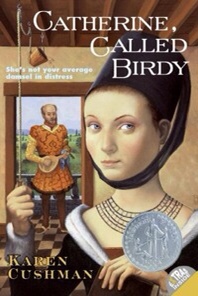
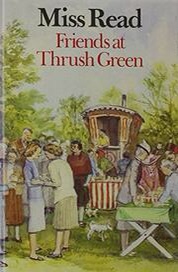
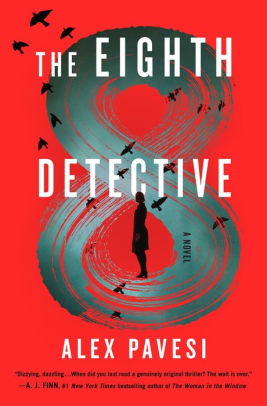
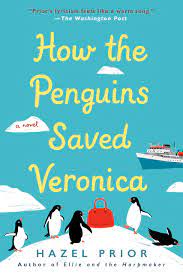
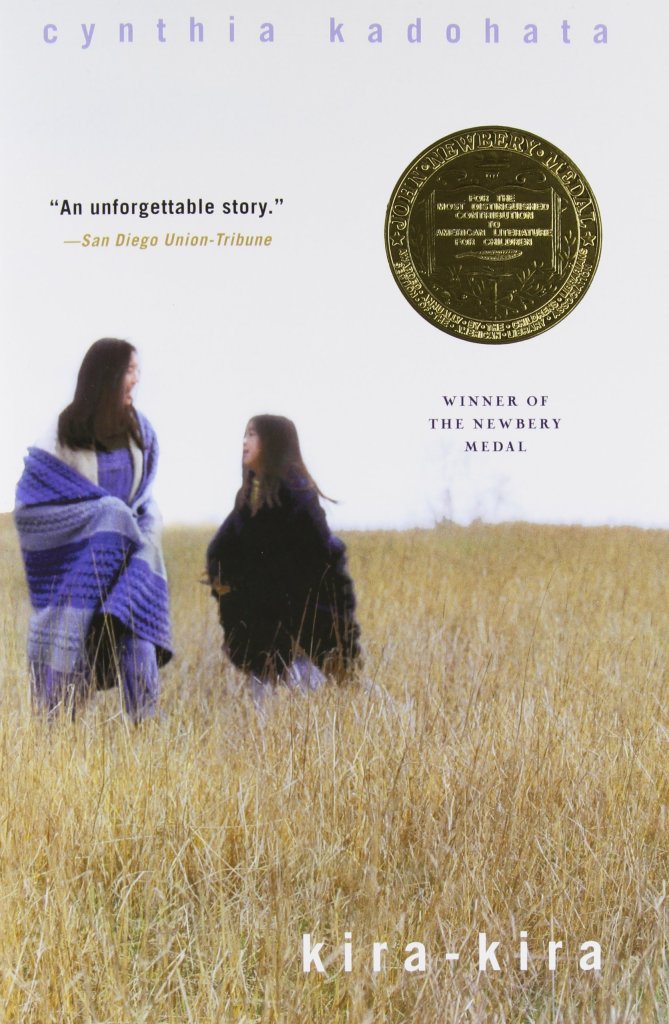
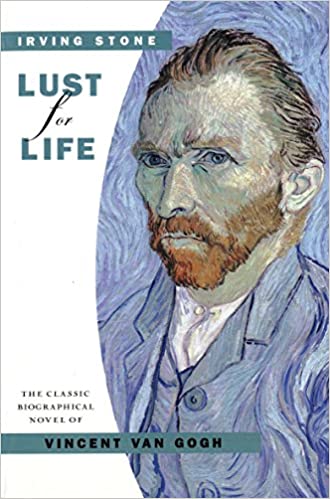
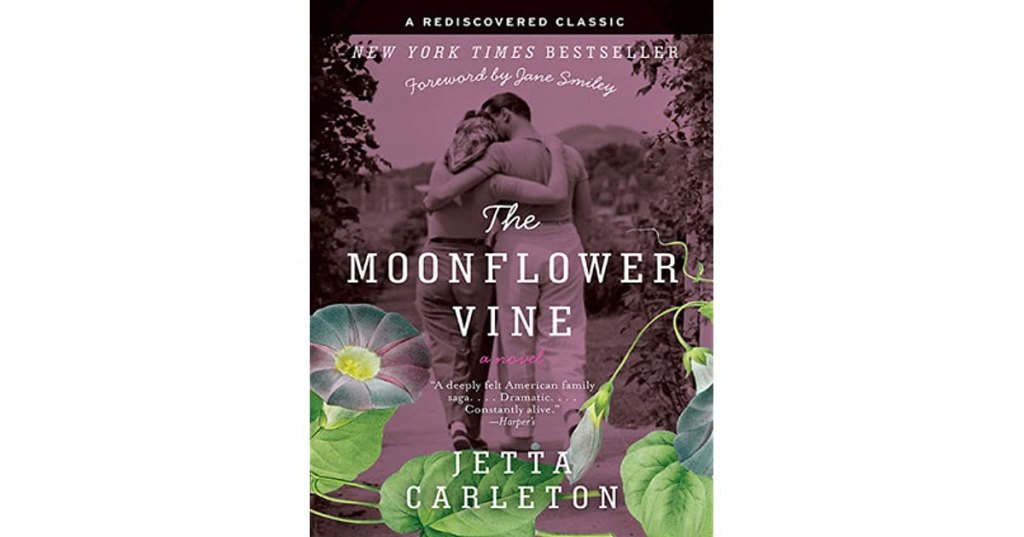
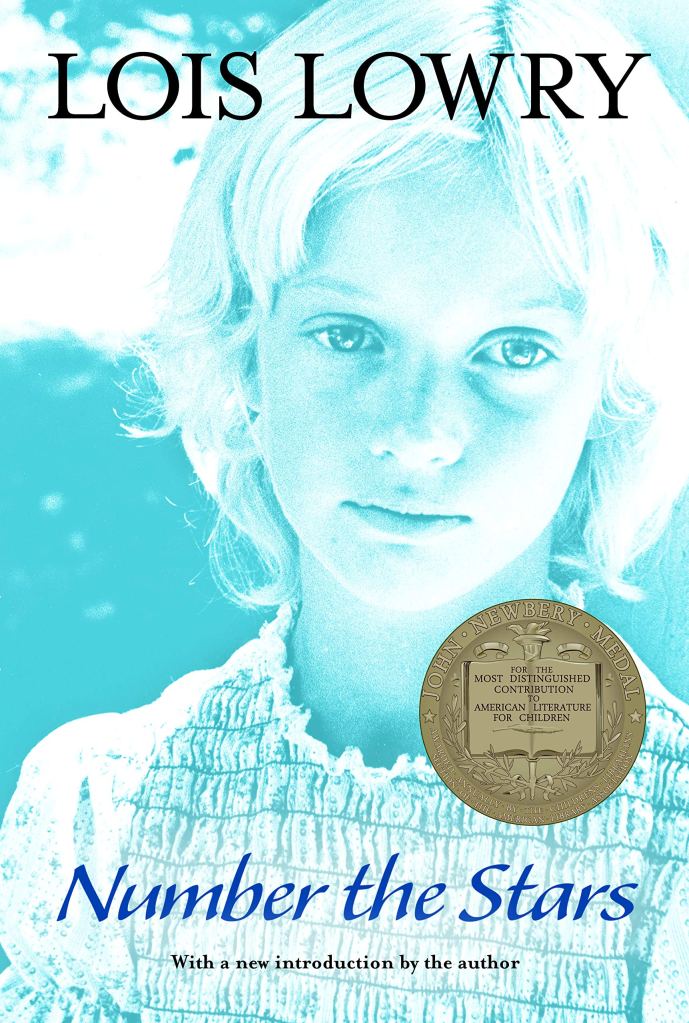
From A to Z, I hope you will find a book to read:

Any title grab your eye? Tickle your interest? Call to your favorite bookmark?

Happy Reading!

Post Navigation