Pam Webb

a writer's journey as a reader

Archive for the tag “wordplay”

Bard Bits: How Insulting


Shakespeare is an unrefuted wordsmith. He knew how to pen a phrase with a lexiconical fragrance we still admire centuries later such as Romeo’s eloquent description of Juliet: “O, she doth teach the torches to burn bright.”

Shakespeare could also have his characters sling some stinging verbal mud as in The Comedy of Errors: “The tartness of his face sours ripe grapes.”

While insults aren’t something we should be dwelling on in our present societal focus on mindfulness, Shakespearean insults are more of a study of impactful imagery. There is also a plus of them being quite funny.

Creating a Shakespearean insult involves knowing the terms. Here are a few, some known and others relevant to only Elizabethans.

Ape(n) – 1. Imitator 2. Fool 3. Term of endearment

Beetle-headed(adj) – Thick-headed, doltish

Bootless(adv) – Fruitlessly, uselessly, unsuccessfully, in vain; (adj) fruitless, useless, worthless

Churlish(adj) – 1. Rude, blunt, ungracious 2. Violent, rough, harsh 3. Stiff, hard, unyielding

Candle-Waster(n) – Student, who sits late over his books

Dankish(adj) – Dank, damp, humid

Errant(adj) – Wandering, straying, erring

Fat-kidneyed(adj) – Gross and lubberly

Fustilarian(n) – Smelly old woman

Gorbellied(adj) – Pot-bellied, fat-paunched

Harpy(n) – Half woman/ half vulture

InfectiousTo infect (v) affect, influence, stir

Jolthead(n) – Blockhead, dolt, numbskull

Logger-head (adj) – Thick-headed, stupid, doltish

Month’s Mind(n) – Inclination, liking

Motley -minded(adj) – foolish

Nut-hook(n) – Constable, officer (a hook for pulling down nuts, hence a thief

Onion-eyed(adj) – Eyes filled with tears

Pribble(vb) – Vain chatter and silly quarreling

Rump-fed(adj) – Pampered

Scut – (n) Short tail (as of a deer)

Tottering(adj) – 1. Wavering, vacillating, fluctuating 2. Tattered, ragged, frayed

Varlet(n) – Knave, rogue, rascal

Wag(n) – Mischievous boy

Some of these surely grabbed your attention.

To assemble your insult find a noun and then a couple of adjectives that do it justice, and then begin with “You,” which depending on if it’s the 15th, 16th, or 17th century, is either a formal or informal address:

How about:

You rump-fed, gor-bellied wag!

This might be directed to a youth caught hogging the buffet at family gathering. Or, at a young man showing rude manners. Either way it’s a definite call out by an older person to a younger one.

If you are in need of inspiration I suggest referring to an automatic Shakespearean Insult Generator.

May this post prompt your tongue to choose words other than the usual curses, especially when driving. These also might be handy since it is an election year.

For more droll insults go to: www.classicfm.com

Bard Bits: Playing with Propaganda


Today’s playwright might fear a bad review if a play doesn’t meet the critic’s choice, but if Shakespeare blew a play he faced a fearsome critic: The Queen, QEI, and then later a king, James I. A monarch for a main critic could involve more than a “We are not amused” commentary (okay, that was Victoria, not Elizabeth). It could have involved being hanged, drawn, and quartered. A bad review takes on new meaning, in that regard.

Photo by Katarzyna Modrzejewska on Pexels.com
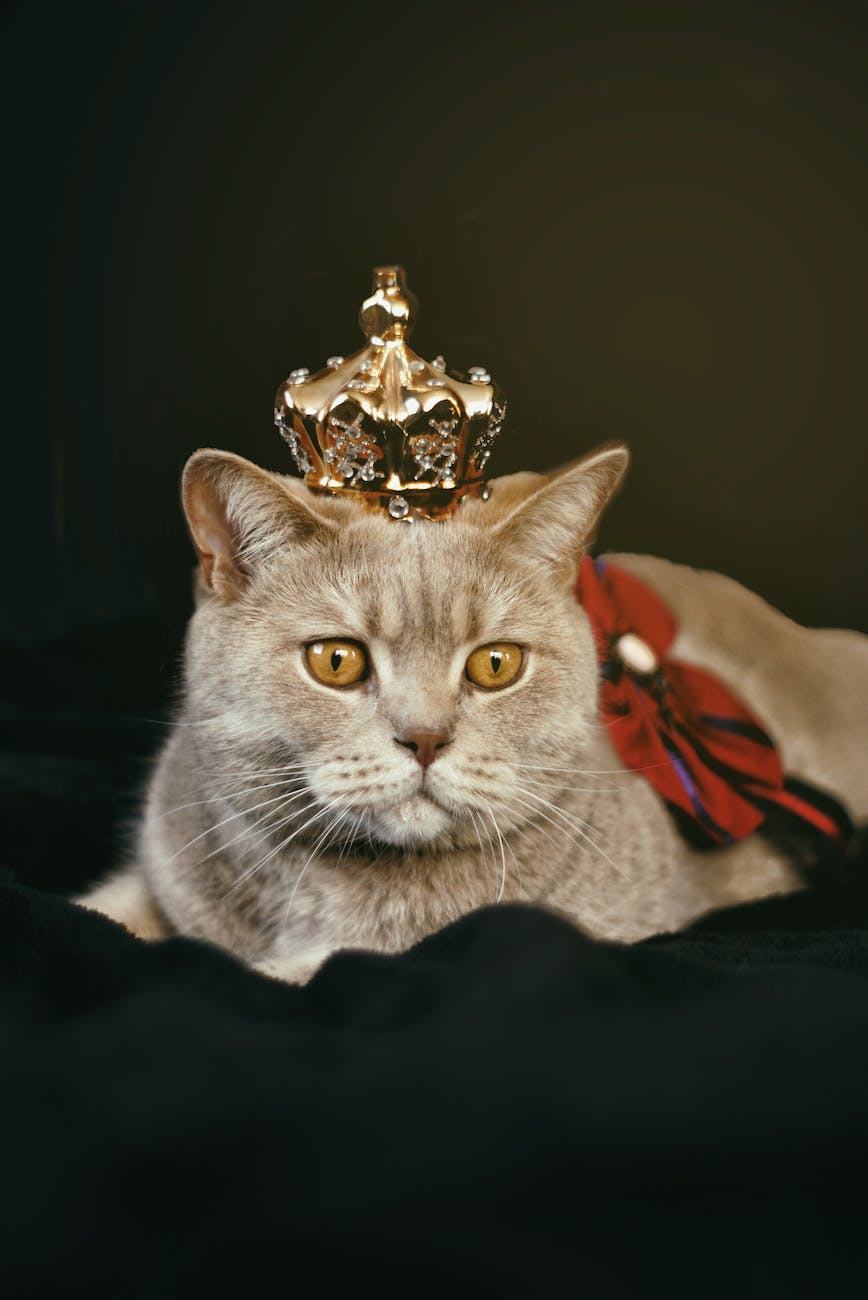
Plays were the cat’s meow in the 1600s

The Master of Revels, as jolly as a title as that sounds, was a fearsome critic. His duties included scrutinizing all plays for possible slander against the royalty. He had the power to remove any possible line that hinted trouble. In fact, the monarchy was to be presented in the best possible manner. That might explain why QEI’s father, King Henry VIII, a rather notorious fellow, is presented more decently than not in the Henry plays by Shakespeare. The man not only knew how his bread was buttered, Shakespeare was consciously aware of the knife in the butter dish.

Photo by Gilles DETOT on Pexels.com
No one, not even the Bard, could knock Henry off his horse

Shakespeare took advantage of how the 1600s was moving from Latin being the language of literature to that of English. His puns, sonnets, banter, and general wordplay, which gave double meanings to many of his words, helped establish England’s identity as a country whose people could have a bit of fun with the language and keep a straight face–something seen throughout the ages with the likes of Monty Python and long lasting shows such as Dr. Who.

Shakespeare followed the dictates of his monarchs and his country’s tastes, which is why his plays have disparaging lines about foreign aspects, particularly concerning the French. While snide lines might have been popular in his time, they tend to ruffle and offend as time moves on.

Playing with words amounted to Shakespeare fashioning some propaganda to suit the need. Shakespeare not only moved words around to move the audience, he moved his nation to be one established as possessing wit and a respecter of language, although in his heyday he tended to play with propaganda.

So, a question pops up: is Shakespeare still “…not of an age, but for all time,” as Ben Jonson once said? With more emphasis on cultural, social, and political awareness, are some of Shakespeare’s plays, and even sonnets, facing censure?

Are his plays to be taken with a grain of salt as a reflection of his period or just plain taken off the reading list?

Post Navigation