Pam Webb

a writer's journey as a reader

Archive for the tag “autumn”

Bard Bits: See You Later Summer


When the Montana Shakespeare Troupe arrives in August to our fair town, it is a generally accepted acknowledgement that summer is on the wane. Pleasant weather still lingers, although it is a bit chill in the early morn and evening. There remains the essence of summer.

And then the calendar chimes out its equinoxal announcement that summer is past and autumn is now upon us. I’m not quite ready to bring in the patio furniture yet.

Shakespeare eloquently presents a metaphorical passing of one’s age in his often quoted Sonnet 73:

That time of year thou mayst in me behold

When yellow leaves, or none, or few, do hang

Upon those boughs which shake against the cold,

Bare ruin’d choirs, where late the sweet birds sang.

In me thou see’st the twilight of such day

As after sunset fadeth in the west,

Which by and by black night doth take away,

Death’s second self, that seals up all in rest.

In me thou see’st the glowing of such fire

That on the ashes of his youth doth lie,

As the death-bed whereon it must expire,

Consum’d with that which it was nourish’d by.

This thou perceiv’st, which makes thy love more strong,

To love that well which thou must leave ere long.

Back when in my AP teaching days, this was a poem we studied for its rich imagery and underlying message of mortality. However, bypassing an analysis (I hear that sigh of relief), I do want to focus on the last two the lines, the ending couplet.
In the previous lines the speaker has expressed his concern how he is aging to his lover (maybe even a child–oops, that’s analysis) and in the ending couplet we see the volta, or turn, that indicates a change of mood. Here the speaker interposes the thought that though he might be aging in his own eyes, and in perhaps his lover’s eyes, it is this very state of aging that should initiate an even deeper love for the narrator.
In other words, though summer (his youthfulness) is diminishing and hints of winter are coming (touches of grey in hair), this season of in between, autumn, should be even more cherished as it is the in between time before winter is fully realized.

Yeah, what Shakespeare said.

I welcome spring, enjoy summer, and embrace fall. Fall or autumn still has the warmth of summer, yet it ushers in harvest and nature’s graceful transition into a foliage showcase of beauty. Since retirement I am taking advantage of the gentle warmth of September afternoons. Previously (20 years worth) I wouldn’t get home until after the shadows filled my backyard and I would mourn having missed out on the sunshine having been inside a building all day (okay, mourn is a bit extreme, but I really disliked having to wait until the weekend to enjoy the fall sunshine).

Hoping you are appreciating the fall weather.

Word Nerds: Adding some seasonal nomenclature to the weather outside


Photo by Designecologist on Pexels.com

Although the temperature read 80 degrees the other day my trees are shedding their leaves like a toddler peeling her clothes off in order to be unfettered and free. It’s fall. That time of year when we pull on a sweater leaving the house and pull it off by midafternoon. The nights are cooler, the days are warmish. The weather is fickle. September remains my favorite seasonal month for all those reasons–it’s an unexpected month.

But is it Fall or is it fall? A quick trip to Dictionary.com is needed.

When applied as a title or is being personified, like in the poem below seasonal words are capitalized, otherwise use lower case.

Autumn Thoughts
by John Greenleaf Whittier

Gone hath the Spring, with all its flowers,
And gone the Summer’s pomp and show,
And Autumn, in his leafless bowers,
Is waiting for the Winter’s snow.

I said to Earth, so cold and gray,
‘An emblem of myself thou art.’
‘Not so,’ the Earth did seem to say,
‘For Spring shall warm my frozen heart.’
I soothe my wintry sleep with dreams
Of warmer sun and softer rain,
And wait to hear the sound of streams
And songs of merry birds again….

Wait, Mr. Whittier used Autumn instead of Fall. Is there a difference? Actually the terms are interchangeable; however, there are slight nuances.

The word “autumn” is French, being derived from autompne and is traced back to the late 1300s. Chaucer and Shakespeare applied the word in their works. Brits tend to use “autumn” while Americans refer to “fall” which came into use around the 1800s.

Fall being the third season is recorded in use in the 1500s, with thoughts that it referred to “leaf fall,” which makes sense since leaves are falling right and left come September. In some cases “fall” is more useful than “autumn.” For instance, “Spring forward, autumn back,” just doesn’t have the same mnemonic ring.

I tend to say “fall” as “autumn” is much more serious sounding and I think more of how November leads into winter rather than September’s stretch of sunny days. Although I can see why Miss Emily D. chose “Autumn” for her poem instead of “Fall.”

Enjoy those crisp mornings, warmish afternoons, and chilly nights whether you “fall” into the season or apply “autumn” to your wordscape.

Autumn

by Emily Dickinson

The morns are meeker than they were,
The nuts are getting brown;
The berry’s cheek is plumper,
The rose is out of town.

The maple wears a gayer scarf,
The field a scarlet gown.
Lest I should be old-fashioned,
I’ll put a trinket on.

It’s the Great Pumpkin


While not a fan of Halloween, I am a fan of pumpkin. While not a fan how pumpkin spice seems to rule the season, I am a fan of guinea pigs. So here is a share that should please those who love pumpkin spice and adore guinea pigs. Let’s see how long it takes for Mike Allegra to say he inspired this post.

Everything goes better with guinea pigs

Reading Round Up: October


There is an unmitigated pleasure about fall sneak reading whilst propped in a backyard hammock. Bundling up against the wisp of autumnal breeze as it tries to nip at exposed flanks, the remaining warmth of the retiring sun definitely adds to the pleasure of a good read.

October marks the acknowledgment that summer reading as ended. By the time I get home from work the backyard is surrendering to shadows and I drag my hammock around on its reluctant stand trying to find patches of sun, reminiscent of a desperate sunflower. The lure of reading outdoors is different to suppress.

Here are October’s picks:

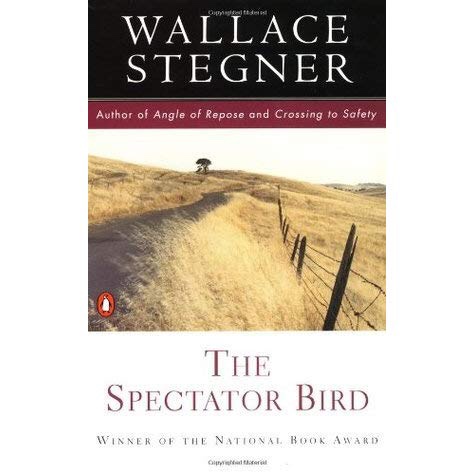
The Spectator Bird by Wallace Stegner
⭐️ ⭐️ ⭐️ ⭐️ ⭐️

It comes as a surprise I had not heard of Wallace Stegner until recently. I’m a bit embarrassed by that actually, especially when he is both a Pulitzer Prize and National Book Award winner.

So glad I made the effort. But my first book encounter ended up with three pages in and a return to the book bag.

Spectator Bird remained on my list and while waiting for it to arrive I read All the Live Little Things, the companion novel, which turned well since it helped to understand the back story referenced. Quite the drama, and The Spectator Bird makes all the more sense having read about Joe’s dilemmas with becoming older and living with regrets he can’t or won’t bury.

A definitive story on living the present based on the past.

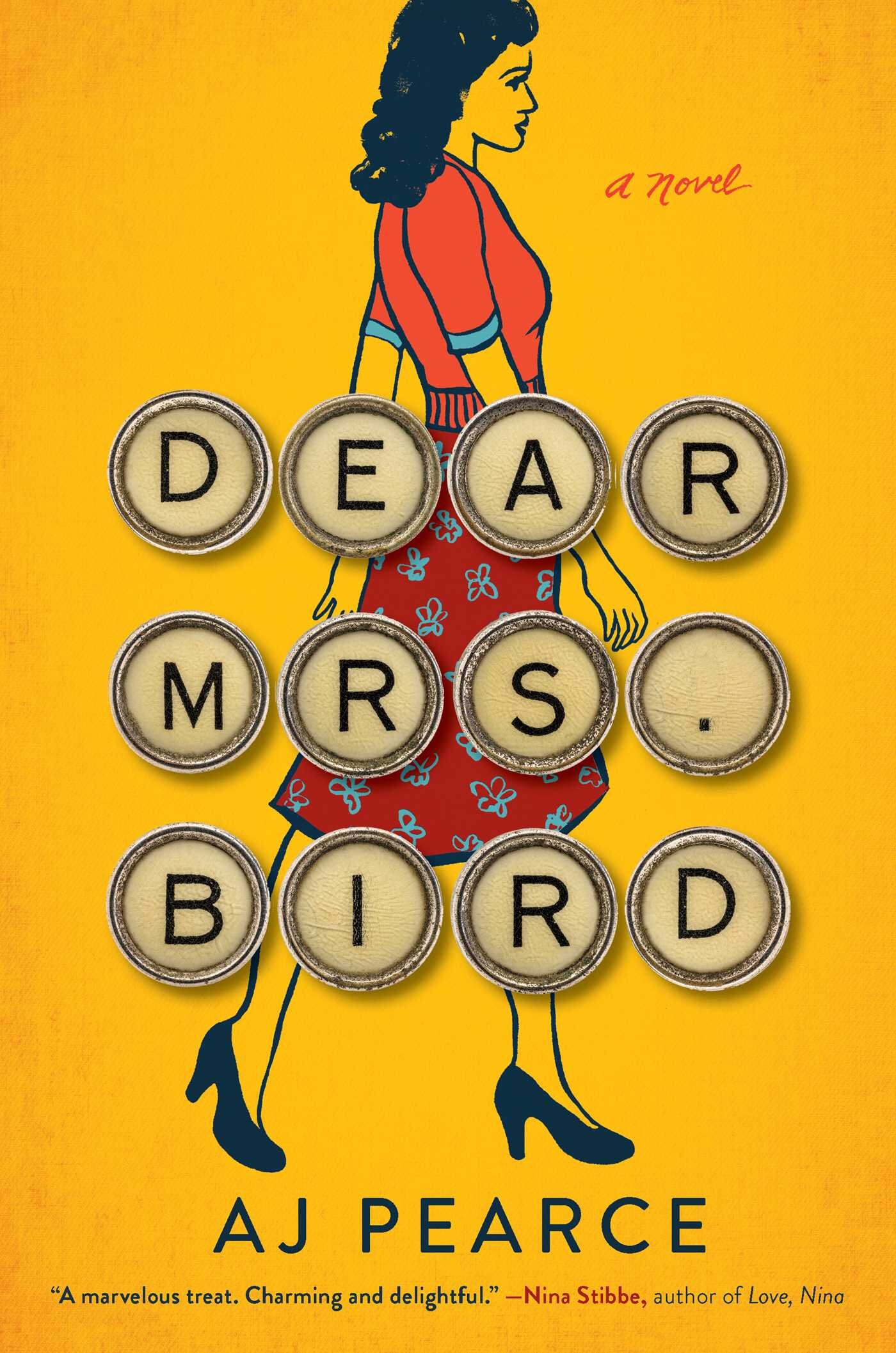
Dear Mrs. Bird by A.J. Pearce
⭐️ ⭐️ ⭐️ ⭐️ ⭐️

Wonderful. Delightful. A novel that I found myself sneaking moments to read while trying to work. Dear Mrs. Bird is wartime drama that has provides lighter moments, providing a terrific balance of humor and stunning realism. WWII novels are thick upon the shelves, yet this debut novel is a stunner in how the details create a sense of being in the moment. Emmy and Bunty need a series, and it’s hoped this is a start.

Earth Abides by George R. Stewart

⭐️ ⭐️ ⭐️ ⭐️ ⭐️

Recommendations from librarians rarely fail. Knowing I appreciated dystopian genres one of local librarians suggested I find Earth Abides. No easy task. Even with its solid reviews and reputation, I could not land an ILL and ended up reading a free e-book that sorely tried my appreciation of Stewart’s novel due to the numerous transference typos.

Similar to the Omega Man, a pandemic dramatically eradicates the world’s population and one man emerges who will make a difference. This man is Ish. He becomes what he refers to as the last American.

An excellent story, made all the more interesting since the technology is centered on what is available in 1949, the publish date.

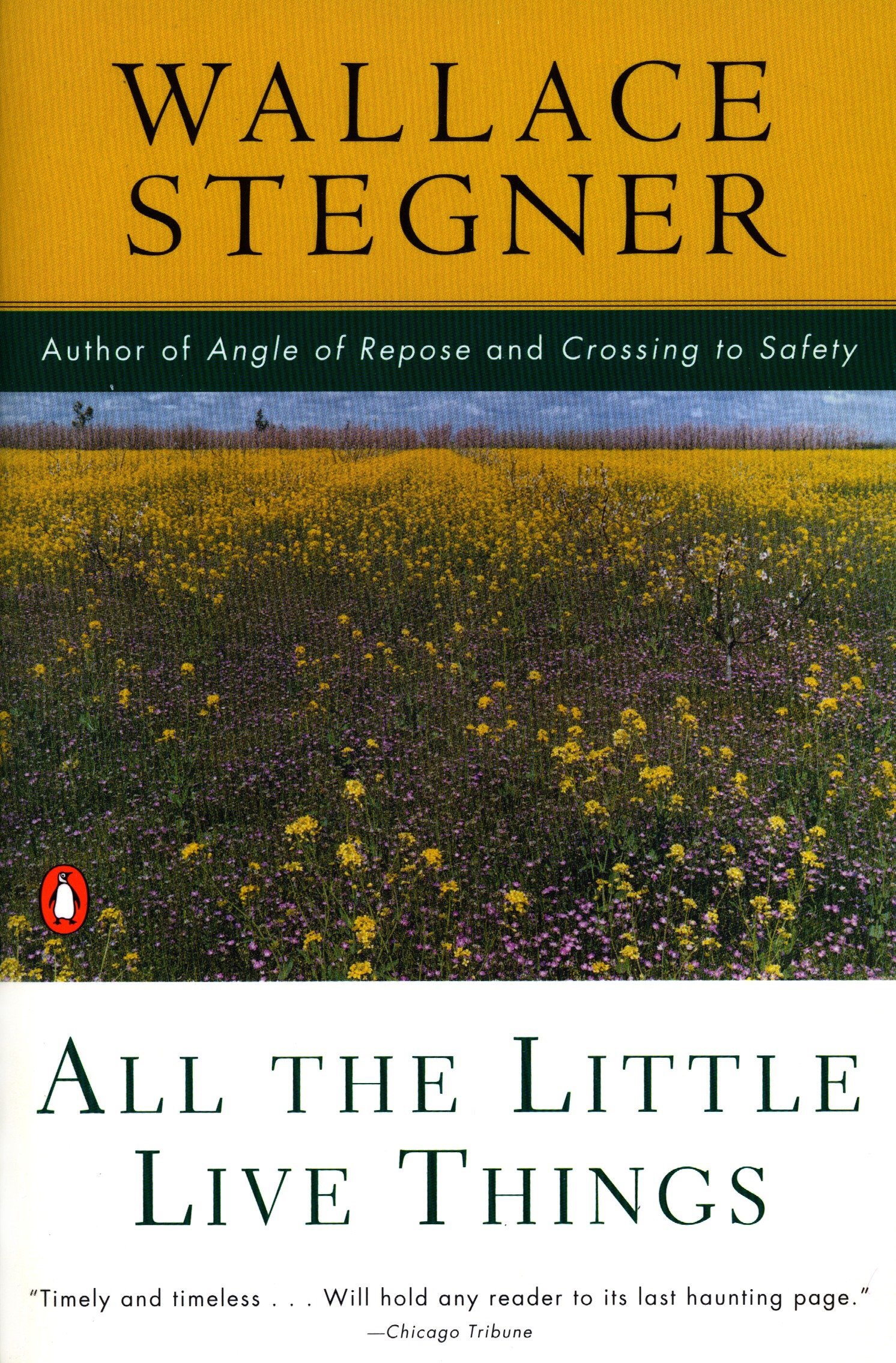
All the Live Little Things by Wallace Stegner
⭐️ ⭐️ ⭐️ ⭐️

Written during the pulsing sixties, Stegner writes of the various ideals that existed together with deft, insightful prose: older establishment meets with hippie youth who mingles with alternative, creative lifestyle who befriends optimistic outlook. It all makes for a memorable, even compelling dramatic story. Joe, a gruff, outspoken literary agent and his forebearing wife, Ruth, escape the hectic city and retire in the placid hills of California. Their peace is shattered by a interloper Peck who becomes the serpent in their garden, as he interacts with each of Joe’s neighbors and touches each of their lives in irrevocable ways.

Stegner’s prose is impressive. Not only does he relate a complicated story, he evokes such smooth passages of imagery that one cannot rush through the story without pausing to savor his craft.

“For a long time that evening we sat on the terrace, while the swallows and later the bats sewed the darkening air together over the oaks…” p. 226

Lovely.

The story tended to switch forward and back in time sequence as Joe related events, which created a somewhat uneven flow of continuity, yet it might have emulated how Joe’s mind switched from present to past as he attempted to reconcile events.

The Extraordinary Education of Nicholas Benedict by Trenton Stewart

⭐️ ⭐️ ⭐️ ⭐️

This prequel to the Mysterious Benedict Society answers much about the mysterious Mr. Benedict met in the first book of the popular series. While less engaging than the first book, due to a rather boggy middle, the ending once again shows the cleverness of Trenton Lee Stewart.

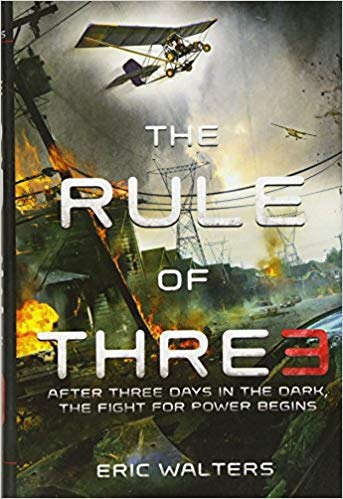
The Rule of Three by Eric Walters
⭐️ ⭐️ ⭐️ ⭐️

The world ends with a whimper, isn’t that what T. S. Eliot suggested? In Eric Walters novel, the first of a series, he explores how this present world might end once computers and other technology shuts off. Adam and his family, along with his neighborhood cope with the aftermath of what appears to be a global EMP strike. A bit bogged down in details, yet this supposition of how people would reaction in such a crisis situation creates an engaging read.

Smile by Raina Telegemeier

⭐️ ⭐️ ⭐️ ⭐️

This book was recommended to me by a young patron while I was shelving books at the local library. His enthusiasm and assurance that it was a “very good book” intrigued me enough to check it out.

A memoir of the author who suffered a traumatic ordeal with her teeth as a teen, in the format of a graphic novel, turned out surprisingly better that I anticipated.

My short tour with braces was nothing compared with her procedure! I think tweens going through all the drama of middle school will appreciate Smile as it explores so many other issues besides getting braces.

Mark of the Raven by Morgan L. Busse

⭐️ ⭐️ ⭐️ ⭐️

“To much is given, much is required” is aptly applied to this fantasy story where the gifts bestowed upon individuals can provide both life and death to others. Two recipients of these gifts, Selene, who can enter people’s dreams, and Damien, who is able to manipulate water, must determine how their gifts will best benefit the people of their land while they struggle to combat the threat of dark alliances that threaten the overall peace.

Engaging and fast-paced, with an intriguing allegorical theme of choosing darkness or the light, Morgan Busse’s The Ravenwood Saga promises readers a series to anticipate following.

This book was provided by the publisher, and all commentary is mine.

POM: NOVEMBER


Ah, tis November. As much as I like that this month gets me a wee bit closer to the end of the year, which gets me that much closer to the end of first semester, which ushers in second semester, which provides a not-as-distant glimpse of June and summer release, I do like October and I am reluctant to let it totally fade away.

I like its blend of summery days of warmth and crisp evening. I appreciate the last hurrah of garden color mixed with swirling leaves. And I favor the bounteous moons that hover like bloated Chinese lanterns on the night’s horizon.

So, here is an October poem for November. How could I resist “spicy woods”? Yet, Amy Lowell does set the tone well for the Thanksgiving month with her “Hoar-Frost” offering:

In the cloud-grey mornings

I heard the herons flying;

And when I came into my garden,

My silken outer-garment

Trailed over withered leaves.

A dried leaf crumbles at a touch,

But I have seen many Autumns

With herons blowing like smoke

Across the sky.


October

Helen Hunt Jackson
Bending above the spicy woods which blaze,
Arch skies so blue they flash, and hold the sun
Immeasurably far; the waters run
Too slow, so freighted are the river-ways
With gold of elms and birches from the maze
Of forests. Chestnuts, clicking one by one,
Escape from satin burs; her fringes done,
The gentian spreads them out in sunny days,
And, like late revelers at dawn, the chance
Of one sweet, mad, last hour, all things assail,
And conquering, flush and spin; while, to enhance
The spell, by sunset door, wrapped in a veil
Of red and purple mists, the summer, pale,
Steals back alone for one more song and dance.

POM:October–Singing in the Fall, I’m Singing in the Fall


Due to the roasty, toasty temps we experienced this year, I’m becoming more of an autumn fan than a summer lover, my allegiance to fall begins to wane when the leaves start swirling down. While I don’t actually loathe raking and burning the farewell of summer, I do detest how the days are darker–both in the morning and in the evening. I do adore my Happy Lights. One in the bedroom and one in the kitchen. I’m about to trot to Costco to purchase another for my office.

Being the type of person who prefers solutions to problems, I appreciated this poem find. Instead of fretting about the impending gloom, I shall whistle instead.

Whistling in the dark, with a poem in my heart image: morguefile.com/morethanordinary

The Gift to Sing
by James Weldon Johnson, 18711928

Sometimes the mist overhangs my path,
And blackening clouds about me cling;
But, oh, I have a magic way
To turn the gloom to cheerful day—
      I softly sing.

And if the way grows darker still,
Shadowed by Sorrow’s somber wing,
With glad defiance in my throat,
I pierce the darkness with a note,
       And sing, and sing.

I brood not over the broken past,
Nor dread whatever time may bring;
No nights are dark, no days are long,
While in my heart there swells a song,
       And I can sing.

NPM: #6–of Hardy’s leaves


Where They Lived

Thomas Hardy, 1840 – 1928

Dishevelled leaves creep down
       Upon that bank to-day,
Some green, some yellow, and some pale brown;
       The wet bents bob and sway;
The once warm slippery turf is sodden
        Where we laughingly sat or lay.

The summerhouse is gone,
        Leaving a weedy space;
The bushes that veiled it once have grown.
        Gaunt trees that interlace,
Through whose lank limbs I see too clearly
         The nakedness of the place.

And where were hills of blue,
Blind drifts of vapour blow,
And the names of former dwellers few,
If any, people know,
And instead of a voice that called, “Come in, Dears,”
Time calls, “Pass below!”

As I get older, I realize autumn is replacing my favorite season of summer. The warmth is still there, the greens fading into muted colors–there is a peace, a tranquility to fall versus the frantic heat and activity summer requires. I think Hardy realized this as well.

image: RevWarheart/Morguefile

Post Navigation