Lite vs Literary
It’s often my dilemma when I’m shopping at my local library for my weekly rations of reading material: do I go lite or go literary?
Almost sounds like choosing cheesecake, doesn’t it? Go for less calories and sacrifice taste? It does apply to reading.
Before I offend too many people (hoping I haven’t offended anyone yet by saying your reading material choice is tasteless), let’s define literary merit. This is from a 2010 article by College Board’s Advanced Placement folk, the same people who run all those smartypants AP classes that students take and hope to learn enough to do well when they take those really tough and excruciating exams in May:
The Definition of Literary Merit in work of literature:
- Entertains the reader and is interesting to read.
- Does not merely conform to the expectations of a single genre or formula.
- Has been judged to have artistic quality by the literary community (teachers, students, librarians, critics, other writers, the reading public).
- Has stood the test of time in some way, regardless of the date of publication.
- Shows thematic depth: themes merit revisiting and study because they are complex and nuanced.
- Demonstrates innovation in style, voice, structure, characterization, plot and/or description.
- May have a social, political or ideological impact on society during the lifetime of the author or a erward.
- Does not fall into the traps of “pulp” ction such as clichéd or derivative descriptions and plot devices, or sentimentality rather than “earned” emotion.
- Is intended by the author to communicate in an artistic manner.
- Is universal in its appeal (i.e., the themes and insights are not only accessible to one culture or time period.
My students tend to get in a snit when we start discussing novels appropriate for in-depth study which they can refer to on the May exam. Inevitably Harry Potter comes up. I’m certainly not passing judgement on the popular wizard-boy–I just hold the book up against the list. The snitting does not quell. Potter fans do not easily diminish their devotion. I always leave the decision up to them. After all, the exam is three hours and nearly a hundred dollars, if Harry means that much to them, they can exercise their option. Personally, if going for risky entries I would choose Bradbury’s F451.
Back to my off duty reading choices.
As an AP literature teacher, I try to practice what I teach. After a long and fulfilling week of extolling Hamlet to my students, I’m ready to unwind with a plot of my own selection. I have a long list of meritable titles I want and need to read, yet I’m sidetracked by titles that require minimal effort since the plot is as thin as the page it’s printed on. It’s rather nice not having to struggle through ponderous diction, and nuances of layered theme. Coasting and flipping. Much like reaching for that cheese danish when I should sit down to a salad.
I end up with a compromise. For every book that meets most of the Lit Mer test, I drop in a mystery or a Chick Lit, or a dystopian YA. Or even a Kid Lit because I have yet to fully embrace grown up reads as being my only option.
And I hope my students don’t surprise me in the checkout line. Then again maybe I would earn cool teacher points when they realize that reading is the ability of flexible options. That is nothing to be embarrassed about.
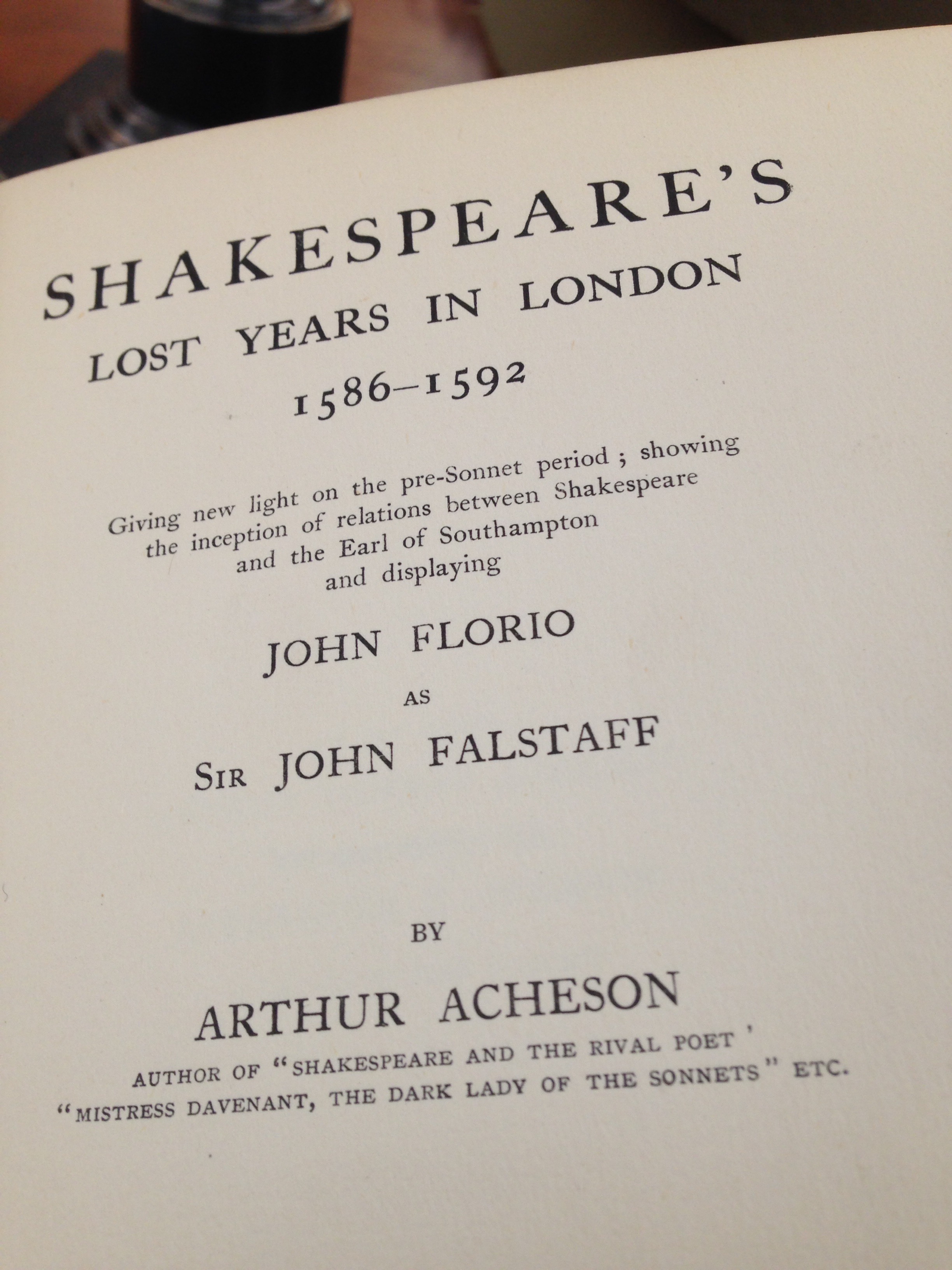
Shakespeare does manage to find a way into my reading–be it historical or a plot where Ophelia finds herself a happy ending with Horatio.