I’m wondering how Robert Frost would react to these signs lately posted in my neighborhood:
First hint of decision making
Yet another hint for a serious response
Seriously, reconsider this particular road, dude
Yes, this means you
The county has had this road closed since June. Unfortunately it is a popular route to reach the local mountain where there is biking, hiking, eating, and other activities during the summer. It’s a popular tourist, and local, hot spot. People want to get there via the road most traveled. The road less traveled, sorry Robert, is causing some perplexed responses. BTW: There are two other alternative routes so a detour is not a big inconvenience.
However–
Even with all these signs that the times have changed people still drive up to the barricade as if concrete barricades don’t apply to them. Actually, cyclists, those pedaling and those zooming, have made that determination.
After nearly two months of watching people navigate this road of fair impossibility (refer to cyclist note) I have decided there are three categories of drivers:
Illiterate: obviously they can’t read and ignoring these signs serves as both a metaphorical and literal ignorance.
Determined: these are the ones that you watch on the Instagram clips, the driver you drives through the cascading, overflowing waters across the roadway because the desire to get to their destination overcomes common sense.
Entitled: as in the sign can’t possibly apply to them, so impervious ignorance sets the pace and I can’t help but snicker when they drive clear up to the barricade (which is clearly seen at the entrance of the road) sit there puzzled before making a U-turn and follow the detour sign.
Robert Frost’s poem may have spoken of the road less traveled, but I would reckon he would adhere to a detour if it deemed the better route. Then again, maybe he would have zipped through on his Harley, given the opportunity.
Poets are known to be wild when it comes to veering off the beaten path
No, I’m not referring to January football action. Besides, I’m more of a soccer fan when it comes to fast action with people running around on a field with a ball.
This touchdown refers to being home once again after two plus weeks in Okinawa. Like what Dorothy said: “There’s no place like home.”

image: ABC News extra: I saw a pair of these at the Smithsonian in Washington DC–there is a definite “ooh” factor
Granted, there were memorable highlights from my trip, the main one being my daughter-in-law’s doula and welcoming my grandson into the world. I even cut the umbilical cord.
Other highlights:
The ocean views. Being on an island means the ocean is a prominent part of the scenery. Having grown up in Seattle, and lived along Northern California’s coast, I am a fan of ocean views. What is especially thrilling is watching the sun rise out of the ocean because duhthe sun would naturally rise out of the east. I’m used to the sun sinking, not rising, in the ocean being from the western side of the world. The sun leisurely ascending out of its watery rest, slowly rising as mound of fluorescent pink, (much like an egg yolk that’s sunnyside up), traveling upwards into the sky to hide behind the screen of clouds is an unforgettable moment.
Besides scenery, food is noteworthy.
The guard dogs are friendlier than they look
Eating lunch Yaki style involved grilling our meat at our table and being served a variety of side dishes delivered by:
Robbie or Roberta, our robot server
Another time I snuck away after our breakfast at a Hawaiian cafe to quickly explore a nearby beach:
I could easily spend more time at this beach park
Another highlight is being aware of the noticeable differences in culture. For one, cars are incredibly smaller. My 2005 Honda Civic would be considered to be a large vehicle.
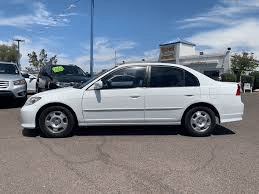
considered a compact by USA standards, my Honda is practically in the luxury model status in Okinawa
image: Wikipedia–small on the outside, yet surprisingly roomy on the inside
Cleanliness. Okinawa, Japan in general, is clean. Little, to no trash is evident, not because there is a surfeit of trash receptacles; it’s expected people deposit trash properly either at designated places like at the multitude of convenience stores or they take it home. Restrooms are clean and I am a definite fan of how the Japanese provide heated seats, with an option for waterfall sound effects.
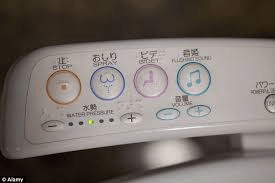
image: daily mail options, plenty of options
I also noticed an abundance of vending machines. They are found not only in front of stores, but in residential neighborhoods, even in unexpected places like seemingly abandoned lots:
Handy, I suppose…
I never saw anyone actually using these vending machines, causing me to wonder the viability of the goods.
Another cultural notable is clothing sizes. I needed to pick up a couple of warmer shirts and some leisure pants. My son took me to the local mall (that’s a post in itself) and I ended up buying extra large in size. I am a petite 5’3 and I felt hefty after trying on the available small.
Women’s Clothing Sizes: Japanese vs. Western
Japan
3
5
7
9
11
13
15
17
19
U.S.
0
0
2 – 4
4 – 6
8
10
12
14
16
U.K.
4
6
8
10
12
14
16
18
20
Italy
36
38
40
42
44
46
48
50
52
France
32
34
36
38
40
42
44
46
48
N. Europe
30
32
34
36
38
40
42
44
46
image: plaza homes (I should have consulted this article first
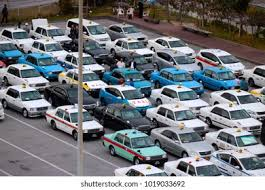
Cars are both tiny and in excellent condition. Unfortunately, Okinawa, for a small island, has a big vehicle problem. A combination of local commuters and military influence creates a snarl of traffic that turns what should be a 20 minute drive into 90 stop and go. Reminds me of Seattle’s 405.
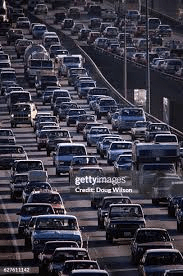
not much of a difference is there?–except for the car size
One other aspect that I couldn’t ignore is how businesses insert random American words into their store names. Perhaps that is supposed to project an international appeal. A neighborhood store advertised itself as “Rolling Stone.” What it sold was a mystery.
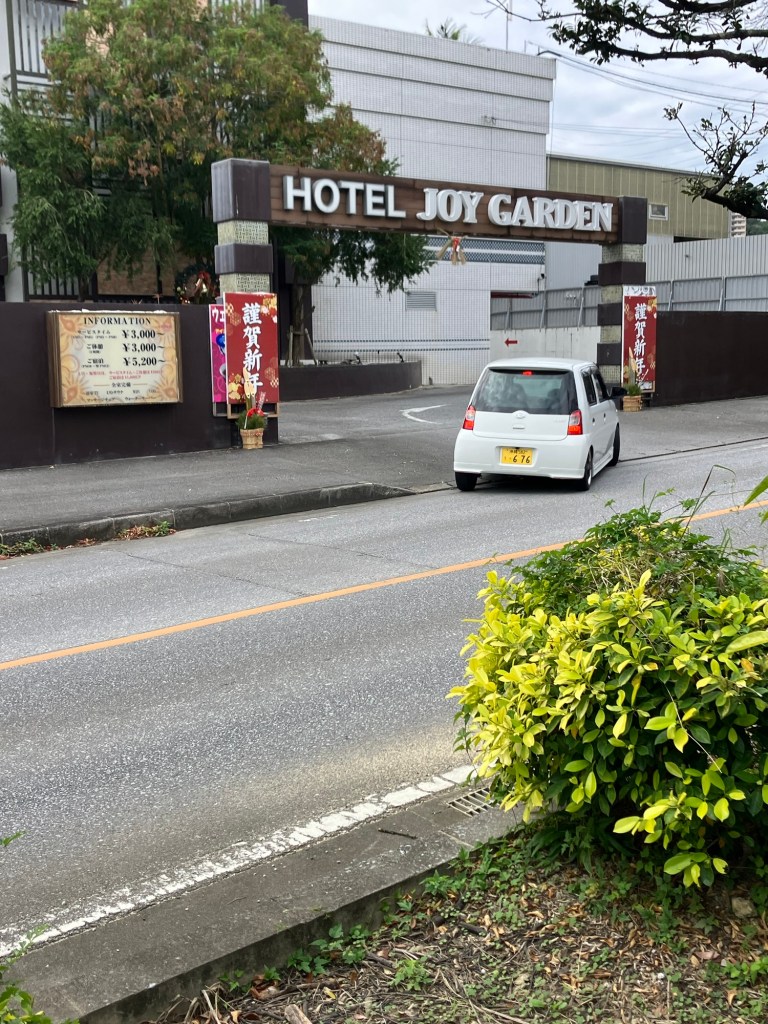
I also discovered, after my suspicions were confirmed by my son, that the several hotels clustered together around the bend were indeed as they sounded:
Not exactly subtle
Yes, it seems to do brisk business
It was explained to me that Japanese children usually live with their parents until they marry at around 25. To get some privacy couples will book a room at one of the numerous establishments by the hour or for a longer stay. Christmas in Japan is celebrated more as a romantic getaway time with couples booking stays at resorts enjoying the festive lights and decorations.
While I appreciate my time with my son and his family, and aspects of the Japanese culture, I am a product of the USA and I am glad to be home. However, I really do miss those heated seats, especially at 3 am. Inland Northwest nights are unforgiving in that regard.
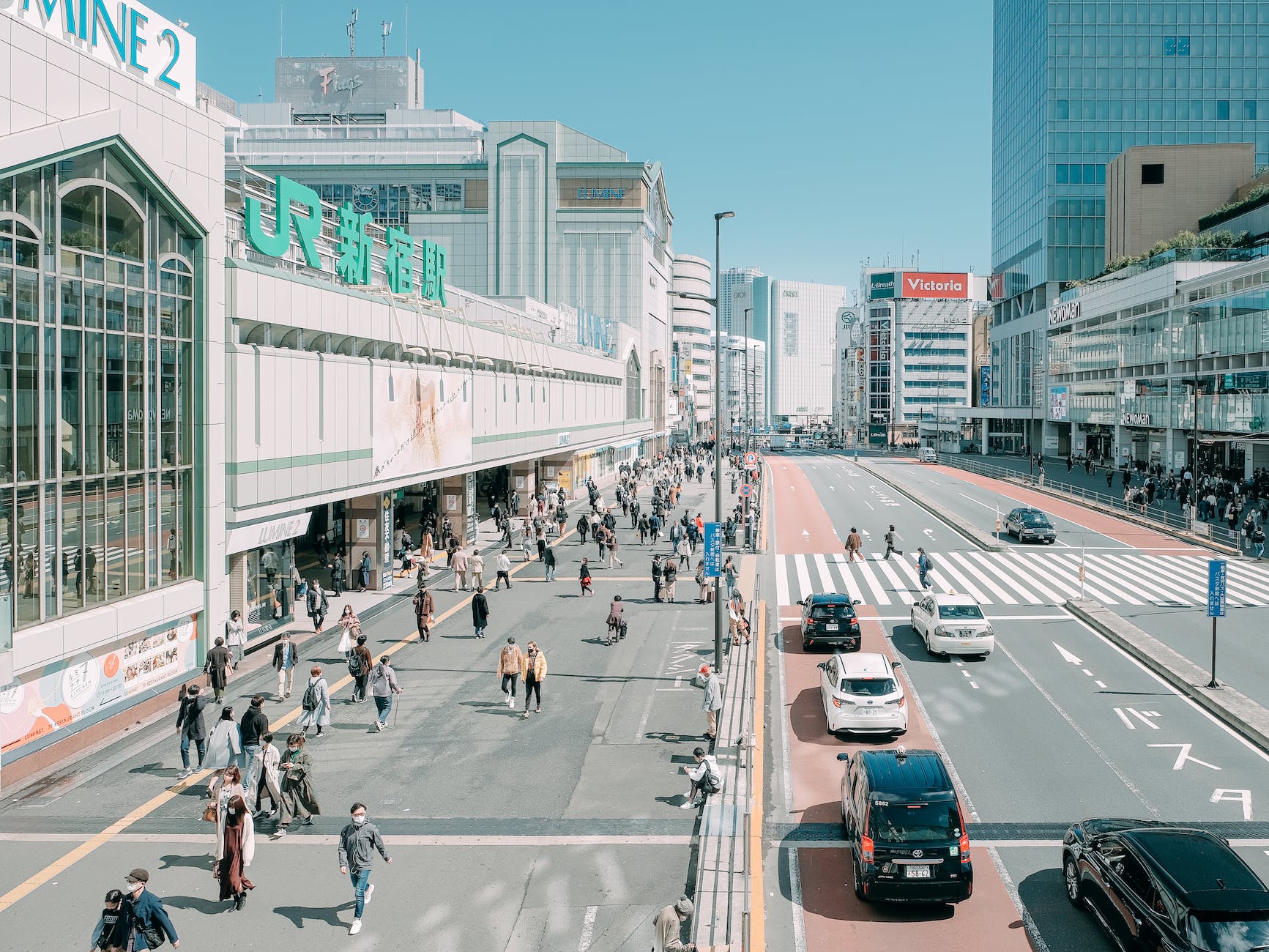
Now that I’ve been home for a week and have processed my trip (let alone get my sleep cycle back on track), I’ve been reflecting on how to best answer the usual question of “What was Okinawa like?” Since I did not luxuriate as a tourist in a hotel and stayed with my son and daughter-in-law in their apartment–which is more like a condo compared to American standards–I experienced Okinawa with deeper regard, especially since my son embraces his new life in Okinawa and hopes to stay on for awhile.
Notable Differences
Driving on left side of road--this I could not get used to at all. For one, I kept trying to get in on the right side of the car which is not the passenger side, but the driver’s side. This continually amused my son. My son is quite adept at navigating turns, traffic, and the tiny streets of Okinawa. I tried not to be the agitated passenger. I do believe I failed that aspiration.
Dawn–being a Westerner and having grown up around the ocean, watching the sun set on the horizon is never tiring, so watching the sun rise out of the ocean at dawn absolutely caught me by surprise–well, duh–it’s the far east, so of course the sun rises out of the ocean. It was magical, like a giant Georgia peach half levitating itself into the luminescent clouds. Or like watching a sunset in reverse.
Trash–Okinawa streets and public areas are practically trash free. There are no stray bits of paper skittering along the sidewalk, no plastic bags tangled in the grass, no overflowing garbage bins. The reason is there are no public waste cans. If you have garbage you take it home or deposit it in one of the numerous public restroom receptacles or at one of the many convenience stores. It seems to work well. Okinawa is refreshingly clean and tidy.
Heated Toilet Seats–it’s true. Even the public restrooms are equipped with this option. Some toilets offer numerous options including music, lights, or a bidet. Returning home to my winter homescape I do miss a warmed seat, especially at 3 a.m.
Recycling–it’s not an altruistic choice, it’s mandatory. Garbage is sorted into plastics (mainly beverage containers), burnables, aluminum, and glass. Trashbags must be clear and households are fined if sorting is not done correctly. It’s complicated and admirable, too. Oh, the garbage trucks are tiny, about the size of standard Suburban, and rely on workers jumping on and off the truck. These trucks play melodies. At first I thought there was an ice cream truck in the neighborhood.
PSA–everyday at 5 pm a happy little tune is played and a woman’s pleasant Japanese voice comes on for a few minutes. The message basically reminds all children of the 6 pm curfew, to get off the streets and go home. Amazing, right? How would that work in America?*
*while the curfew message is important, the system is also in place to ensure the public broadcasting system works in case of a PSA is needed (like a certain hostile country launching a “satellite” over Okinawa while I was there. Didn’t see that one in the news, did you?)
No Tipping–no kidding. Japan is a service-based culture and the idea of receiving extra money for providing what should be their best effort is frowned upon, although I did see a tip jar at the register of one restaurant situated in American City. This is probably to appease the Pavlovian response of American tourists when eating out.
No Junkers--again, so refreshing. Cars on the road are clean and in excellent condition. No dented, rusted, decrepit vehicles are evident. The cars are also tiny. My little Honda Civic would be considered mid-size, if not large, compared to the autos scurrying about on the roads. The only pickup trucks seen (only one) was owned by a Marine driving on base. My son said some guys ship their trucks over during their tour. It’s pricey, but hey, some guys just need their truck. The narrow roads aren’t very accommodating for large rigs, so good luck with that one, buddy.
Silver Citizens--it is not unusual to see Okinawa’s elderly still working. I saw them at the airport attaching baggage tags, at the commissary bagging groceries, and walking around on the sidewalks with their cloth shopping bags. No wonder the Japanese are noted for their longevity–the secret is remaining physically active with a purpose.
image: Japan Times
I can see why my son enjoys living in Okinawa. It’s clean, efficient, with a culture built on respect. I also love the expanse of ocean surrounding the island. A bonus is that I had no asthma issues or tinnitus during my two week stay. I also have an adorable granddaughter living in Okinawa. These are all inducements to move there, yes, I know. I briefly considered the invitation, but I would miss the trees (Okinawa is jungle, green, yet there is nothing like backyard forest with deer, squirrels, birds, and an occasional moose) and driving on the right side (the correct side?) is a must, and understanding the language is essential. Okinawa is definitely a nice place to visit and I am glad my son enjoys living there. I will return someday…
Lately I was relaxing in Greece after a quick trip to Spain. This was all done without suffering passport photo application and TSA hassles. Over the last year I’ve even been to visit some of the Italian wineries after a quick wink at the French Rivera. It didn’t matter that I hadn’t packed my bathing suit or that I can’t handle two drops of wine without getting dizzy. I like to travel. And I do so by staying cozy in my living room. I am a bigtime homebody but I am interested in what other countries are like. I make great use of our library’s travel videos and our current guide is nice guy Rick Steves, who is personable, fun, and easy to travel with.
I may never get around to traveling the world (although I did get to Europe when I turned 21–*ahem* a few years ago) I have enjoyed seeing the sights and should I dust off the passport I will know where to go, what to do, and how to do so on a retired teacher’s budget.
Others who live the adventuresome life by traveling all over the world definitely get my thumbs up (see Rick) and one special traveler, adventurer, and blogger is Lesley Carter who has the incredibly popular Bucket List Productions blog. She has been all over the world and has had some amazing adventures. I admire her pluck and I enjoy her blog and so I cast my vote for her as a contestant in the Biggest Baddest Bucket List Contest. Swing over and watch her video, get inspired, and give her a vote.
A picture of Matt Harding at Yoyogi Park in Shibuya, Tokyo, Japan. (Photo credit: Wikipedia)
Another person who inspires me is Matt Harding, who is a phenomena all in his own. Watch him dance all over the world and then check out his website. His story is just as amazing as his videos. I smile every time I watch one.
And no, his videos are not a hoax. Check out his hoax explanation–too funny.
For those of you, like me, who desire to travel the world from the comfort of your living room. Enjoy your travels with Rick, Lesley, and Matt. Pass the popcorn.
One goal this summer is to meander through the Advanced Placement books I inherited from former teachers and determine my own class reading list. Some books are friends (Hi, Jane, good to see ya) and others I am waiting for an unspecified time to introduce myself (Portrait of a Young Man). Length is a consideration at this point, meaning reasonable so I can get through as many as possible. Fortunately, there are many in that category and are waiting patiently for my in my book bag. I am concerned my students are going to be better read than I when it comes to the suggested AP reading list. Can’t have students being smarter than teacher, eh?
My list began with Room with a View. Though the book is not overpowering in length, I moseyed through it. Forster is not a dine and dash author; one must read and relish. Vocabulary, writing style (that omniscient narrator is a little cumbersome at times), and pacing are all considerations. These are not insurmountable problems. My real problem was how Helena Bonham-Carter’s face kept popping up during my reading. This stems from having watched the Bonham-Carter adaptation ever so long ago and her white linen suit and expressive face would hover at the edges of the novel. It wasn’t terribly disconcerting, although it makes it difficult for a clean read,*
Having finished the book, I have decided it’s a definite keeper, and to interest my students in reading it I’ve pulled some snippets to share with them.
Mr. Beebe was right. Lucy never knew her desires so clearly as after music. She had not really appreciated the clergyman’s wit, nor the suggestive twitterings of Miss Alan. Conversation was tedious; she wanted something big, and she believed that it would have come to her on the wind-swept platform of an electric tram.
Why were most big things unladylike? Charlotte had once explained to her why. It was not that ladies were inferior to men; it was that they were different. Their mission was to inspire others to achievement rather than to achieve themselves. Indirectly, by means of tact and a spotless name, a lady could accomplish much. But if she rushed into the fray herself she would be first censured, then despised, and finally ignored. Poems had been written to illustrate this point.
These passages spotlight why Room With A View is a TBR (to be read.) Forster underscores Lucy’s quest for what makes herself tick, and she wants to do it on her own. She is tired of others telling her what to say, what to think, and how to act, for it has numbed her creative aspirations to do for herself. The only time she feels moved out of this numbness is after playing music. Music becomes a catalyst to opening up her emotional pores, so to speak. The music stirs a yearning within, although she is not quite sure of what, but she does know it involves moving from where she is, hence, the train metaphor.
After my booktalk on RWAV I will end with a clincher as to why they should select it for their TBR list: And is Lucy’s predicament of finding herself so different your own desire to break free and become your own person? (So, try it, you’ll like it).
If the selected passages don’t tempt my students I intend on nudging their interest through sex and violence, which are spices few resist, especially among youth.
Throughout the book Lucy experiences life by increments and when she tries to rush into larger experiences, the results are tragically unexpected. About on her own she witnesses a murder in the public square and that incident is the catalyst for other events. Having been protected from the baser aspects of life, Lucy does not know how to acknowledge this unexpected violence. Nothing like an old-fashioned impassioned stabbing to open the eyes that life is not all lace and crumpets. She is rescued by George.
In chapter six we find Lucy is unsure what to do about the attentions of George Emerson:
In an open manner he had shown that he wished to continue their intimacy. She had refused, not because she disliked him, but because she did not know what had happened, and suspected that he did know. And this frightened her.
Lucy refers not to the incident when George in an impetuous moment kissed her, rather she refers to how he came to her aid after she had witnessed the street murder. To talk of death, seemingly creates more intimacy than sharing life through a kiss. Neither event had she partaken prior to coming to Italy, and both significant events are shared with George. No wonder the poor girl is not ready to continue on—she must be thinking whatever is the next step, and that is the page-turning question: How awakened is Lucy going to become? And will it be with George?
Lucy Honeychurch—I believe we all have a bit of Lucy within us, and it doesn’t necessarily take an Italy to find ourselves, but I hope we all have a George in our lives, someone who prevents us from making a costly mistake, and someone who helps us realize how alive we really are.
After the book I sought out the movie versions. Helena, not being available, I checked out the Masterpiece Theater version. Andrew Davies is masterful at sifting through the dross to pull out the shiny bits of a novel. Sadly, I was none too happy with Mr. Davies in how he ended the MT version. Major spoiler if I continue. Excuse me while I go out to find if Helena is still busy.
*reading the book FIRST and then watching the movie in order to form my own visuals of characters, etc.