
How Cliché: Oh “K”
handle with kid gloves: to treat very gently. Dating back to the nineteenth century this term refers to gloves made from young goats, known as kidskin. These gloves were considered fine wear and the wearer needed to treat them with care.

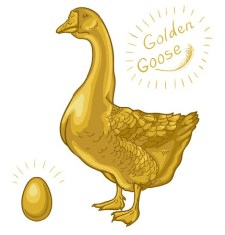
Kill the goose that lays the golden eggs: destroy a source of wealth through neglect. In one of Aesop’s fables a greedy farmer owns a fabulous goose that lays golden eggs. Wanting as many eggs as possible he believed that all the eggs were inside the goose. Killing the goose did not provide the eggs–he only gained a dinner entrée.
Kill two birds with one stone: to achieve two goals with a single effort. The saying goes back to Roman times when a person would be commended for killing two birds with a single rock. The saying was also traced to the 1600s when a writer by the name of Hobbes wrote, “”T.H. thinks to kill two birds with one stone, and satisfy two arguments with one answer.”

Kill with kindness: to overwhelm someone with goodness. The original saying is thought to be, “to kill with kindness as fond apes do their young” is alluding to how an ape might squeeze its young in a smothering embrace of love. The saying moved forward in the sixteenth century and was used by Byron who said, “Don’t let them kill you with claret and kindness.”
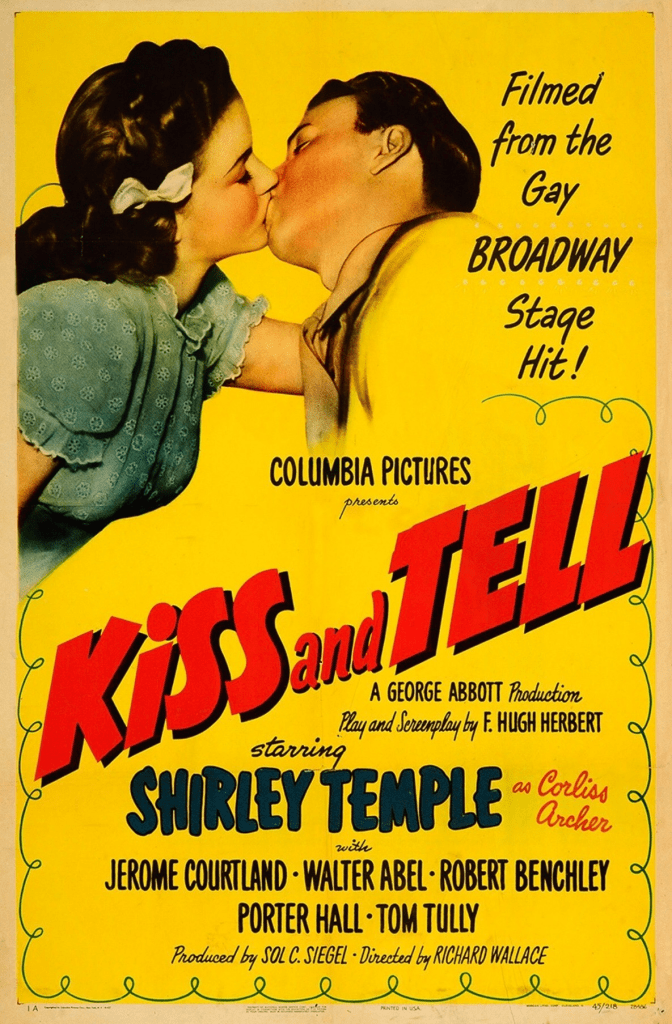
Kiss and tell: to betray a secret. Restoration England’s Charles Cotton is credited with saying, “And if he needs must kiss and tell, I’ll kick him headlong into Hell.” The expression has been used often in both literature and films, and even in everyday life.
The whole kit and caboodle: all of it. The word “caboodle” is thought to be related to the Dutch word “boedel” which means “household goods and possessions.” And “kit” means personal belongings. However, the Oxford English Dictionary says caboodle is an incorrect version of “kit and boodle.” Whatever it means, if someone says “grab your kit and caboodle” just grab your stuff and get going.

Knight in shining armor: someone who is a rescuer. Dashing knights. Chivalry. Rescuing damsels. That’s what the expression brings to mind, right? That is the literal sense, probably dating from the sixteenth century. The figurative sense is about finding “Mr. Right,” that standout guy that fits a girl’s dream of her hero. Is the saying still being used?

Knock someone down with a feather: to overcome a person with surprise. This goes back to the nineteenth century and appeared in print in Wiliam Cobbett’s Rural Rides “You might have knocked me down with a feather.”

Knock on wood: a means of avoiding bad luck. In Great Britain touching wood is based on a superstition based on the saying “touch wood, it’s sure to come good.”
BONUS:

To knuckle under: relenting under pressure. There are different thoughts on this one. It might stem from knocking under the table when someone has lost an argument. “Knuckles” also refers to the end of any bone at the end of a joint. “To knuckle” originally meant “to bend down” or “stoop” and was related to the phrase “to comply with” or “submit to.” So–either a person literally raps their bones in defeat or figuratively bends down in defeat.
That ends the “k” clichés. Did I miss any?



 Pam Webb
1. knee-jerk reaction
2. knuckle sandwich
3. keep the ball rolling
4. knock yourself out
Definite contenders. Oddly, these weren’t included in the cliché dictionary.
What about “Kick the bucket”?
Did I forget to reply?
I don’t know. Did you? 😂
I typed it out and forgot to send it! The bucket explanation related to death and I wanted to keep the post upbeat.