
How Cliché: keepsakes
Moving into the “k” section it is surprising how many clichés begin with “keep.” Here are ten of the top keepsakes of that section:
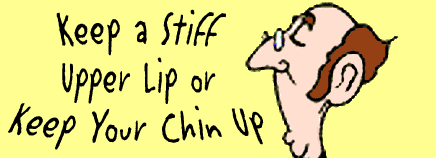
Keep a stiff upper lip: don’t show your true feelings. Oddly I tend to think of this being of British origin as it is uttered often enough in literature and films, especially in WWII period dramas. However, the book indicates it from early 1800s America, referring to not allowing the upper lip to tremble, an indication tears are about to fall. In actuality it is the bottom lip that usually does the trembling prior to crying.
Keep your chin up: don’t lose heart or courage. A well-established cliché since at least 1840, the original body part and due to its slang connotations was exchanged for chin to emphasize keeping one’s head up in adversity instead of other misconstrued meanings.
Keep a straight face: look appropriately serious for the occasion. Derived possibly from Henry Miller’s 1953 Plexus where a character states: “All felt called upon to do was keep a straight face and pretend everything was [all right].
Keep at arm’s length: to keep someone or something at a distance. A long time expression harking back to the sixteenth century when it began as keeping “at arm’s end” which then became “at arm’s length.”
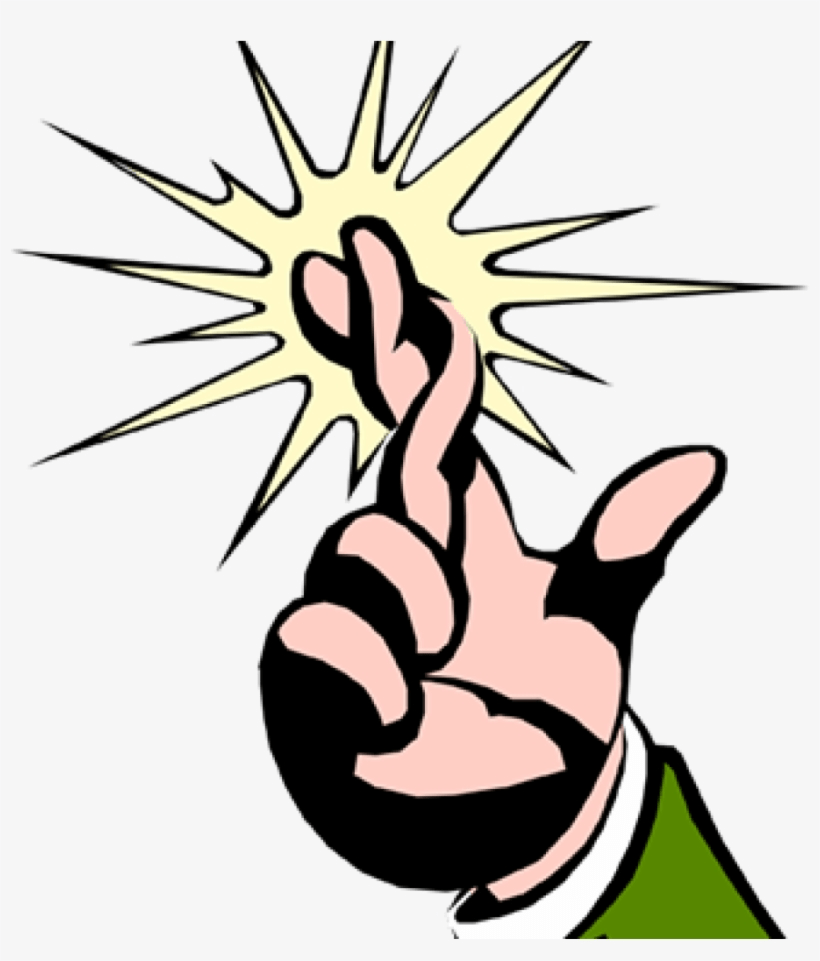
Keep your fingers crossed: hoping for the best outcome. An ancient belief of making the cross with avert harsh outcomes. It can also mean to keep from telling a lie, as in “xing” out the deed or what was said, a transfer from children’s games.
Keep under your hat: hiding a secret. In the old days, when hats were more predominantly worn, keeping items under one’s hat could be handy since it was hidden. A song from the 1920s sings out: “Keep it under your hat!” You must agree to do that. Promise not to breathe a word.”
Keeping up with the Joneses: living beyond one’s means. A cartoonist, Arthur R. Momand used the term in one of his cartoon titles as a reflection of living on a tight budget in an upscale New York suburb. While his cartoons may not be remembered the expression lives on.
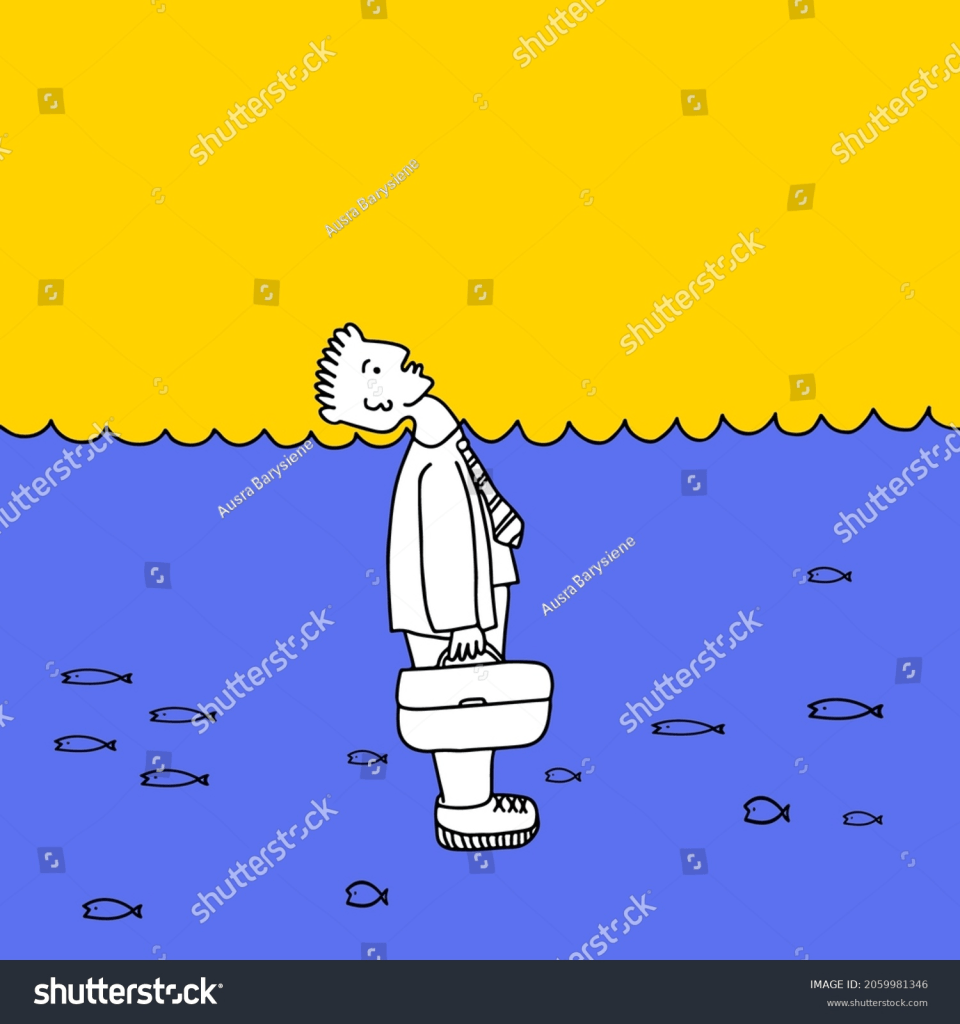
Keep one’s head above water: to avoid being overwhelmed. Going back to the eighteenth century writer John Arbuthnot wrote in the 1712 John Bull: “I have almost drowned myself to keep his head above water.”
Keep your eyes peeled: have your eyes wide open. A reference from as early as the 1840s when people were on the lookout for possible hazards, as in pioneers being watchful for trouble while scouting out in the woods.
Keep your shirt on: don’t get upset. A nineteenth century American expression relating to the men removing their shirts before getting into a fistfight. It has since come to mean to not lose one’s patience.
Which of these clichés do you keep on hand?



 Pam Webb